Also known as:
Sisserou, August Amazon (Parrot), Dominican Amazon (Parrot)
Also known as:
Sisserou, August Amazon (Parrot), Dominican Amazon (Parrot)

Amazona

imperialis
Size:
48 cm (18.7 in)
Weight:
900 g (31.5 oz) – males; 650 g (22.75 oz) – females
Subspecies including nominate:
one
Colour Adult:
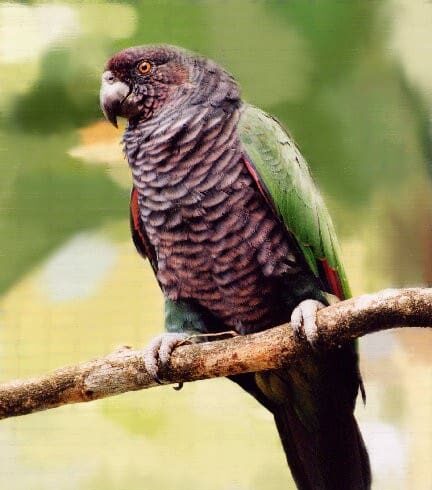
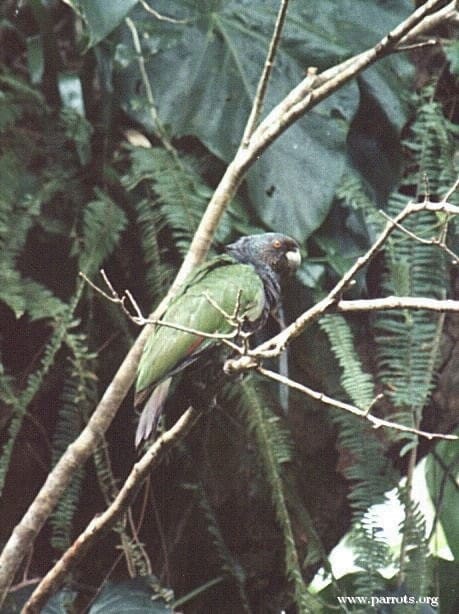
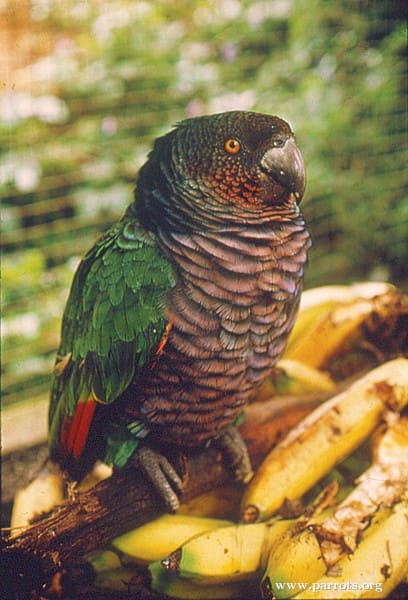
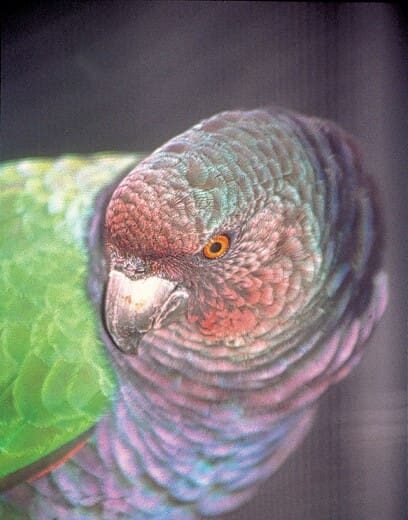
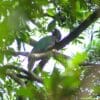
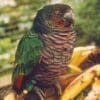
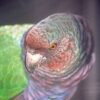
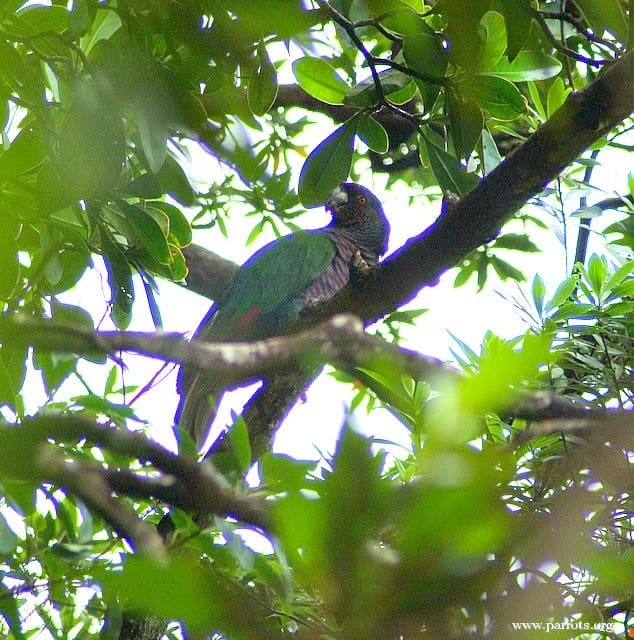
Both adults brown/purple forehead and lores, becoming browner on cheeks to ear coverts; burgundy/maroon crown and neck, washed with green/blue, the feathers edged with black; breast and abdomen dark lilac/purple, the feathers edged dusty black; olive/green lower underparts, feathers tipped green/blue; upperparts dark green, feathers edged black; secondary feathers 1-3 dark burgundy at bases, the remaining secondaries green; red carpal edge; tail red/brown. Beak grey/horn. Eye-ring grey/brown, eye orange/red.
Colour Juvenile:
As in adult but duller; face dull red/brown; occiput to hindneck green; area behind cheeks tinged with green. Eye brown.
Call:
Wide variety of calls including whistles, shrieks and squawks. Often loud, but also can be squeaky.
More Information:
Content Sources:
CITES
Avibase
BirdLife International
Cornell Lab of Ornithology/Birds of the World
A Guide to Parrots of the World, Juniper and Parr, 1998
Parrots of the World, Forshaw and Cooper, 1989. 2010 edition
Parrots of the World, Forshaw, 2006.
Captive Status:
Extremely rare
Longevity:
50-60 yrs
Housing:
Outside flight if possible – 10 x 3 x 2.5 m (32.8 x 9.8 x 8.2 ft); inside enclosure 3 x 3 x 2.5 m (9.8 x 9.8 x 8.2 ft). Metal construction necessary.
Diet:
Not recorded but assumed to be mainly the same as other Amazon parrots with care not to feed high fat diet: fruit such as: apple, pear, orange, cactus fruit, pomegranate, forming about 30 % of diet; vegetables such as: carrot, celery, green peas and beans; green leaves such as: Swiss chard, kale, dandelion, chickweed; fresh corn; spray millet, small seed mixture (lower fat, limited sunflower); peanuts occasionally; complete kibble.
Enrichment:
Provide lots of chew and forage items – bird-safe wood such as fir, pine, elder or willow, wood block toys vegetable tanned leather toys, heat sterilised pine cones; also enjoys bathing so provide overhead misters or shallow water bowls.
Nest Box Size:
Nest box 14″ x 14″ x 48″ (35.5 cm x 35.5 cm x 122 cm).
Clutch Size:
2
Fledging Age:
—
Hatch Weight:
—
Peak Weight:
—
Weaning Weight:
—
World Population:
About 50 mature individuals, decreasing.
IUCN Red List Status:
Critically Endangered
CITES Listing:
Appendix I
Threat Summary:
BirdLife ‘restricted-range’ species. Beginning around 1880, the species declined rapidly because of trapping, hunting and habitat loss. After some recovery, since 1979 hurricanes, most recently Maria, have dropped the population to an all-time low. These extreme events lead to widespread habitat destruction and direct mortality. As of 2018, about 20 birds have been sighted after back-to-back hurricanes in 2017, with a possible 10-15 more noted via their calls.
Range:
Mountain valleys of Dominica (Lesser Antilles), Â chiefly in Morne Diablotin area but also in Northern and Central Forest Reserves, and has recently re-established a small population in Morne Trois Pitons National Park.
Habitat:
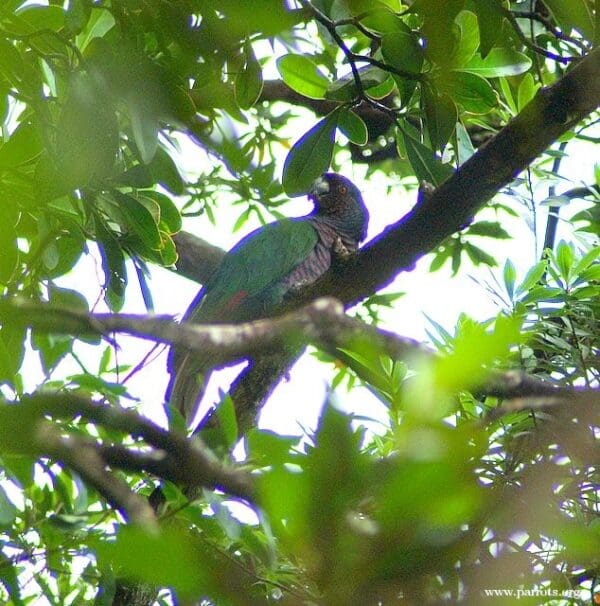
Occurs in the canopy of primary mountain rainforest; occurs at 600-1300 m (1968-4264 ft) but descends in response to food shortages following hurricanes or to foraging preferences.
Wild Diet:
Flowers, fruits, nuts and young shoots of many trees, including Dacryodes, Licania, Richeria, Amanoa, Simarouba, Symphonia, Pouteria, Tapura and Clusia. Following hurricanes, was observed feeding on fallen grapefruit and guava, presumably due to a severe lack of fruit on live trees.
Ecology and Behaviour:
Communal roosts; feeds morning and evening; probably defends nesting territory year round.
Clutch and Egg Size:
2 eggs, 45 x 40 mm (1.7 x 1.6 in).
Breeding Season:
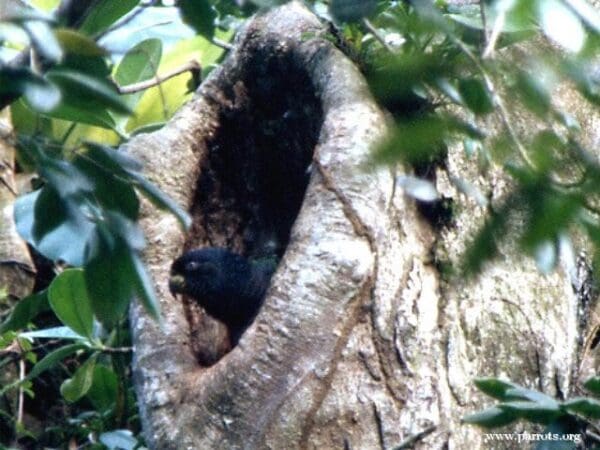
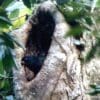
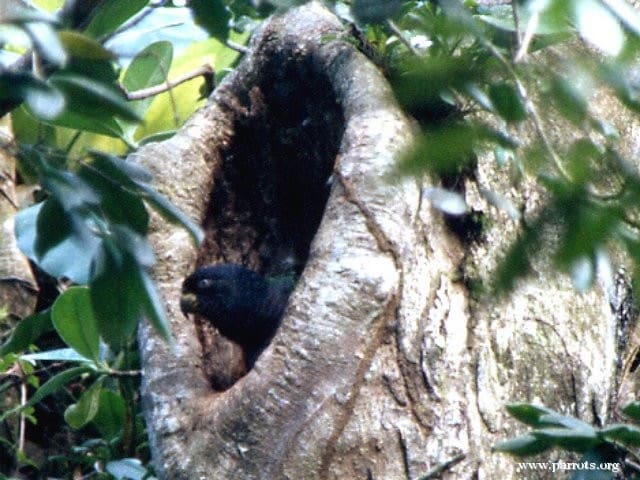
February-June. Nest is in cavity in tree, notably Dacryodes excelsa and Sloanea berteriana.