LEARN

Yellow-shouldered Amazon

( Amazona barbadensis )

Also known as:
Yellow-winged Amazon (Parrot), Yellow-shouldered Parrot

Also known as:
Yellow-winged Amazon (Parrot), Yellow-shouldered Parrot

Geography:

DID YOU KNOW?

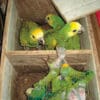
As juveniles, Yellow-shouldered Amazons may be kept in colonies, but must be separated into pairs once older due to their aggressiveness.

<p><em>Amazona</em></p>
Genus:

Amazona

<p><em>barbadensis</em></p>
Species:

barbadensis

Size:

33 cm (12.8 in)

Weight:

270 g (9.4 oz)

Subspecies including nominate:

one

Colour Adult:

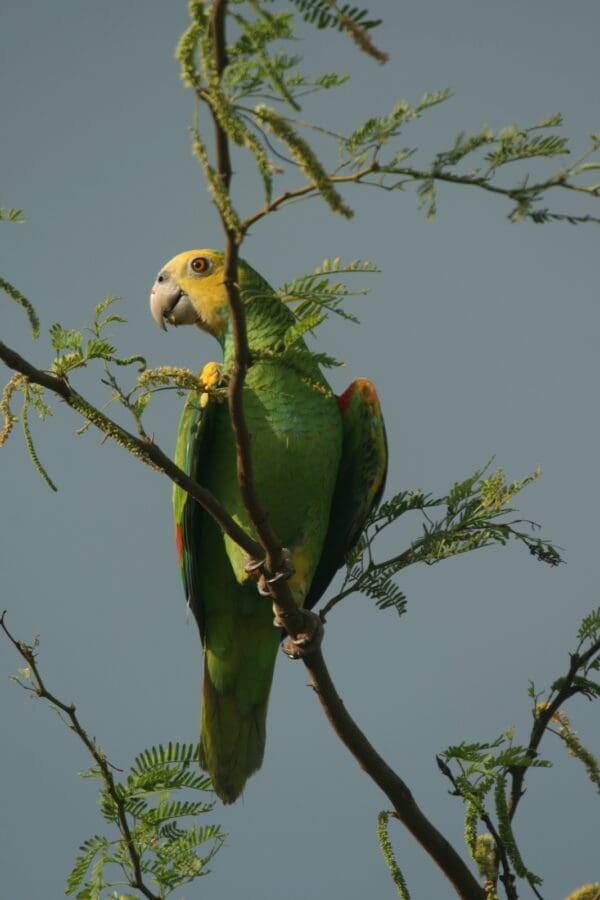
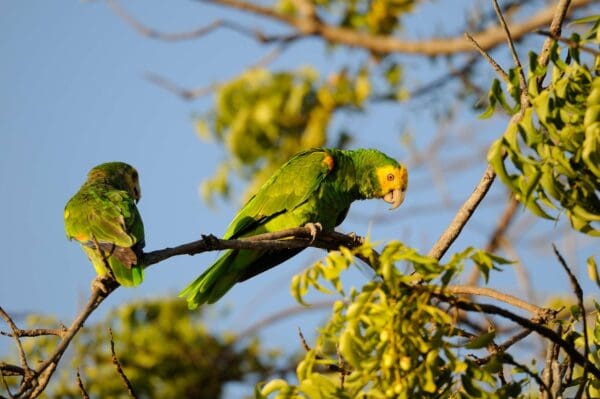
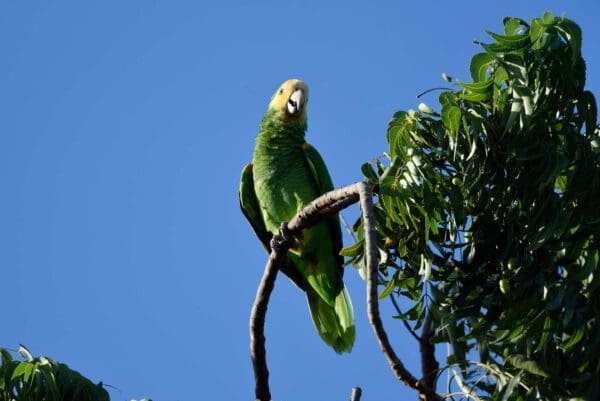
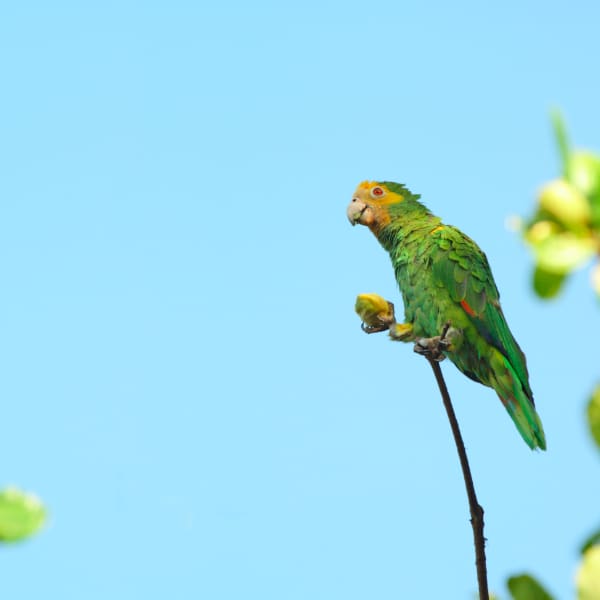
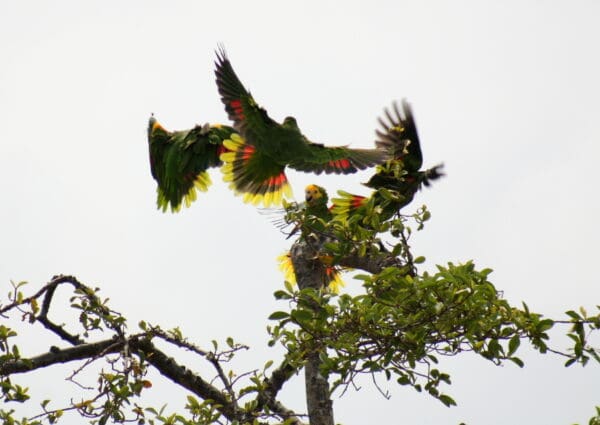
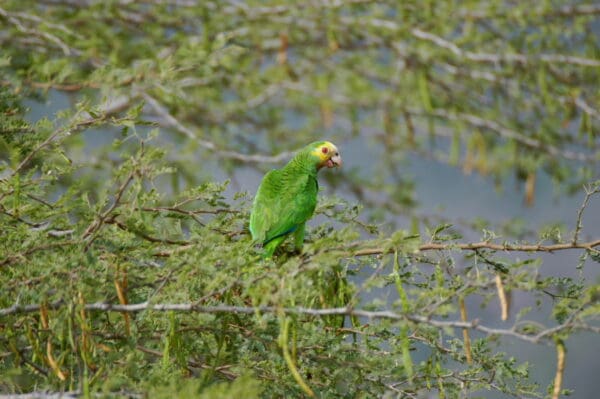
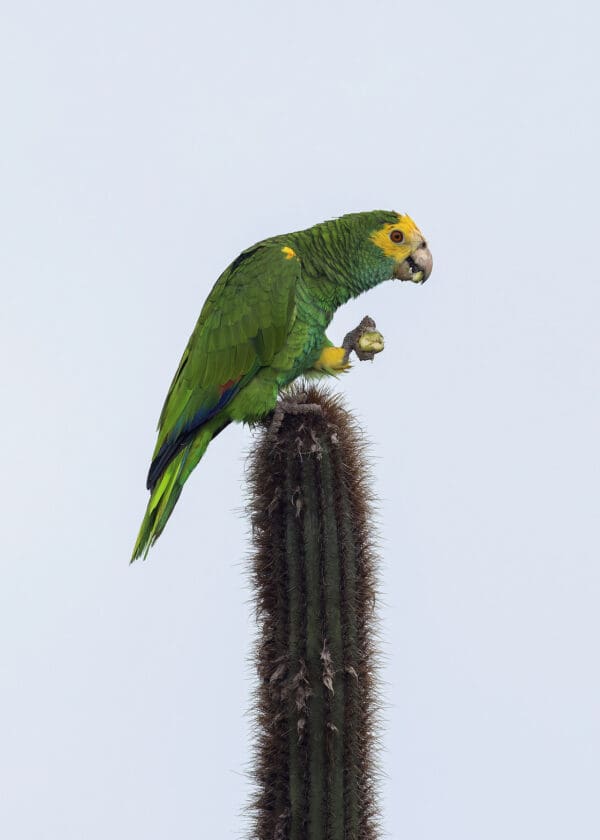
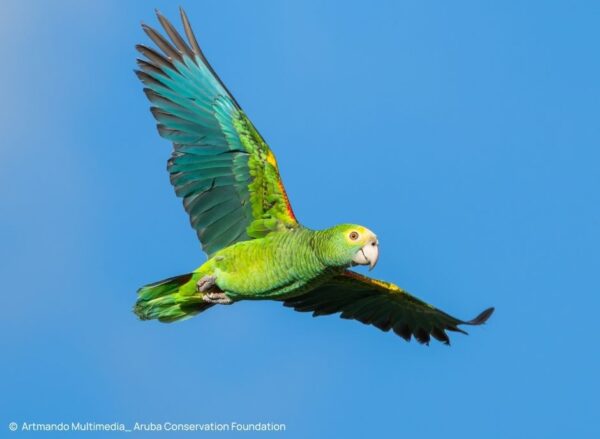
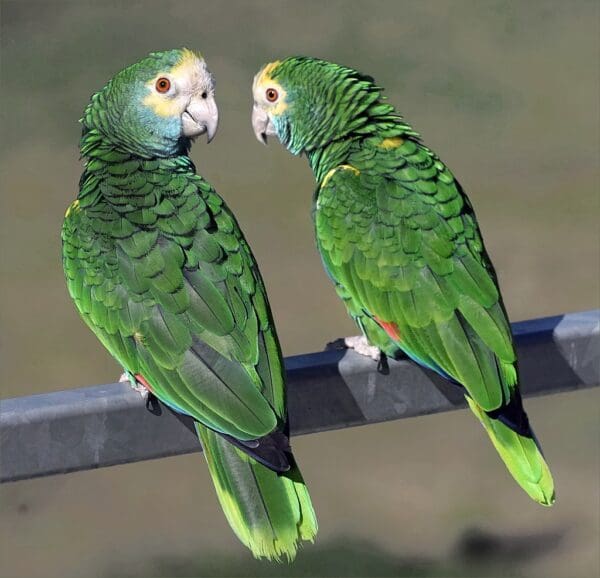
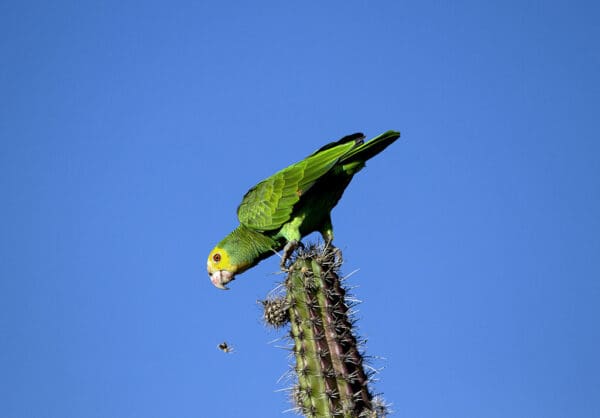
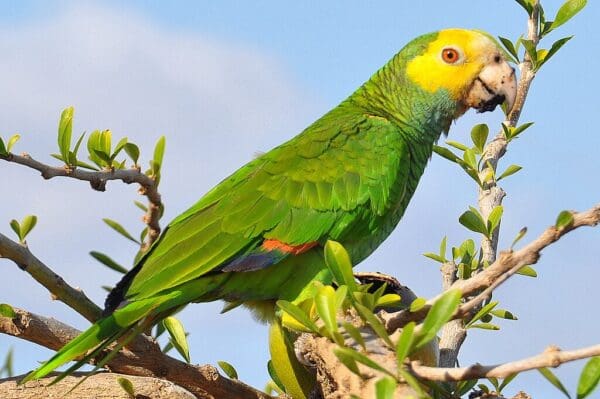
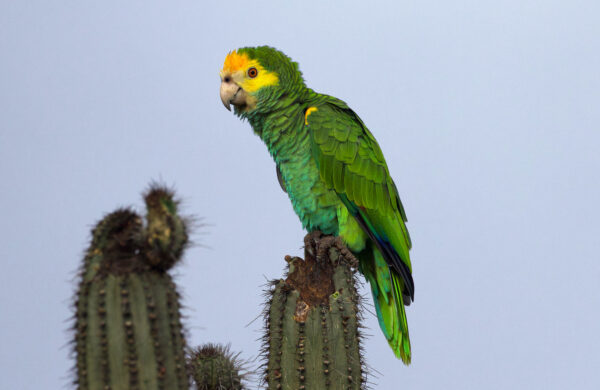
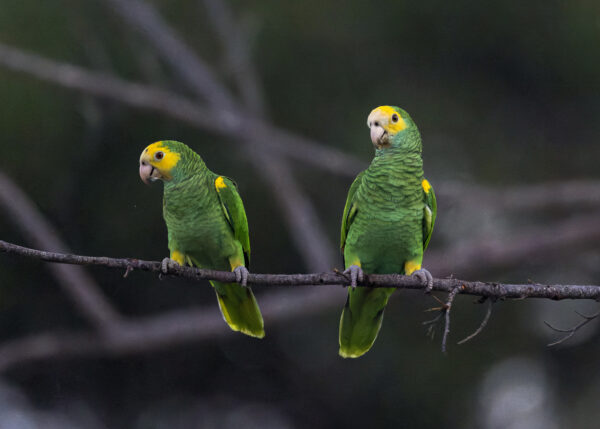
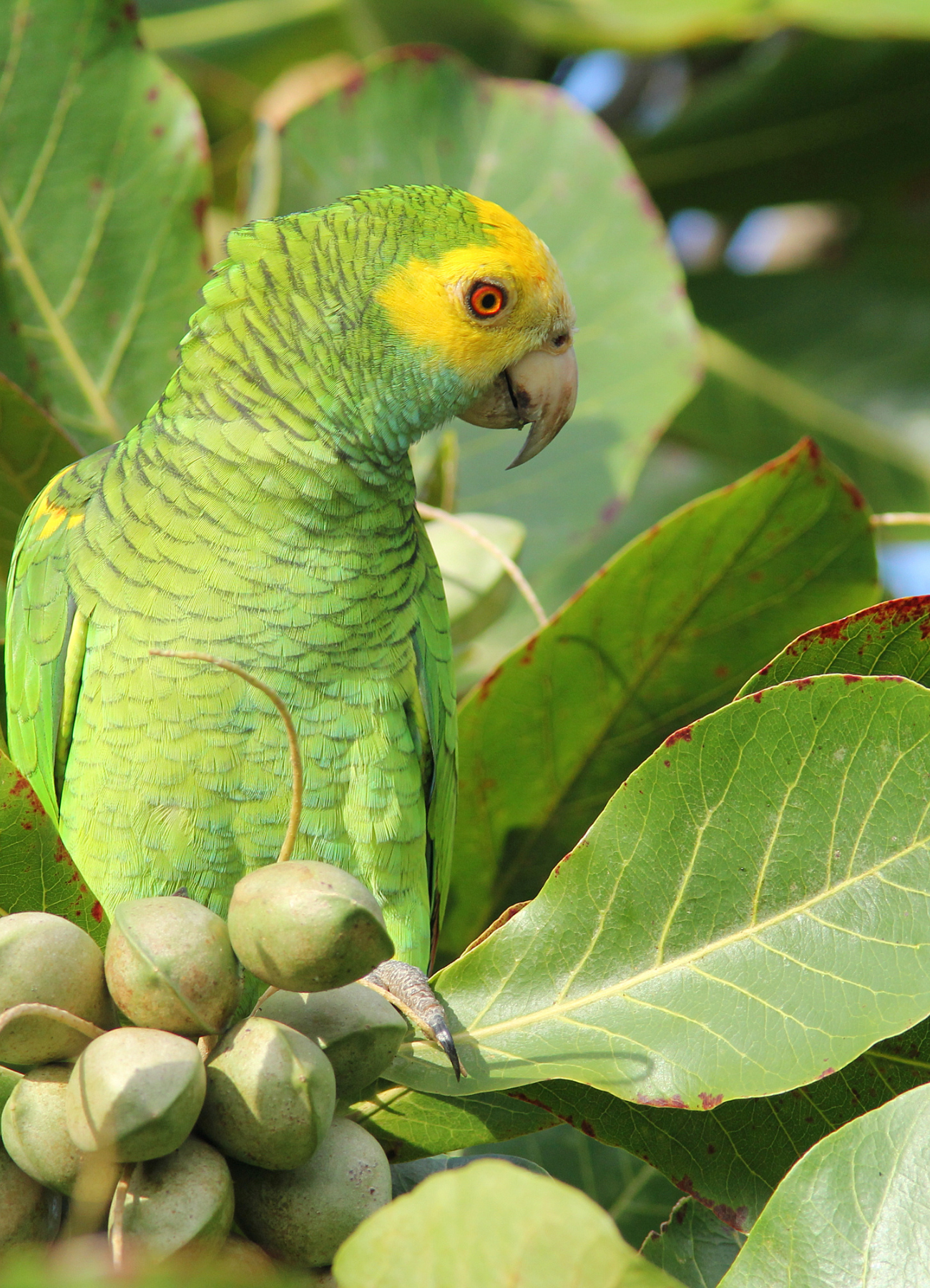
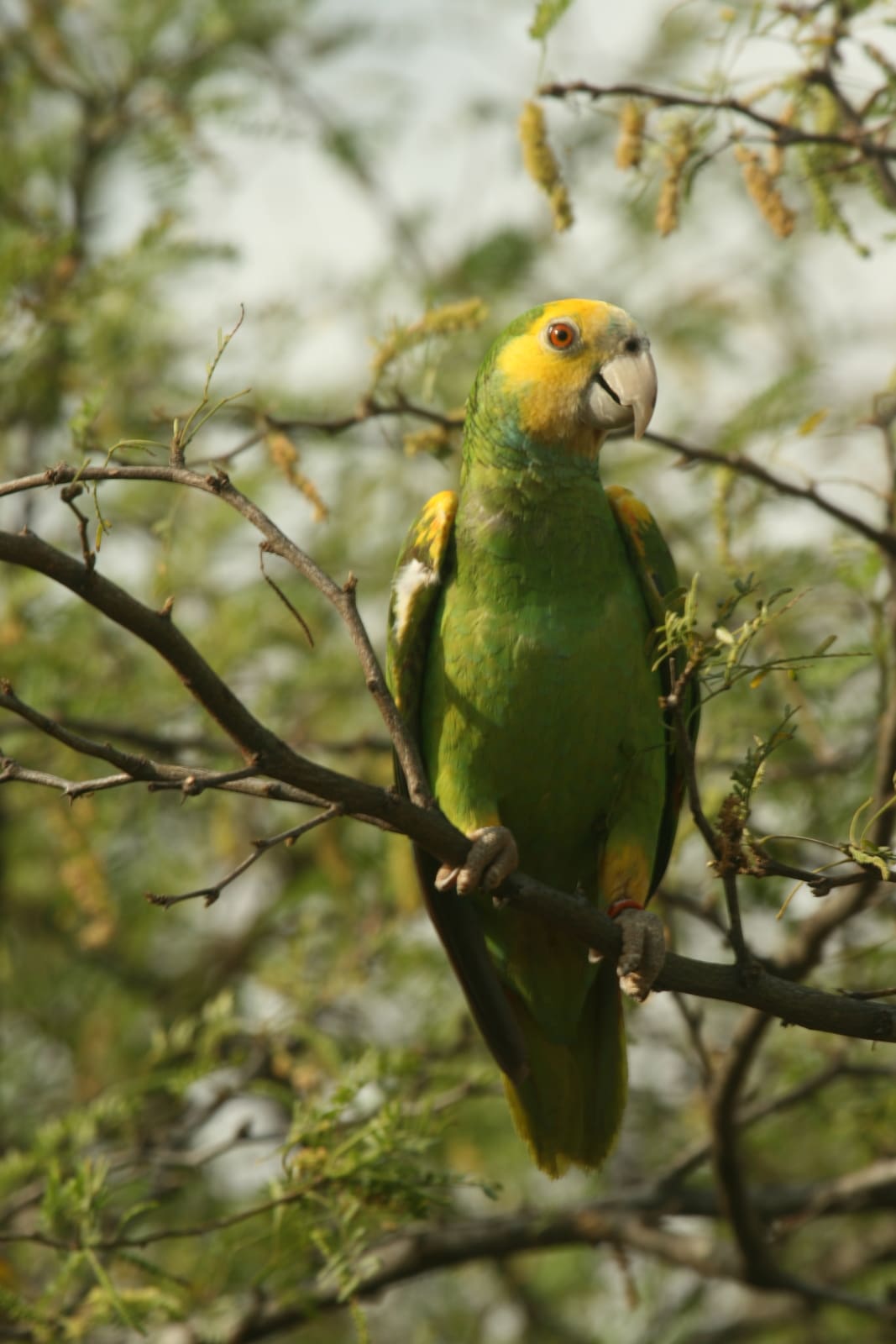
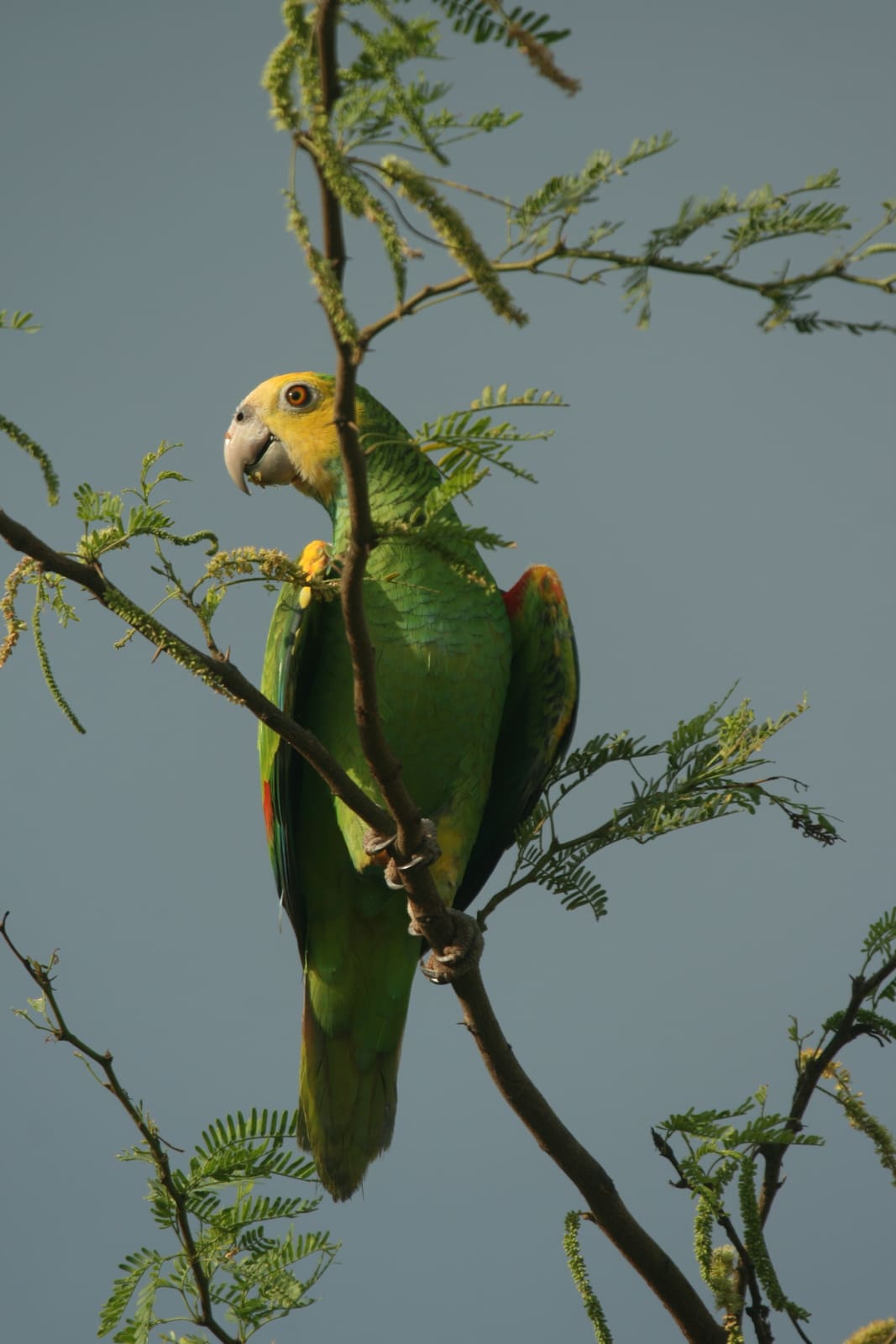
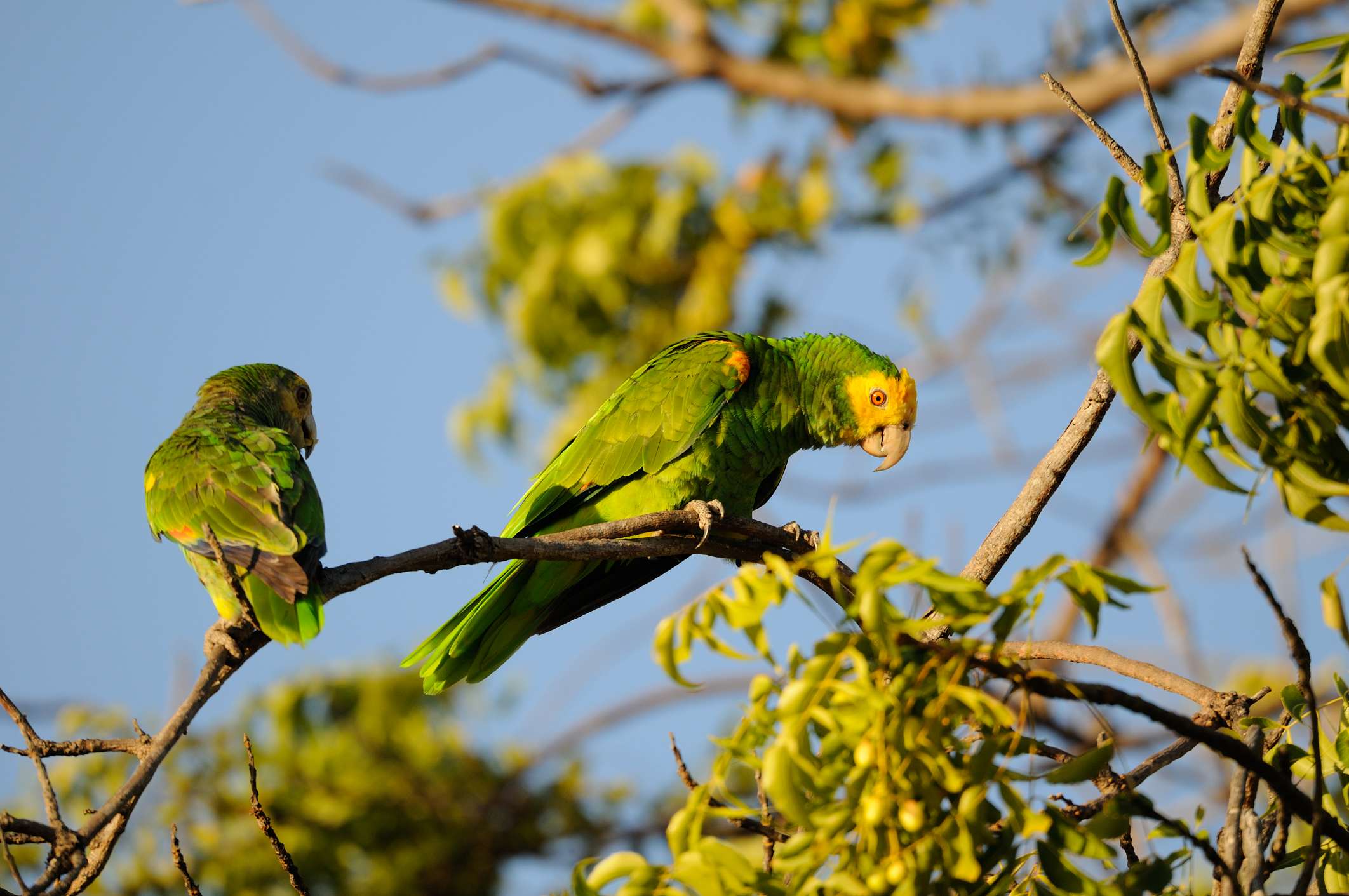
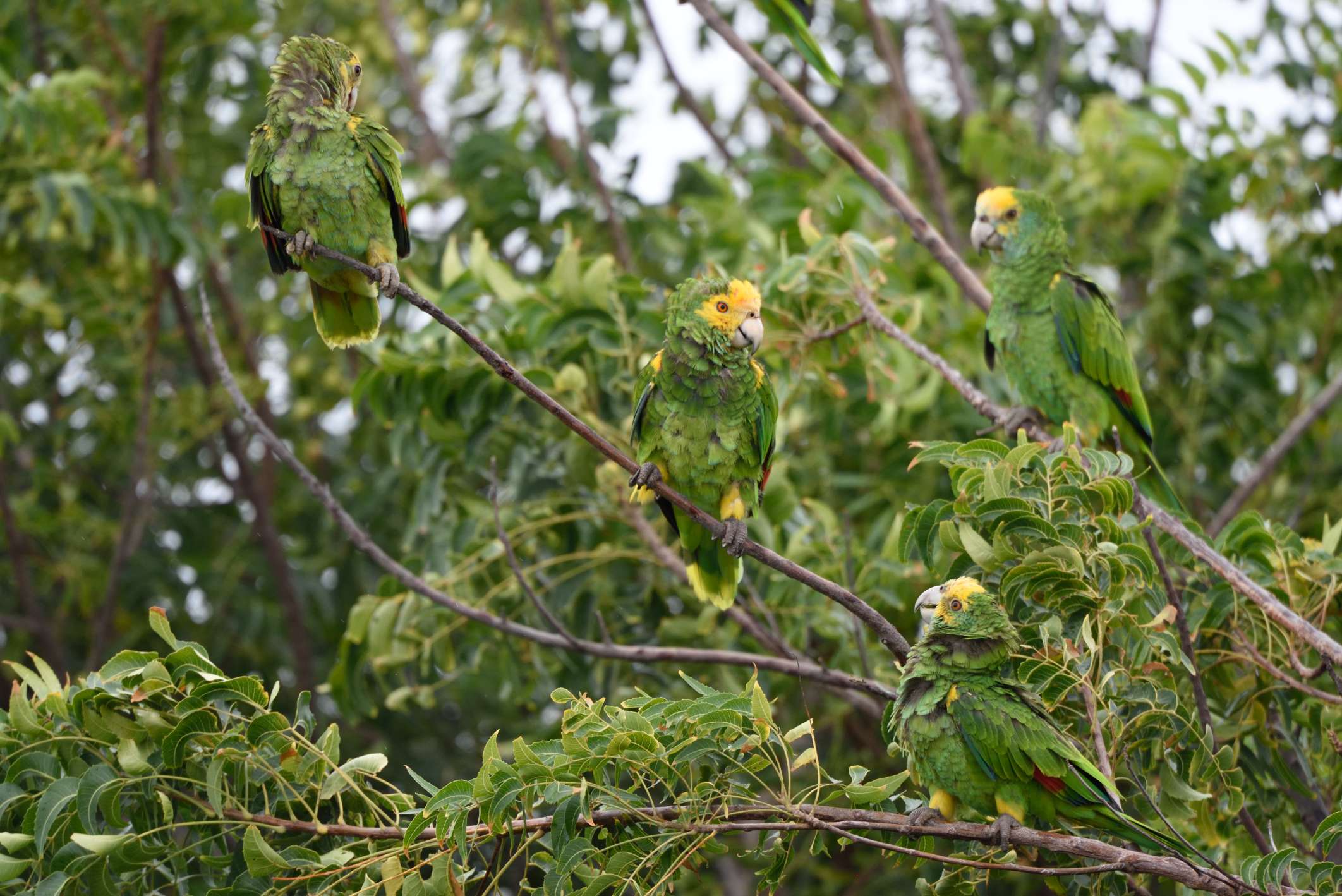
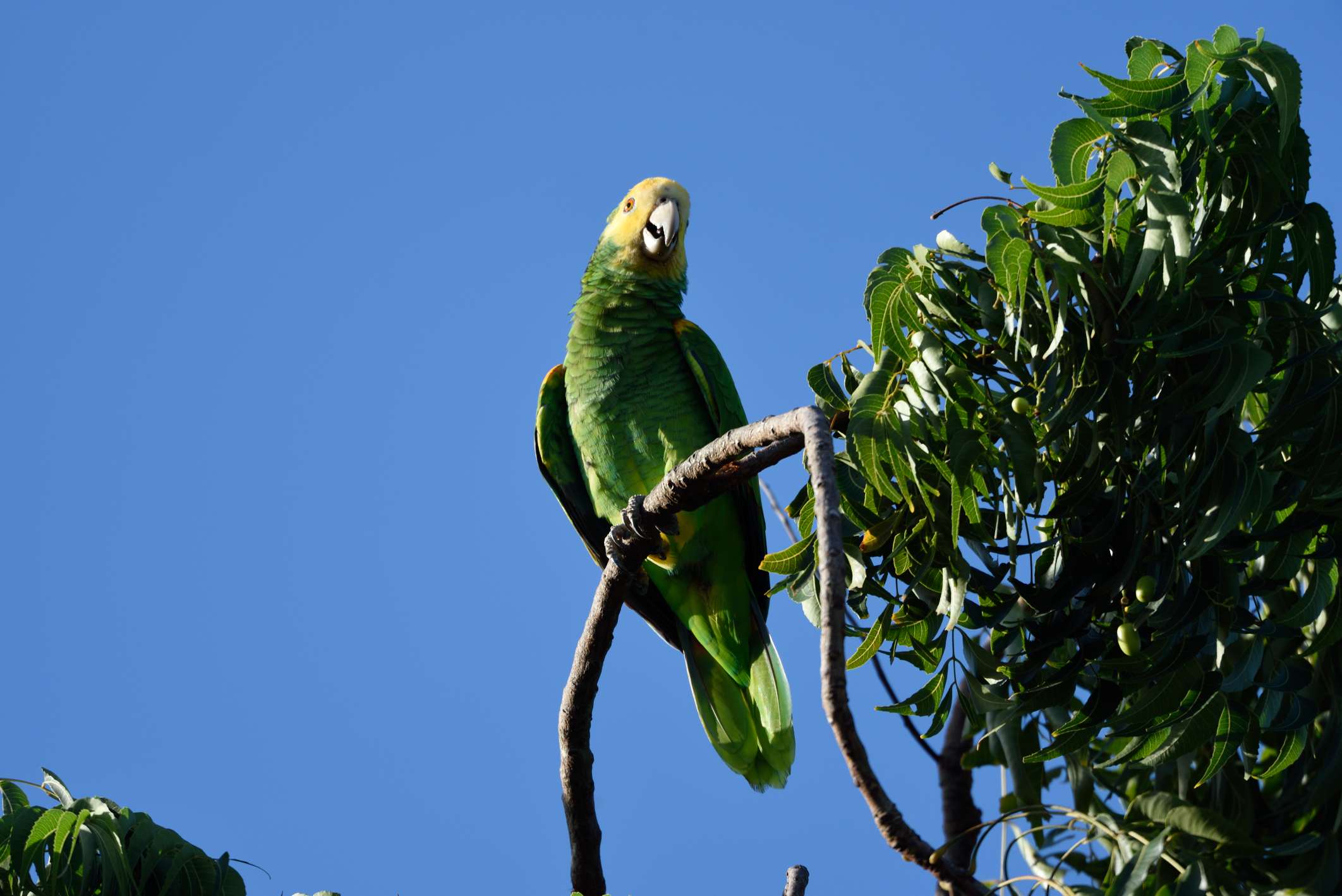
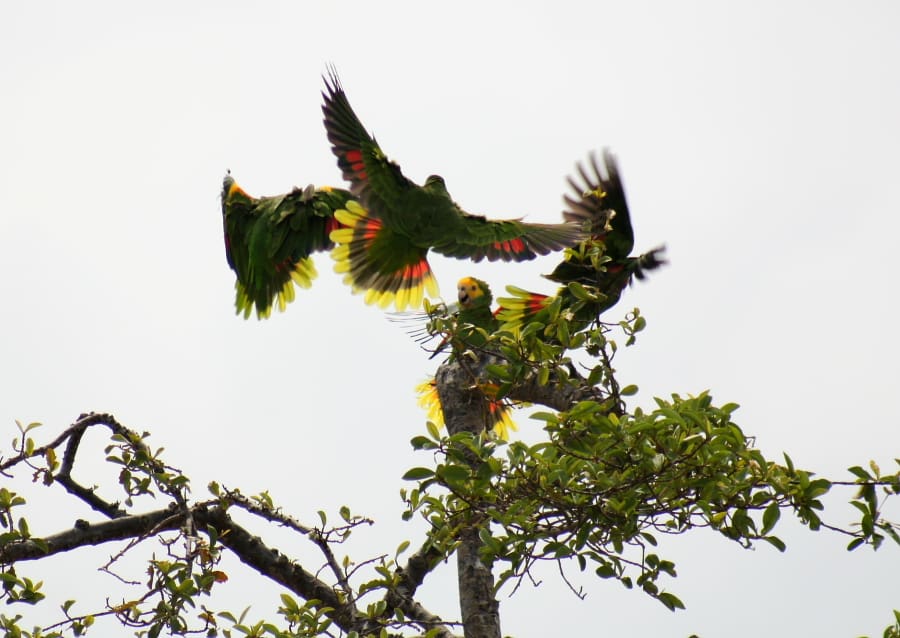
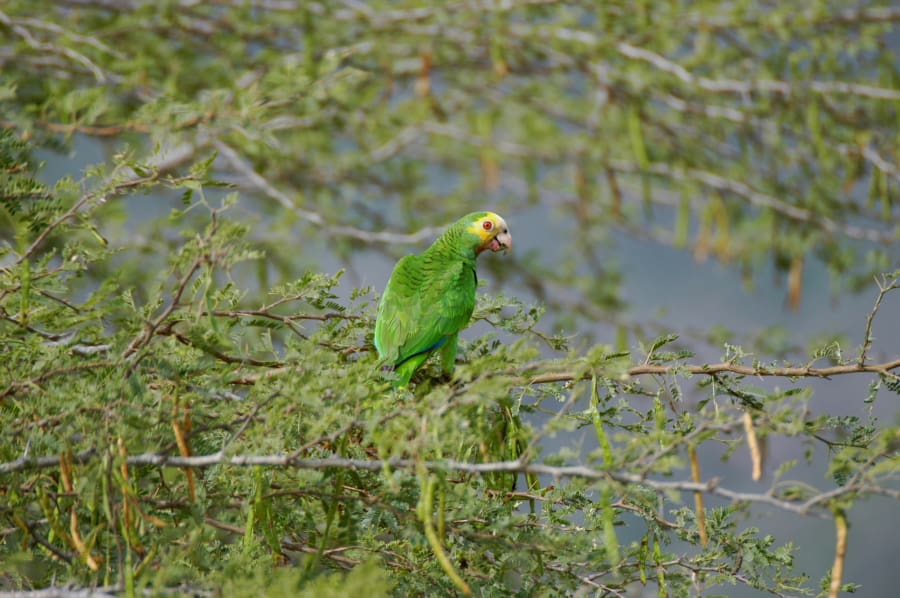
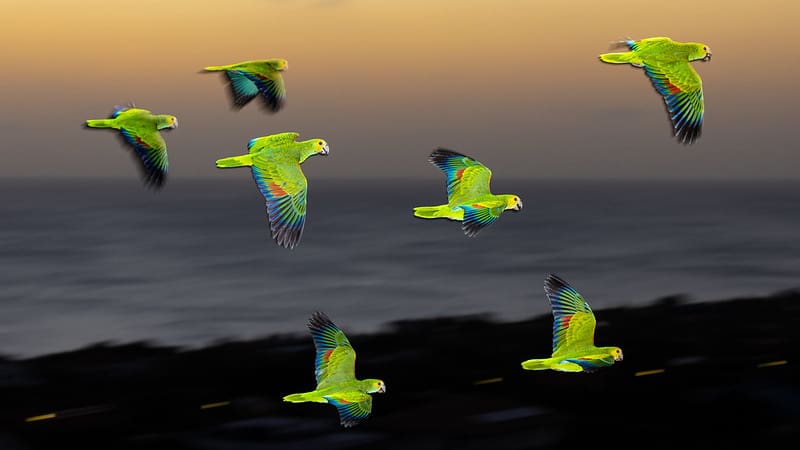
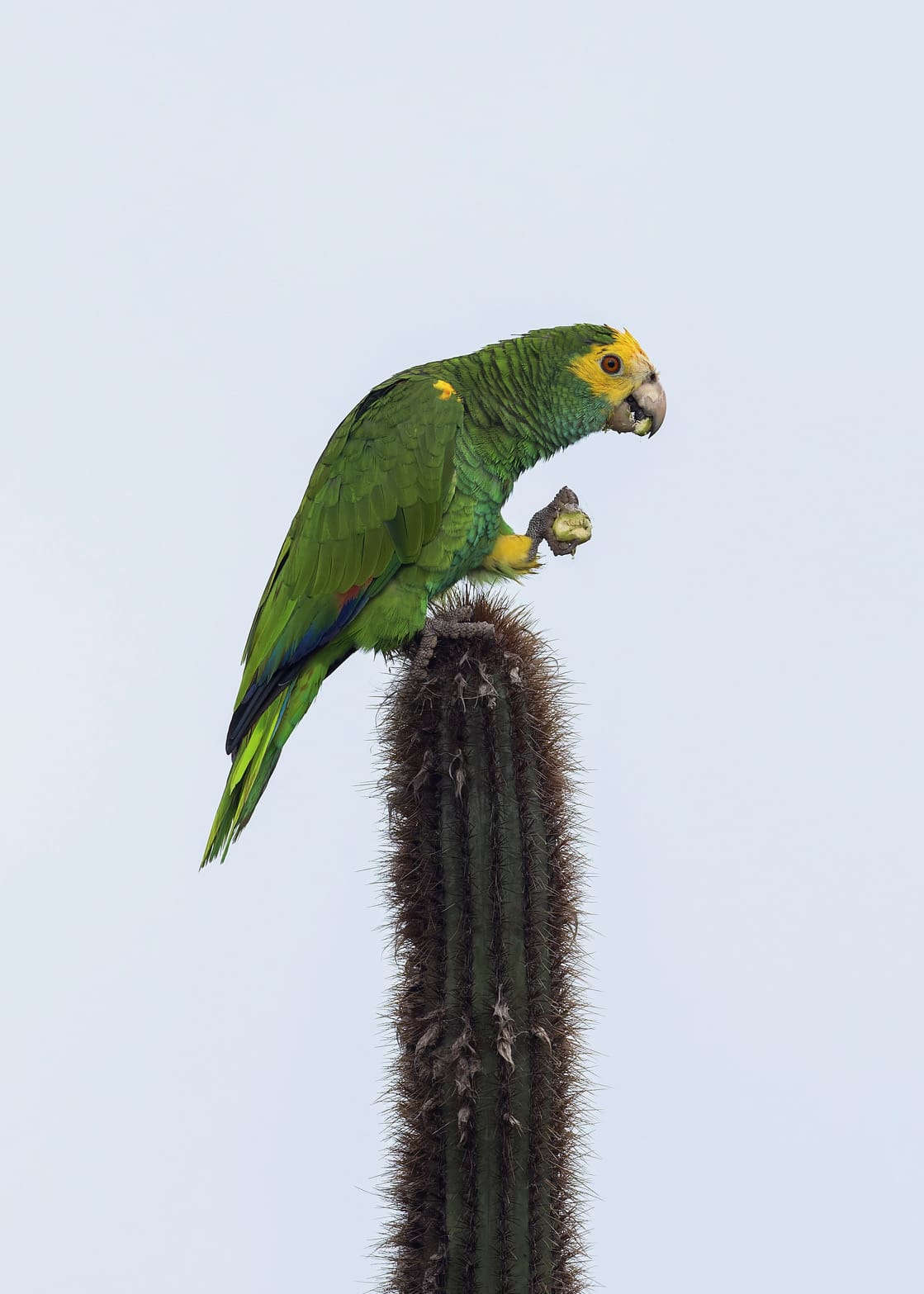
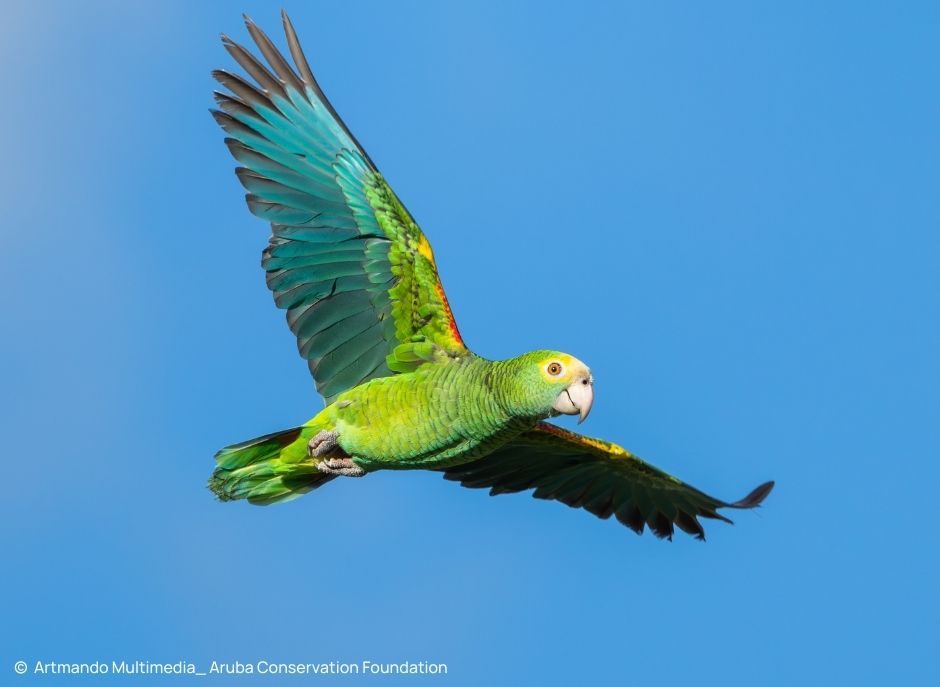
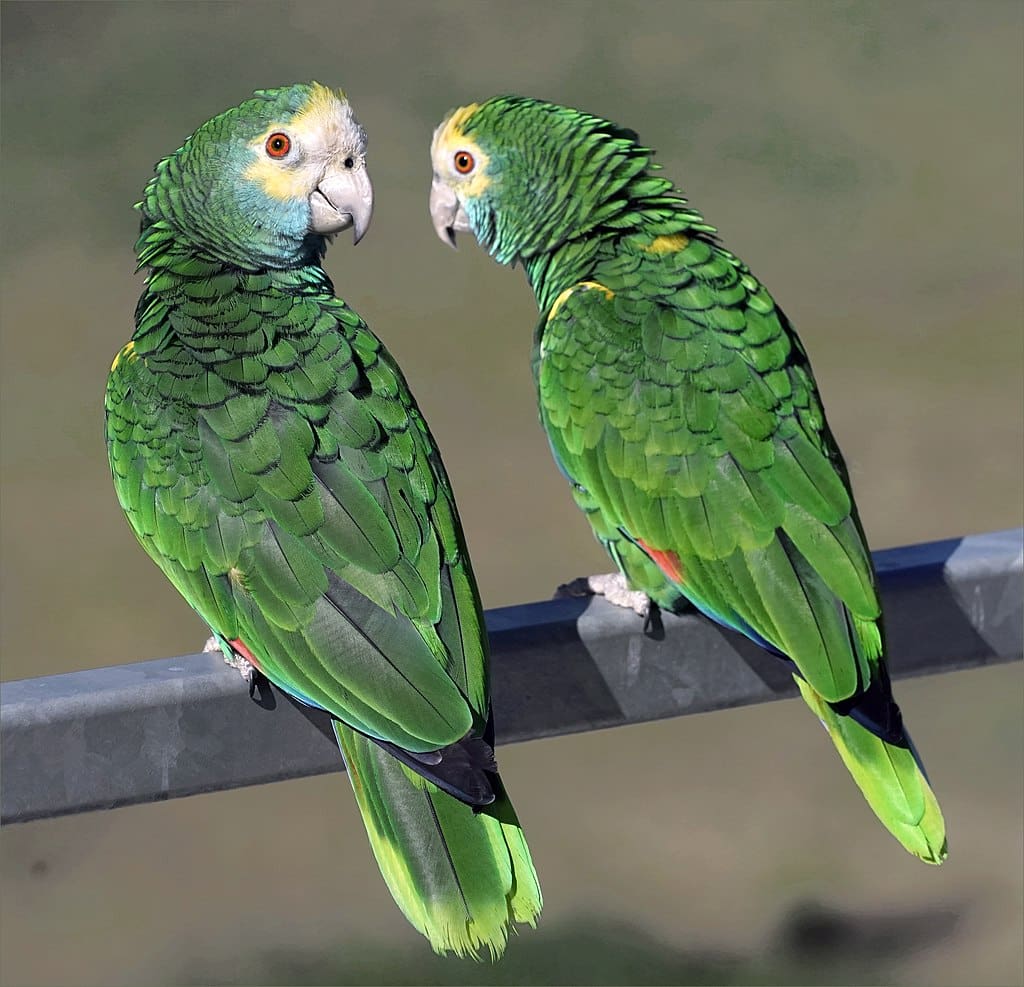
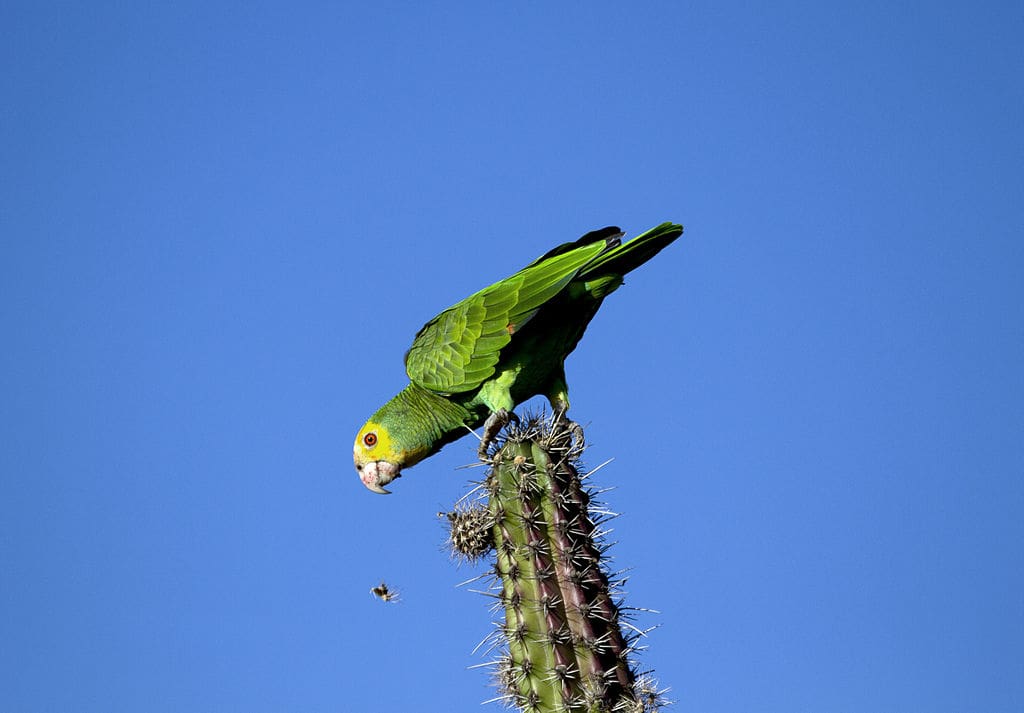
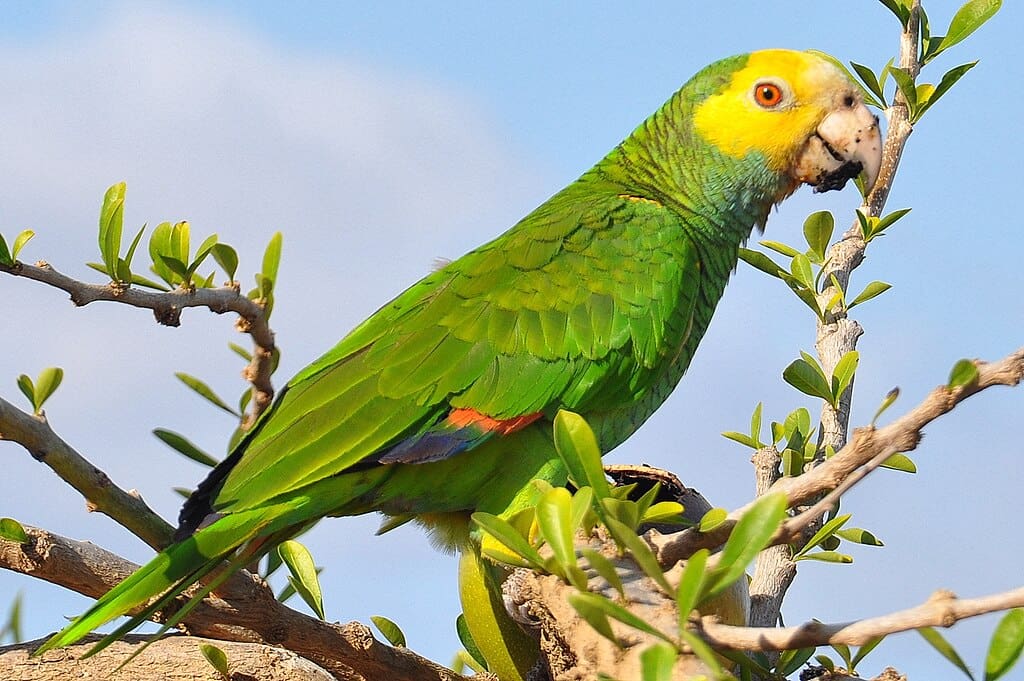
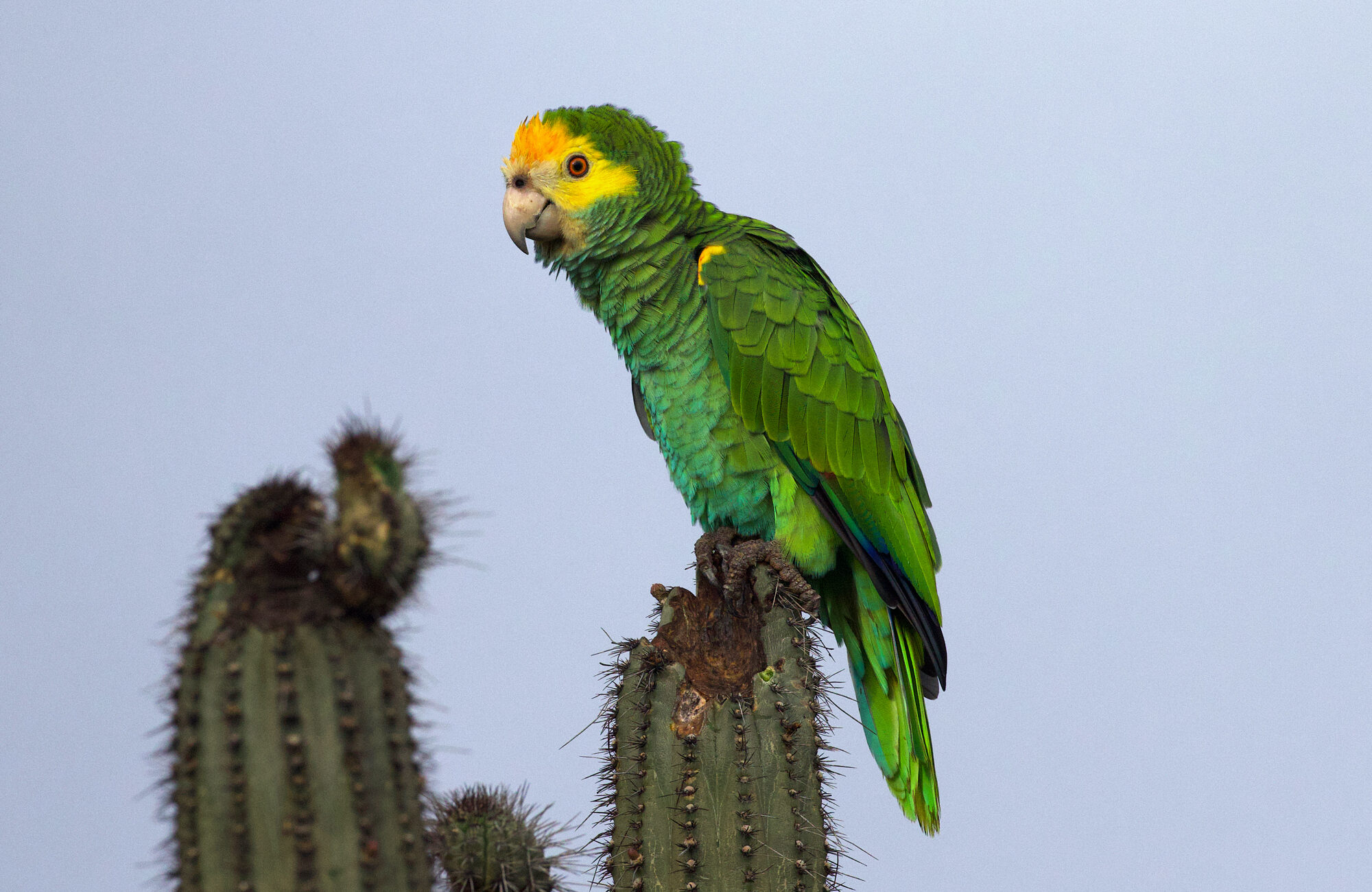
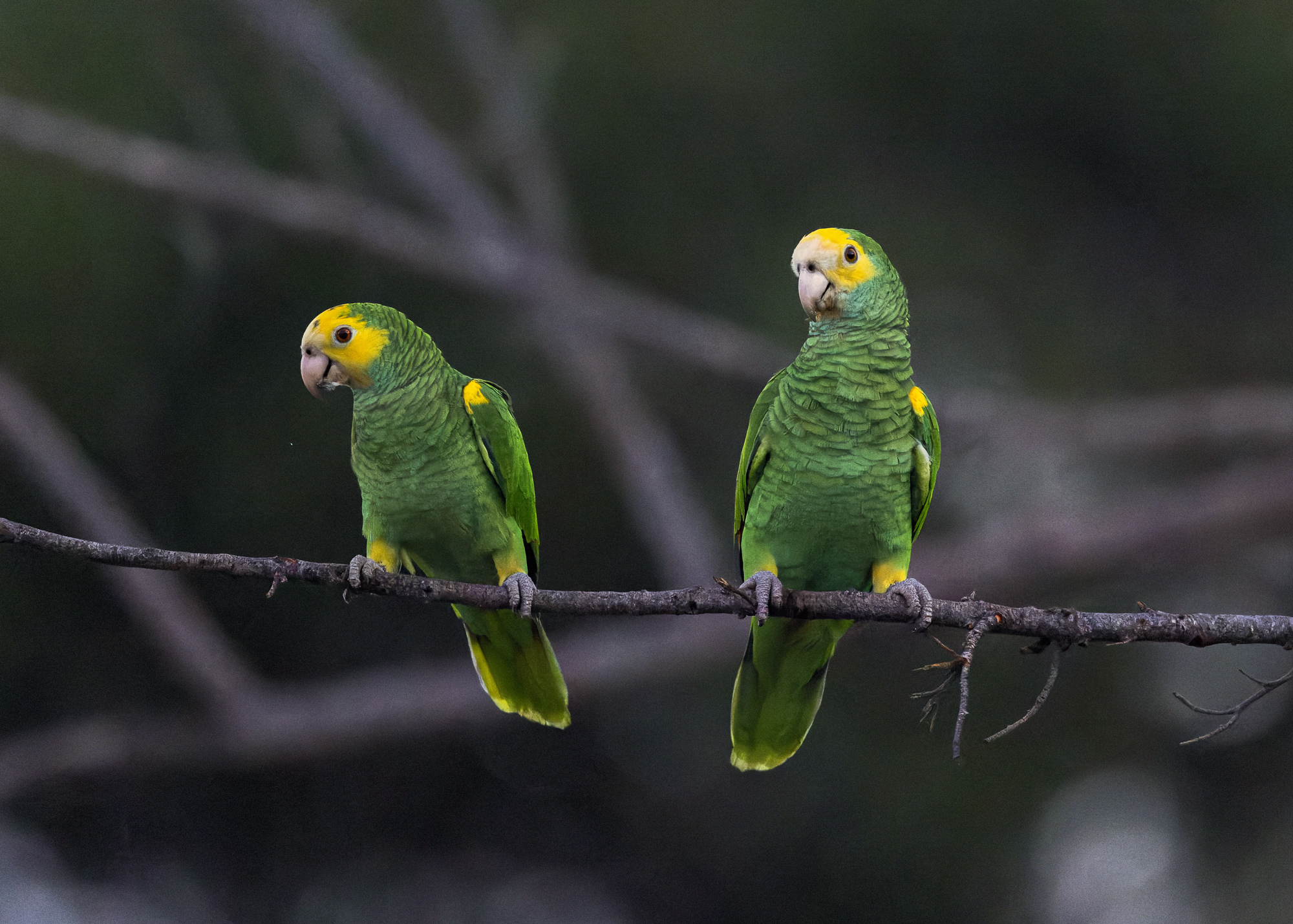
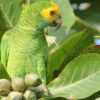
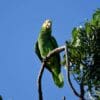
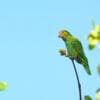
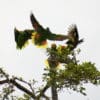
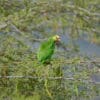
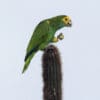
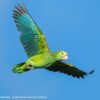
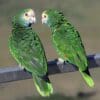
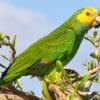
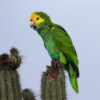
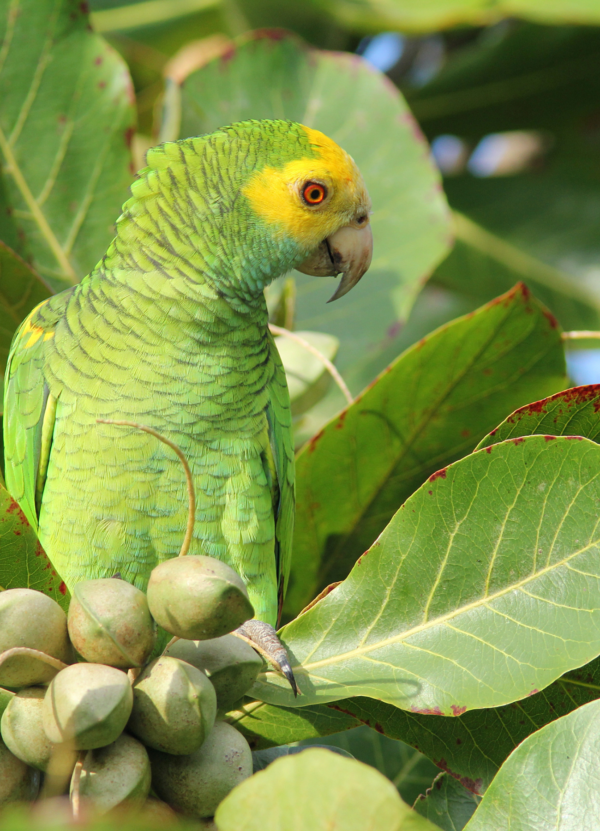
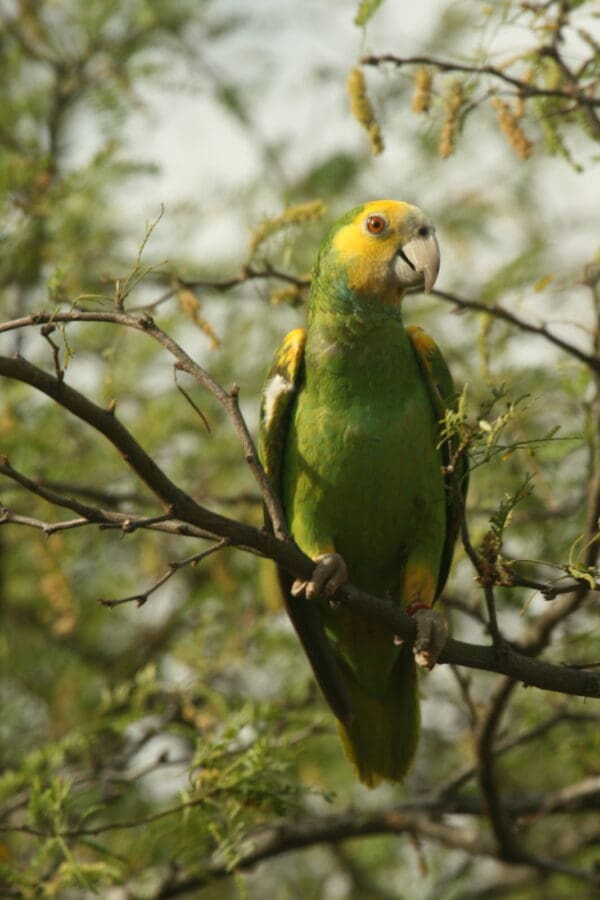
Both adults: green body colour with fine black scalloping on feathers; white forehead, forecrown and lores; yellow hindcrown to area around eyes and upper cheeks; yellow thighs; bend of wing yellow; red wing speculum across feather bases of secondaries 1-4; green tail with orange/red hidden in feather bases. Beak horn coloured. Eye ring pale grey. Eye orange/red.

Colour Juvenile:

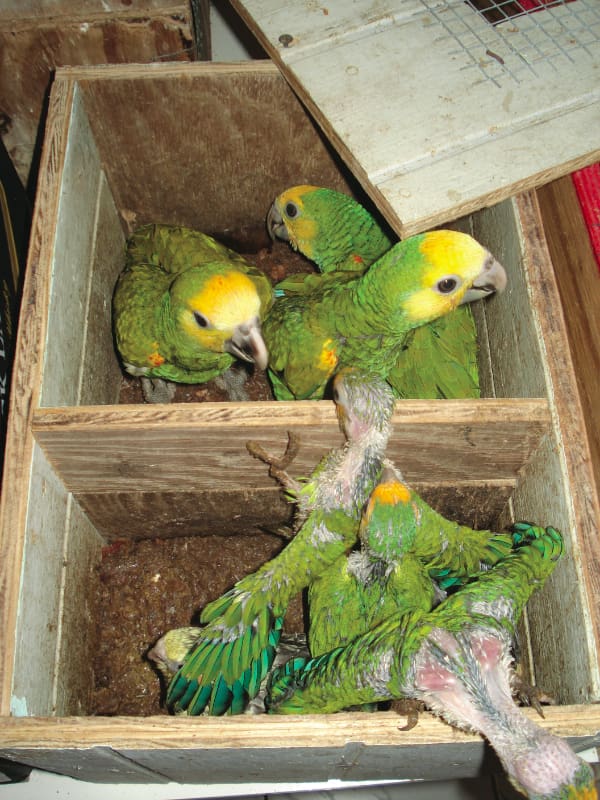
As in adult but usually duller in colour with less yellow on head; forehead white occasionally tinted with blue. Beak grey/white washed with dark grey. Eye brownish.

Call:

Calls loud and raucous; less musical than other Amazons.

Xeno-canto Wildlife Sounds – Yellow-shouldered Amazon

Content Sources:

CITES
Avibase
BirdLife International
Cornell Lab of Ornithology/Birds of the World
A Guide to Parrots of the World, Juniper and Parr, 1998
Parrots: Status Survey and Conservation Plan 2000-2004, Snyder, McGowan, Gilardi and Grajal, 2000.
Parrots of the World, Forshaw and Cooper, 1977. 2010 edition
Parrots of the World, Forshaw, 2006.
Genus Amazona, Stoodley and Stoodley, 1990
Parrots in Aviculture, Low, 1992.
Psittacine Aviculture, Schubot, Clubb and Clubb, 1992.

Captive Status:

Rare.

Longevity:

Housing:

Walk-in enclosure, minimum length 4.5 m (14.7 ft) or aviary or suspended cage, minimum length 3 m (9.8 ft).

Diet:

Fruit such as: apple, pear, orange, banana, cactus fruits, pomegranate, forming about 30% of the diet; fresh vegetables such as: carrot, celery, green peas, beans, fresh corn, green leaves; spray millet and limited mixed seed, cooked beans and pulses, complete kibble.

Enrichment:

Nest Box Size:

12″ x 12″ x 24″ (30.5 cm x 30.5 cm x 61 cm) vertical box

Clutch Size:

2-3

Fledging Age:

9 weeks

Hatch Weight:

Peak Weight:

Weaning Weight:

World Population:

2500-10,000 mature individuals, decreasing.

IUCN Red List Status:
Near Threatened

CITES Listing:
Appendix I

Threat Summary:

A BirdLife ‘restricted-range’ species. Affected by habitat loss in island range due to tourism and overgrazing by domestic animals, and is widely exploited for local bird trade. In some areas is persecuted for visiting crops.

Range:

Restricted to a small coastal area in Venezuela (Falcón, Lara, Anzoátegui, and Sucre states) and the islands of La Blanquilla, Margarita and Bonaire. Reintroduced to Aruba. Introduced to Curaçao, Netherlands Antilles.

Habitat:

Occurs in areas with cacti, thorny bush, arid scrubs and trees; also reported around cultivated areas and mangroves. Found up to 450 m (1476 ft) on Margarita, possibly higher on the mainland. Plant species are columnar cacti (Stenocereus griseus and Cereus repandus) and legume trees (Prosopis [Neltuma] juliflora, Parkinsonia praecox, Pithecellobium ungis-cati, and Caesalpinea [Libidibia] coriaria). Other common trees belong to Capparidaceae (Capparis [Quadrella] odoratissima and Capparis [Morisonia] hastata) and Zygophyllaceae (Bulnesia [Gonopterodendron] arborea and Guaiacum officinale). The understory is dominated by non-columnar cacti (Opuntia wentiana [caracassana] and Melocactus curvispinus) and spiny bromeliads (Bromelia humilis and Bromelia chrysantha).

Wild Diet:

Fruits, seeds and flowers including Platymiscum, Pithecellobium, Piptadenia, Piscidia, Bulnesia, Tabebuia, Capparis, Malpighia, Bourreria, Casearia, Guaiacum, Terminalia, Spondias, Moringa, Ziziphus, Caesalpinia, Crotalaria, Acacia, Prosopis, Leucaena, Bursera, Crescentia and various cacti.
Ecology and Behaviour:

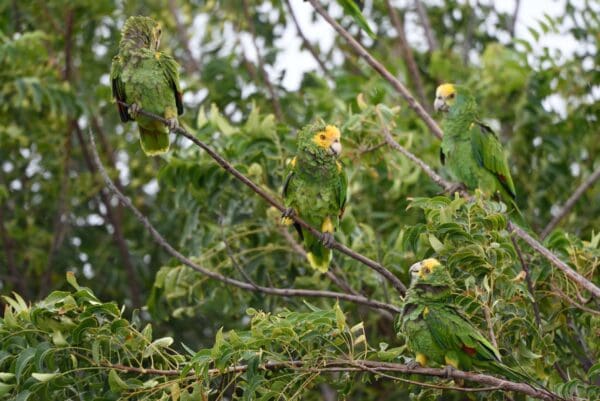
Found in pairs, families; also larger flocks of up to 100. Roost communally in tall trees or rock outcroppings.

Clutch and Egg Size:

2-3 ovate eggs, 36.5 x 26.0 mm (1.4 x 1 in).

Breeding Season:

March-September, sometimes October on Bonaire. Nest is in tree, cliff or cactus cavity.

Join Our Flock

FlockTalk our monthly newsletter for parrot people everywhere:

+ News from the world of parrots

+ Updates on wild parrot projects

+ Inspiring updates from partners

+ Real stories from the parrot flock

+ Plus, expert tips for caring for your feathered friends at home.


Stay In The Loop, Sign Up Now.

FlockTalk: our monthly newsletter for parrot people everywhere:

Parrot news. Conservation wins. Pet care tips. All in one monthly email.

We do not sell or share your information with anyone