LEARN

Brown-breasted Conure

( Pyrrhura calliptera )

Also known as:
Brown-breasted Parakeet, Flame-winged Conure or Parakeet, Beautiful Conure

Also known as:
Brown-breasted Parakeet, Flame-winged Conure or Parakeet, Beautiful Conure

Type :
Geography:

DID YOU KNOW?

This species can be found at relatively high altitudes, up to 3400 m (11,152 ft).

<p><em>Pyrrhura</em></p>
Genus:

Pyrrhura

<p><em>calliptera</em></p>
Species:

calliptera

Size:

22 cm (8.6 in)

Weight:

Probably 50-60 g.

Subspecies including nominate:

one

Colour Adult:

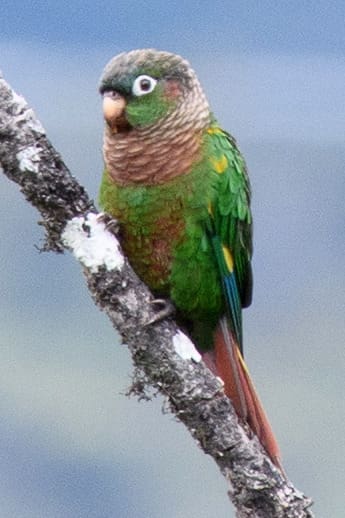
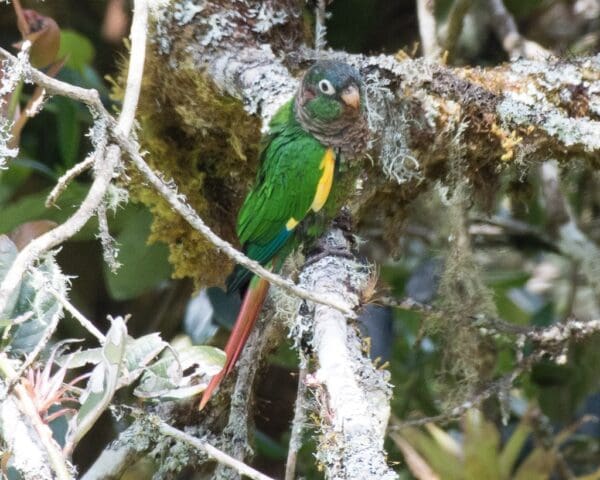
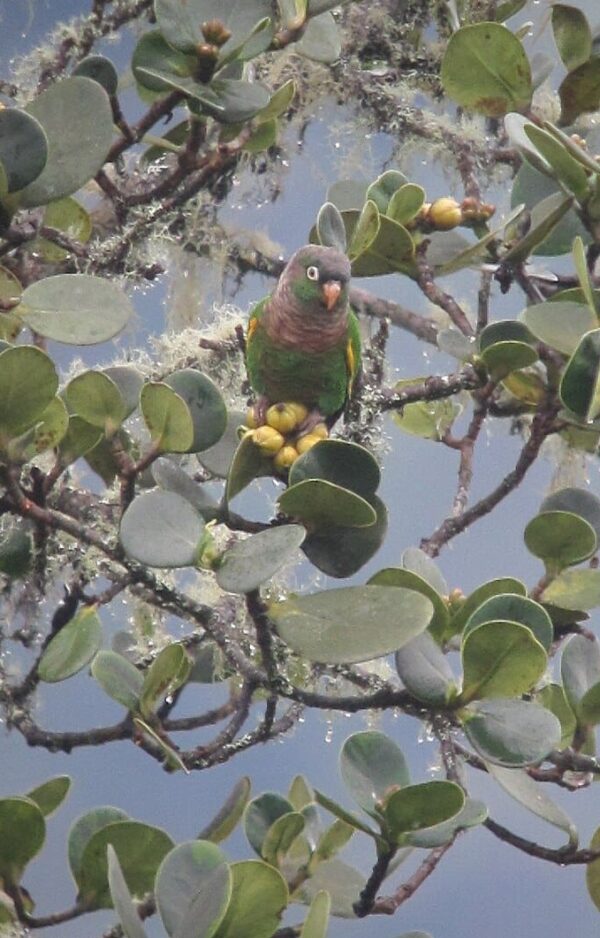
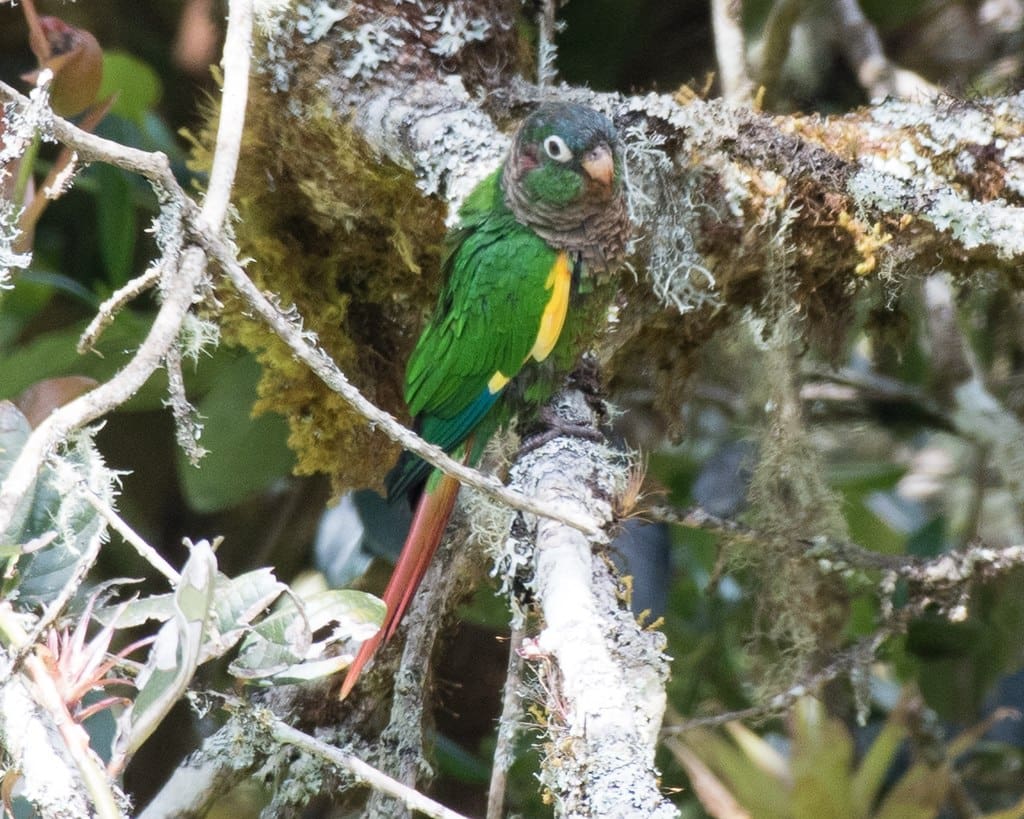
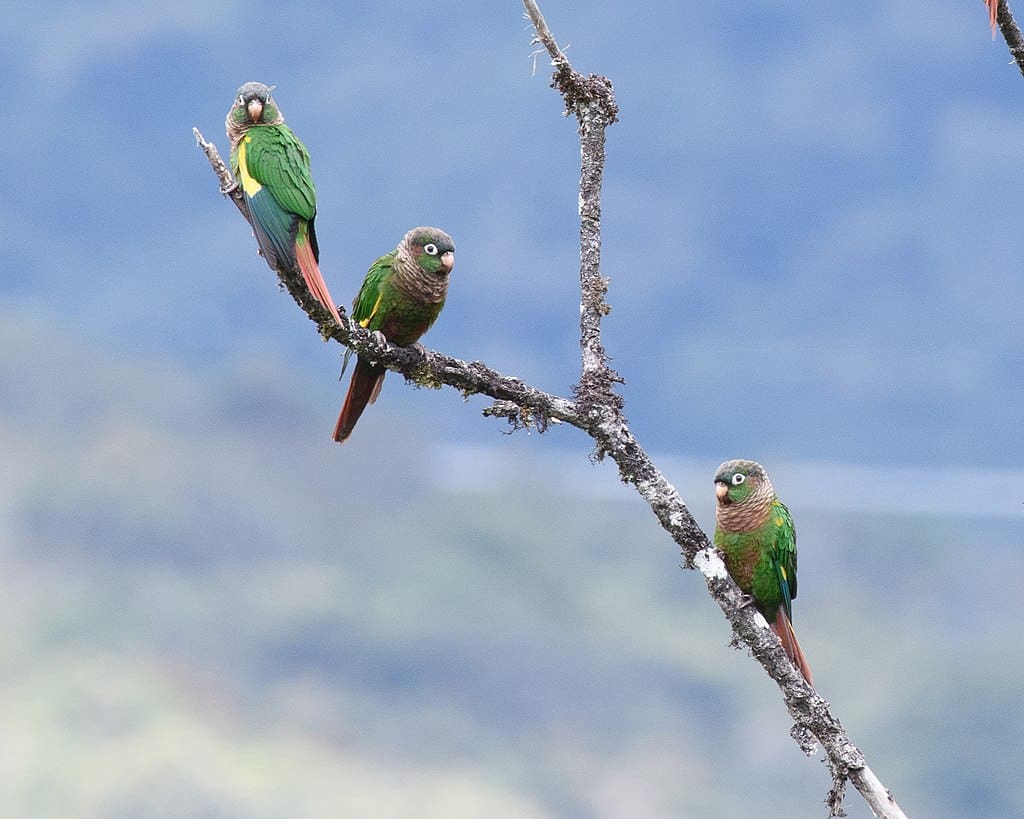
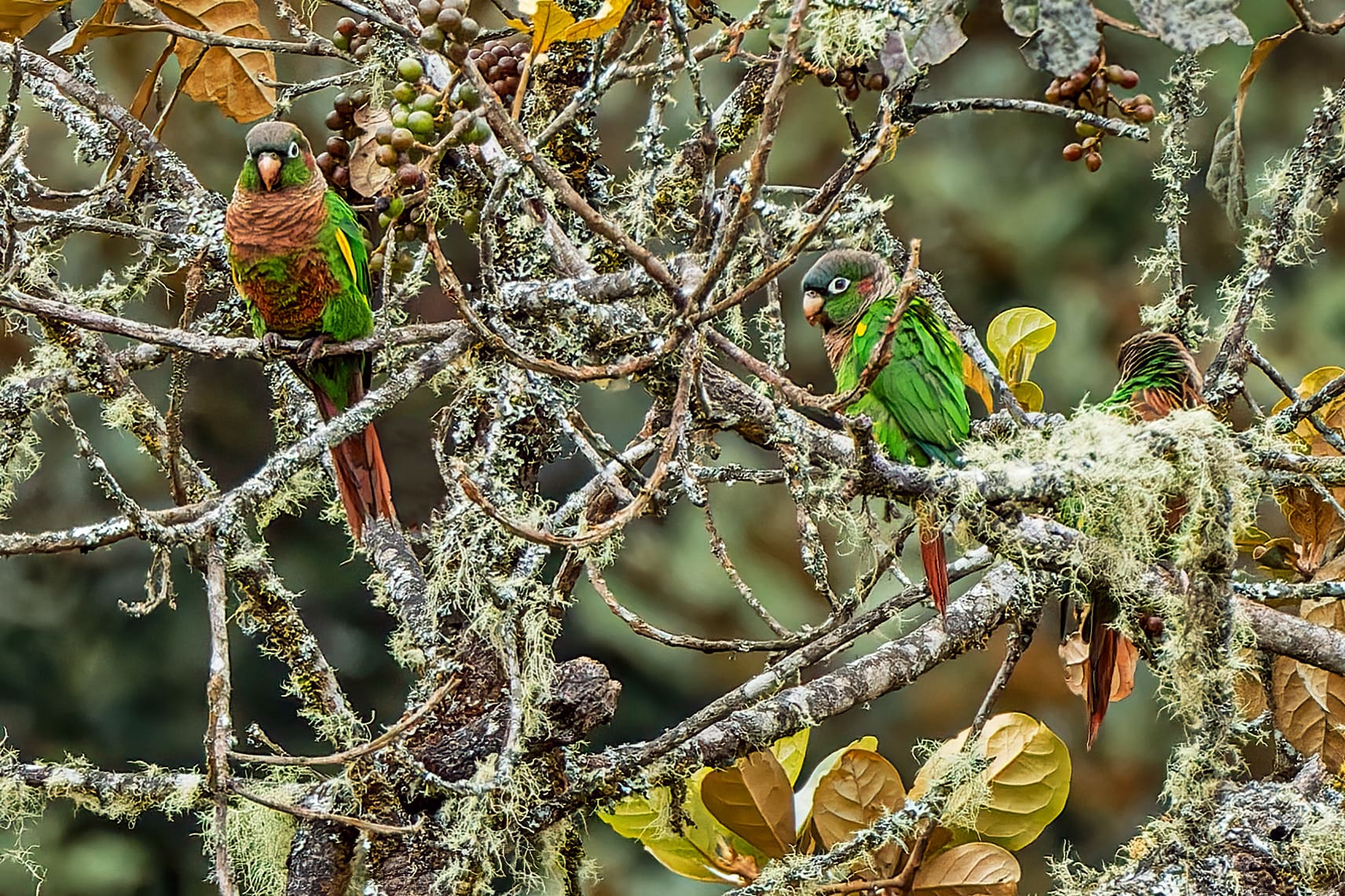
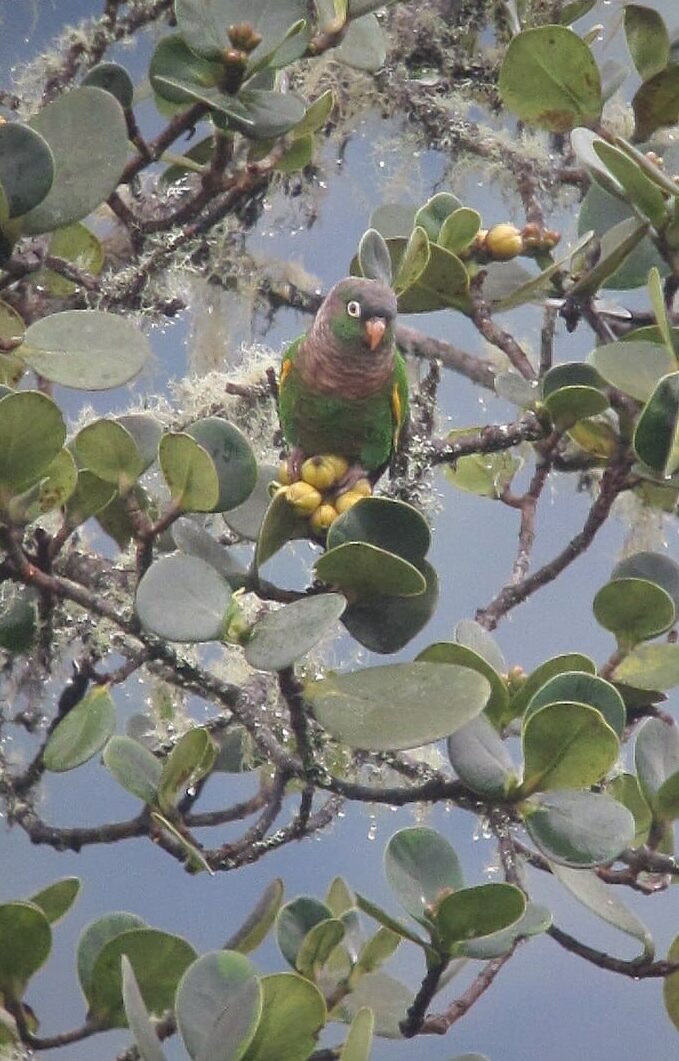
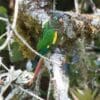
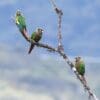
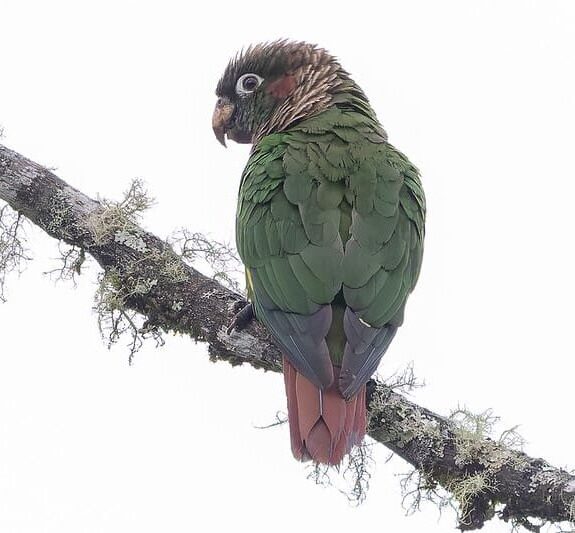
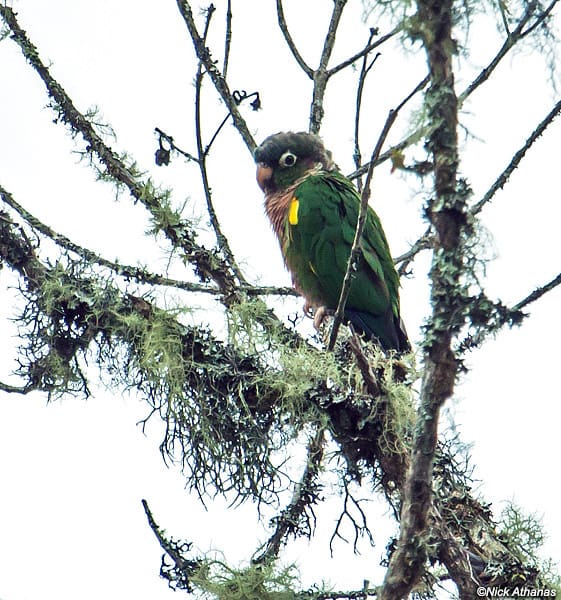
Both adults green body; red/brown ear coverts; red/brown breast, faintly barred paler brown and dusky black; yellow primary coverts and carpal edge; red/brown tail. Beak horn-coloured. Eye ring bare and white. Eye yellow.

Colour Juvenile:

As in adults but green primary coverts and carpal edge. Eye brown.

Call:

Calls in flight are harsh and are heard at long distances.

Xeno-canto Wildlife Sounds-Brown-breasted Conure

More Information:

Avibase

Content Sources:

CITES
BirdLife International
Cornell Lab of Ornithology/Birds of the World
A Guide to Parrots of the World, Juniper and Parr, 1998
Parrots of the World, Forshaw, 2006. 2010 edition
Parrots in Aviculture, Low, 1992.
Parrots: Their Care and Breeding, Low, 1986.

Captive Status:

Not usually found in captivity.

Longevity:

Housing:

Enclosure 1 x 1 x 2 m (3.3 x 3.3 x 6.5 ft) with shelter, minimum temperature 10 C (50 F).

Diet:

Fruits such as: apple, pear, orange, banana, guava, mango, papaya, cactus fruits; vegetables such as: carrots, celery, green beans, peas in the pod; green leaves such as: Swiss chard, lettuce, kale, dandelion, sowthistle, chickweed; berries such as: mountain ash, elder and pyracantha; millet spray; soaked or sprouted sunflower; small seed mix such as: canary, millet, and smaller amounts of buckwheat, safflower, oats and a little hemp; cooked beans and pulses, boiled maize; complete kibble.
Enrichment:

Nest Box Size:

Vertical box 25 cm x 25 cm x 70 cm (10 x 10 x 30 in).

Clutch Size:

Not recorded.

Fledging Age:

Hatch Weight:

Peak Weight:

Weaning Weight:

World Population:

3300-6700 mature individuals, decreasing.

IUCN Red List Status:
Vulnerable

CITES Listing:
Appendix II

Threat Summary:

A BirdLife “restricted-range” species. May be extinct on the entire western slope of the eastern Andes. This species is rapidly declining due to habitat loss from cattle grazing and burning for agriculture, and persecution as a crop pest. No international trade has been recorded, and only light local trade. Present in Chingaza National Park and adjacent protected areas.

Range:

Fragmented populations on both slopes of east Andes of central Colombia, from Santander to Cundinamarca, perhaps to Meta (Páramo de Sumapaz).

Habitat:

Found from 1500-3400 m (4920-11,152 ft) in the upper subtropical and temperate zone cloud forest, other humid forest; also elfin woodland and páramo with bushes or scattered forest patches, and areas with shrubs, secondary growth, peatbog páramo and clearings.

Wild Diet:

Feeds on fruits of Cecropia, Clusia and Brunellia colombiana, blueberry, blackberry Rubus and seeds of Espeletia uribeii and Cecropia. May take cultivated maize.

Ecology and Behaviour:

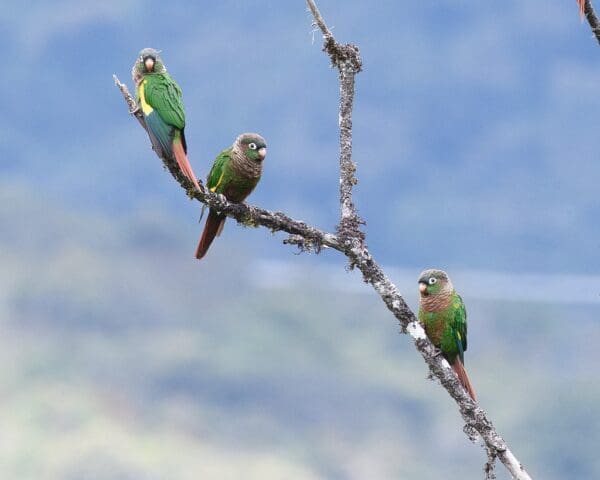
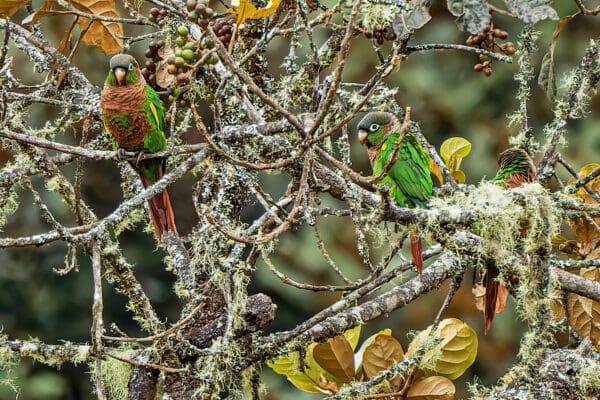
Gregarious; seen in groups of of 6-14 and sometimes more. Makes local altitudinal movements but otherwise is resident. Feeds mainly in trees and low bushes.

Clutch and Egg Size:

Not recorded.

Breeding Season:

August-October.

Related Links:

Join Our Flock

FlockTalk our monthly newsletter for parrot people everywhere:

+ News from the world of parrots

+ Updates on wild parrot projects

+ Inspiring updates from partners

+ Real stories from the parrot flock

+ Plus, expert tips for caring for your feathered friends at home.


Stay In The Loop, Sign Up Now.

FlockTalk: our monthly newsletter for parrot people everywhere:

Parrot news. Conservation wins. Pet care tips. All in one monthly email.

We do not sell or share your information with anyone