Also known as:
Hellmayr's Parakeet
Also known as:
Hellmayr's Parakeet

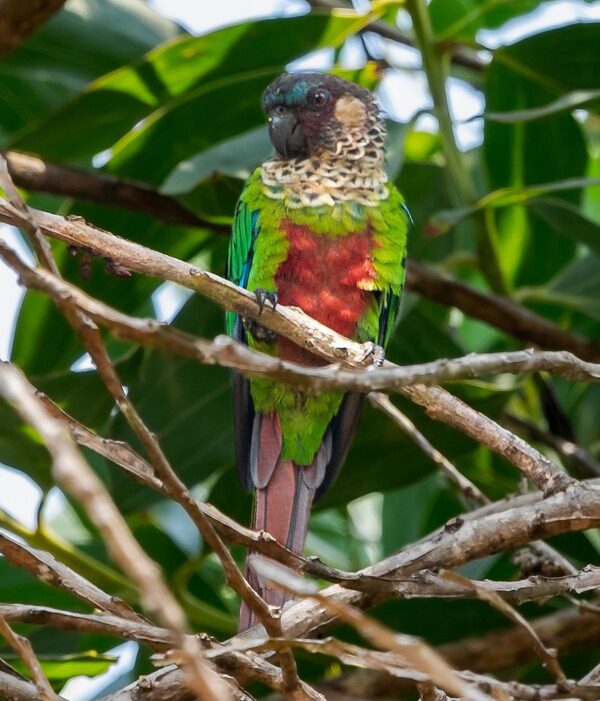
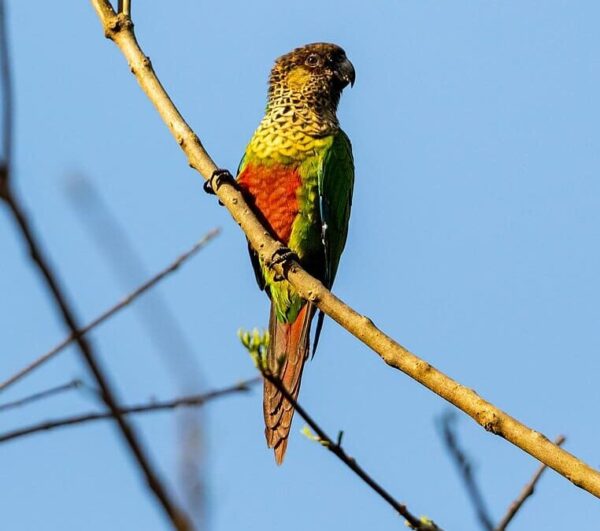
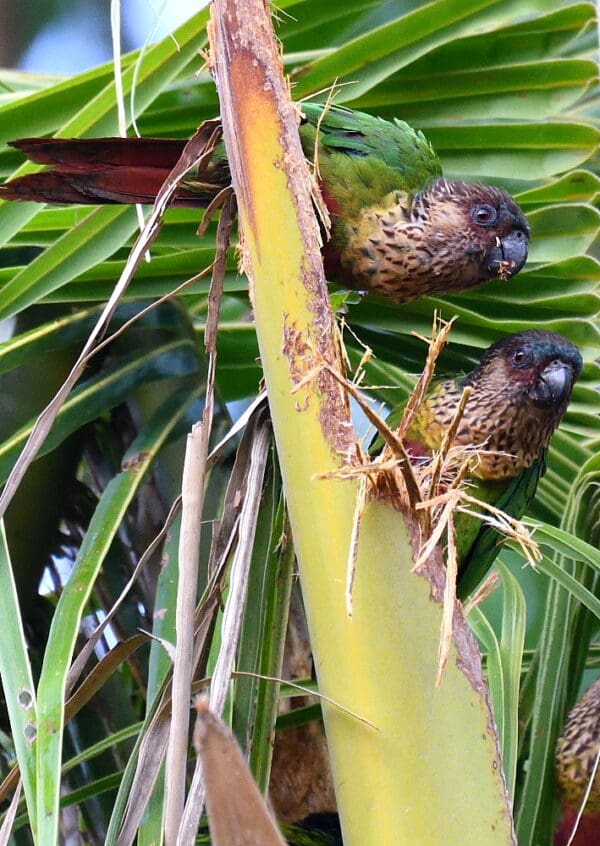
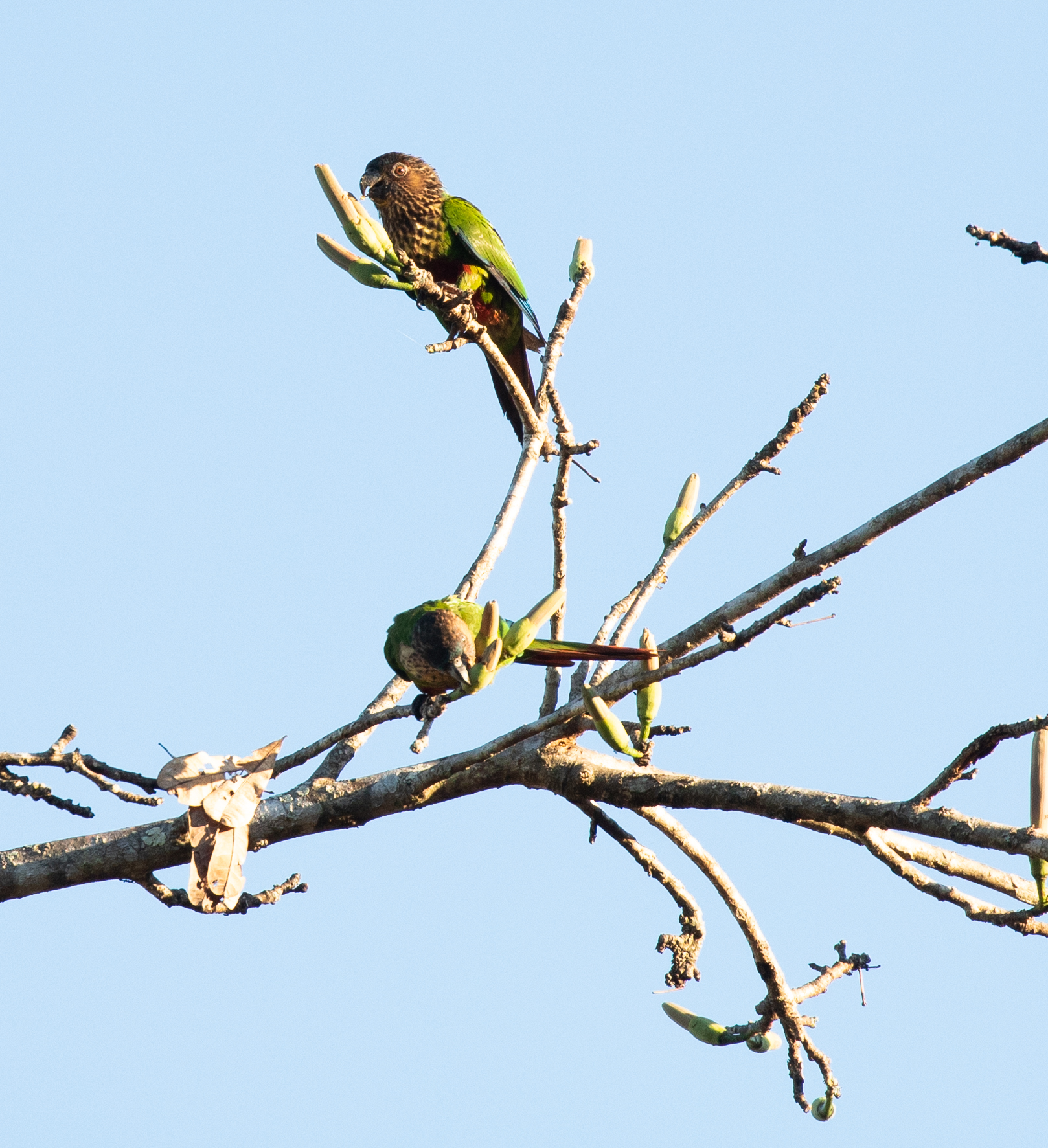
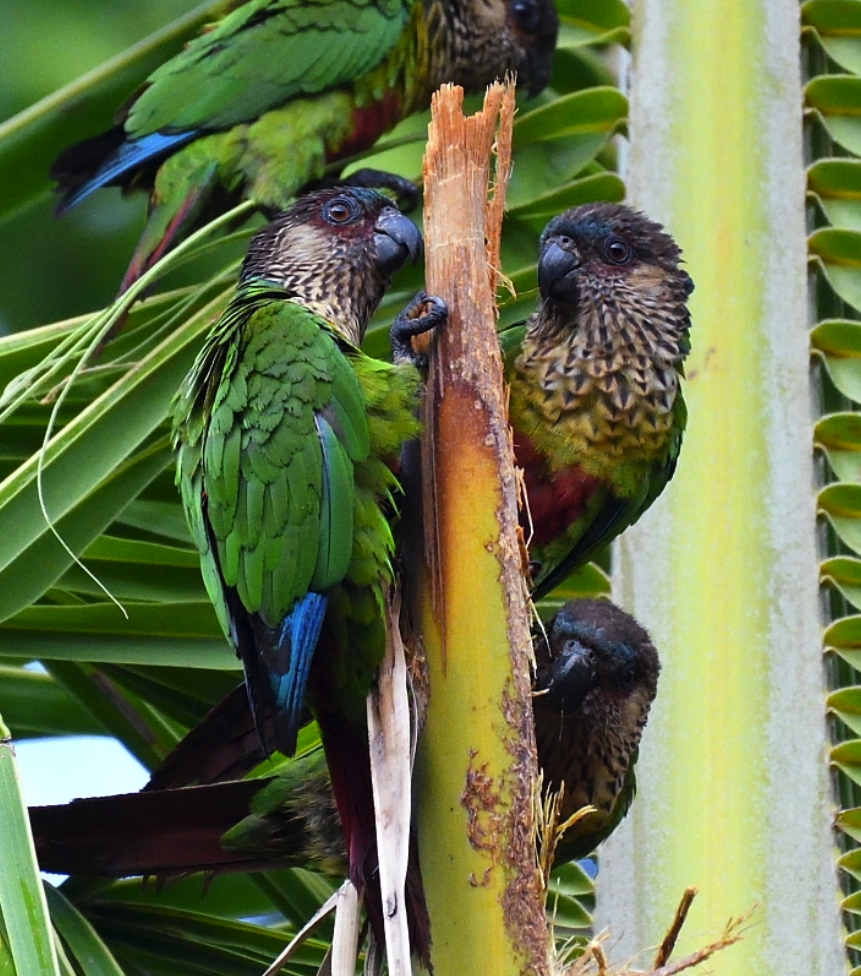
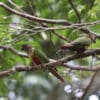
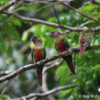
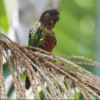
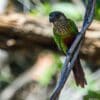
![© Jorge Montejo [CC BY-SA 2.0] via Flickr Wild SantarĂ©m Conures perch on a branch](https://parrots.org/wp-content/uploads/2023/01/wpt_Santarem-Conure_2018-3-100x100.jpg)
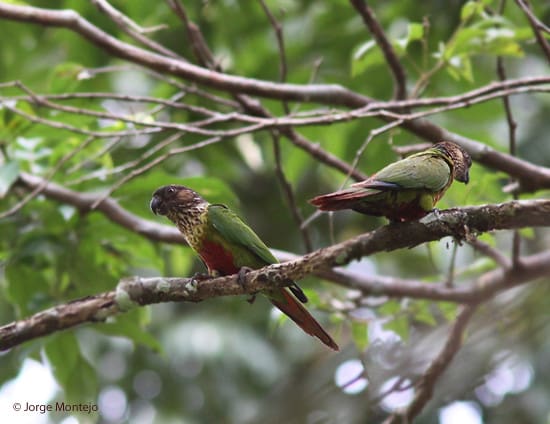
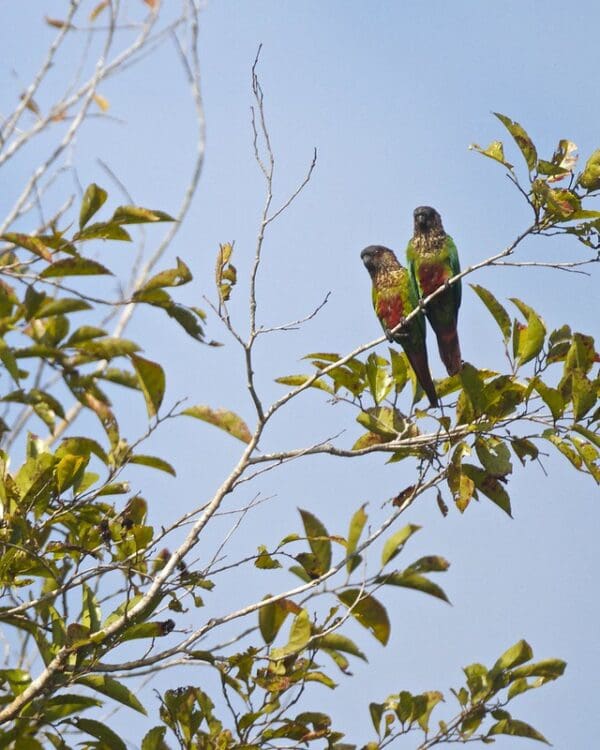
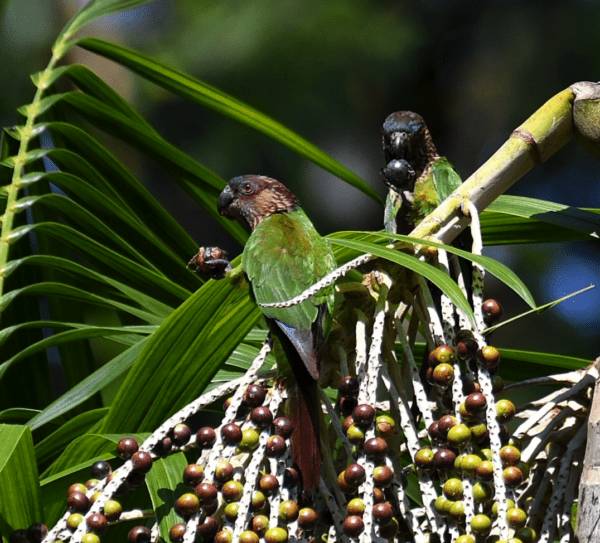
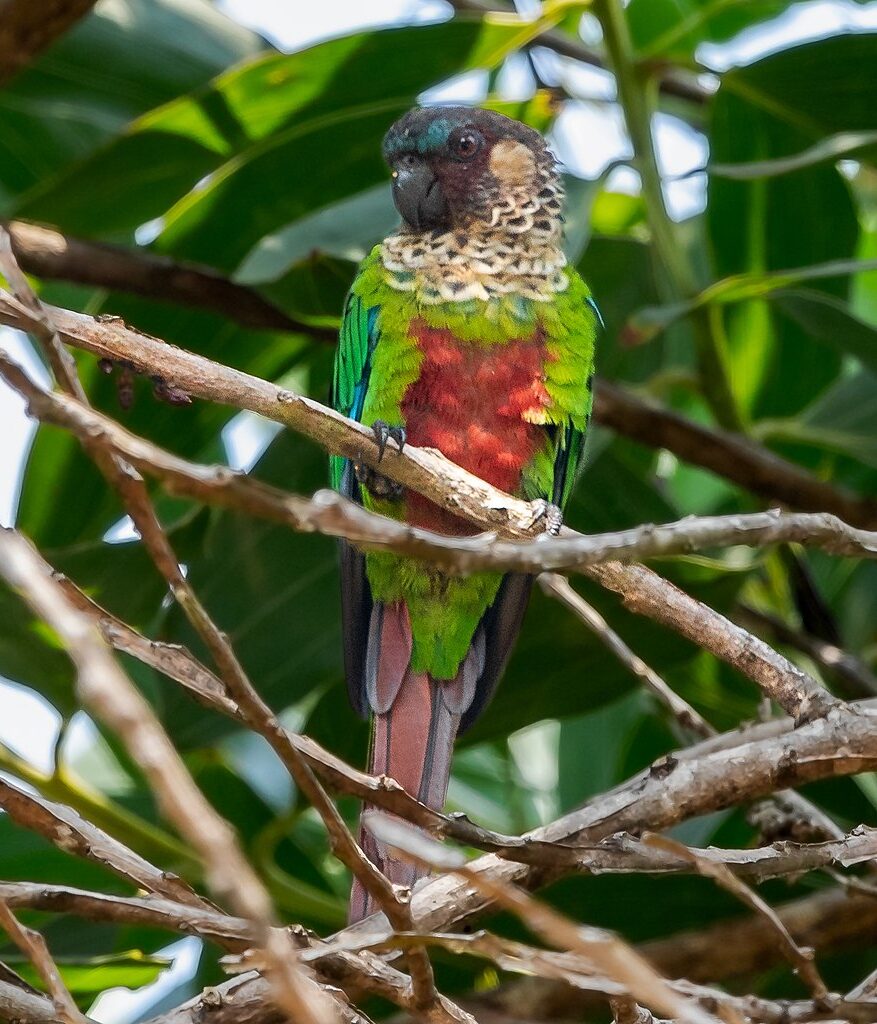
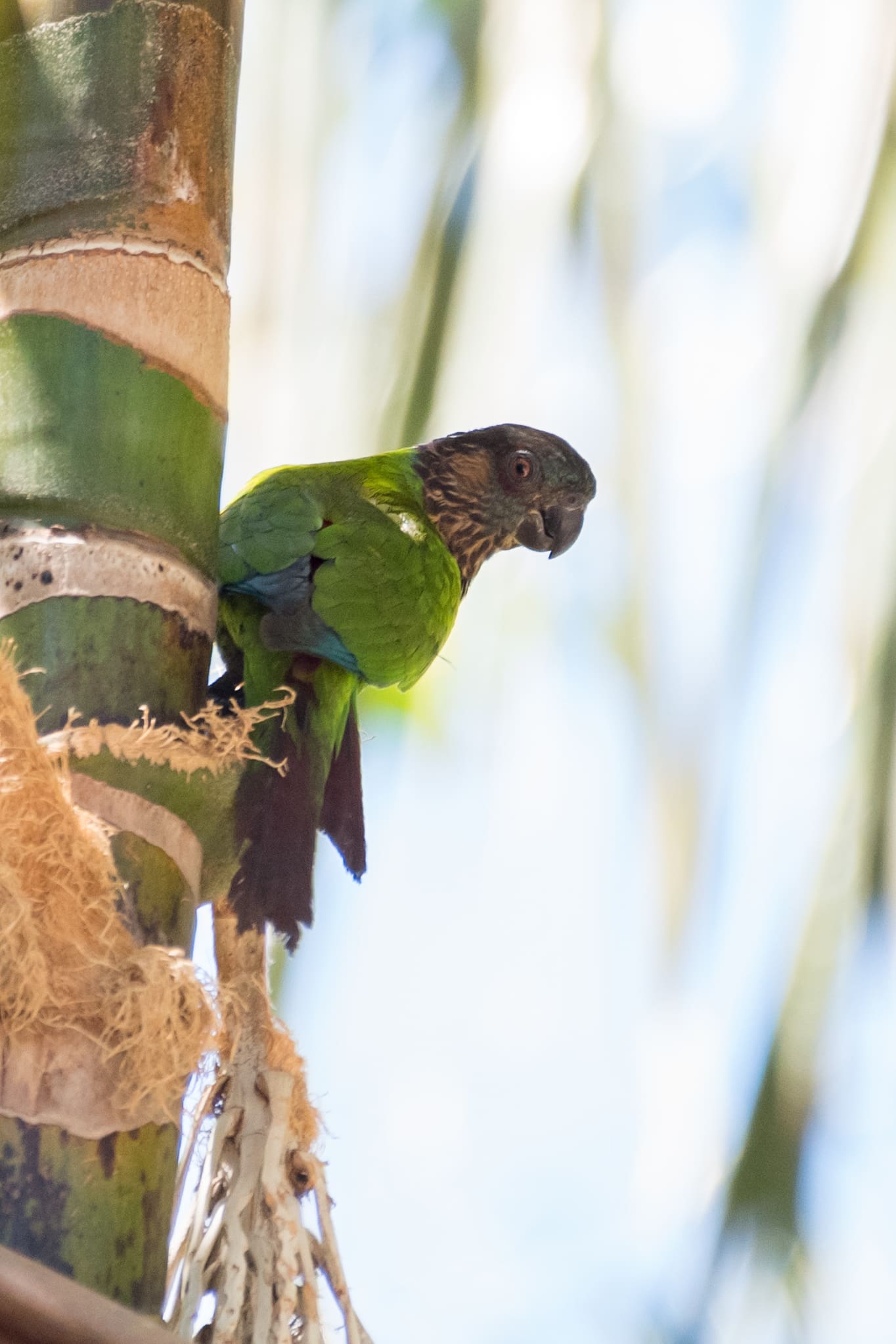
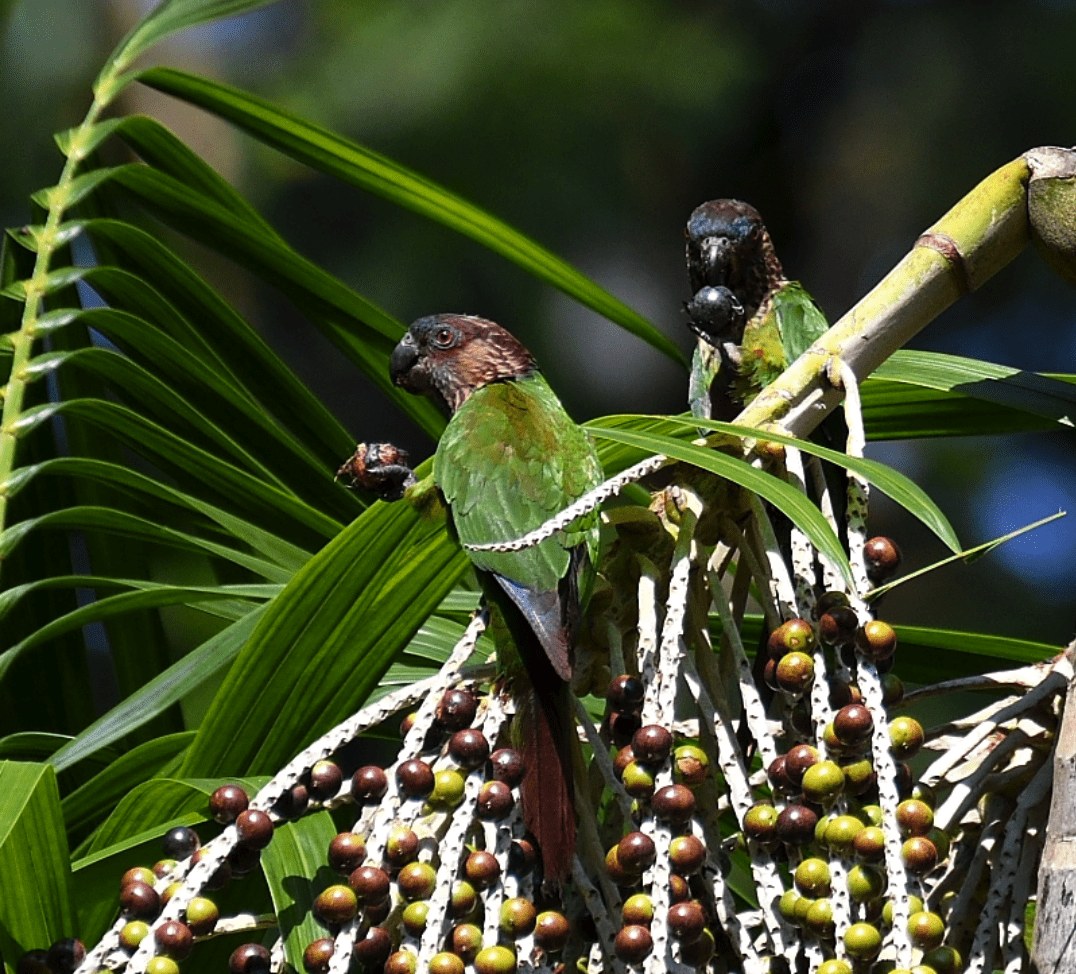
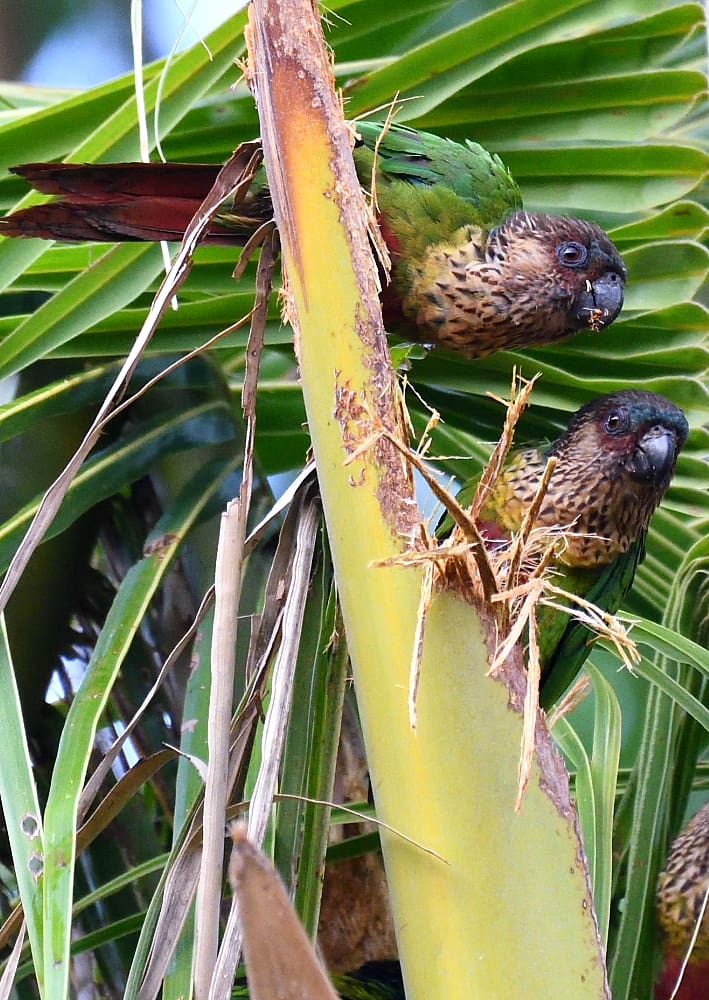
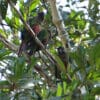
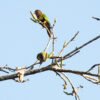
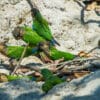
![© Vincent Vos [CC BY-NC-SA 2.0] via Flickr Wild SantarĂ©m Conure perch in a leafy tree](https://parrots.org/wp-content/uploads/2023/01/wpt_Santarem-Conure_2018-2-100x100.jpg)
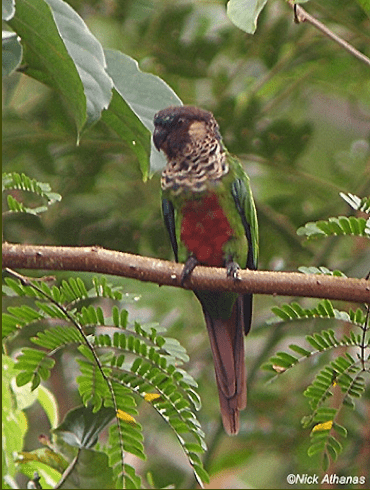
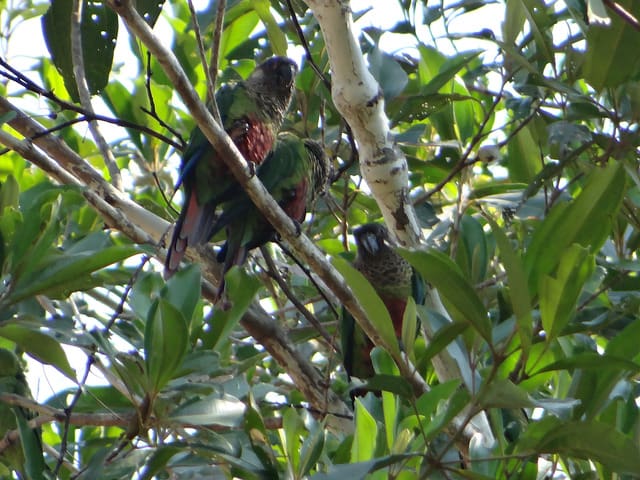
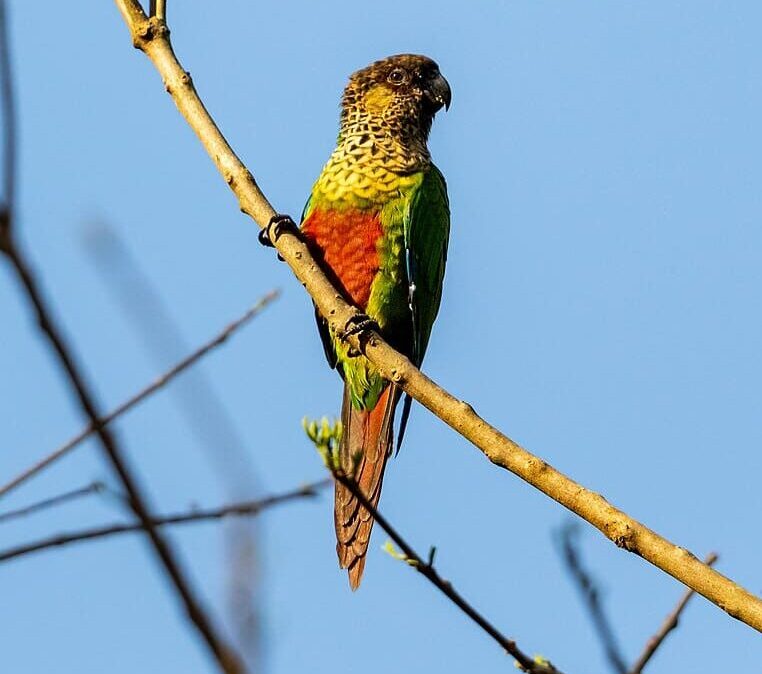
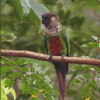
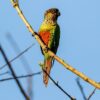
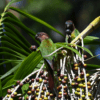
![© Nick Athanas [CC BY-NC-SA 2.0] via Flickr Wild SantarĂ©m Conure perches on a limb](https://parrots.org/wp-content/uploads/2023/01/wpt_Santarem-Conure_2018-100x100.png)

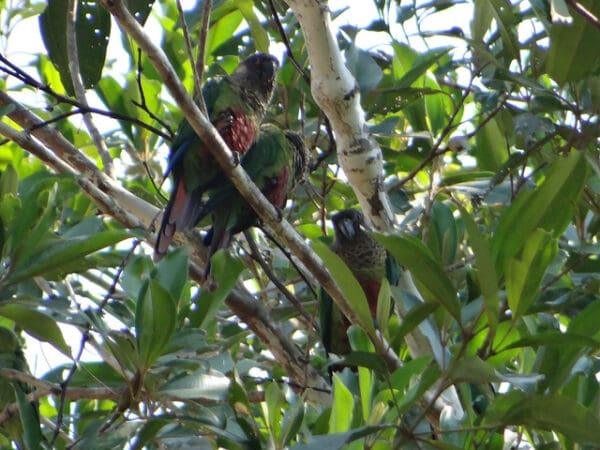
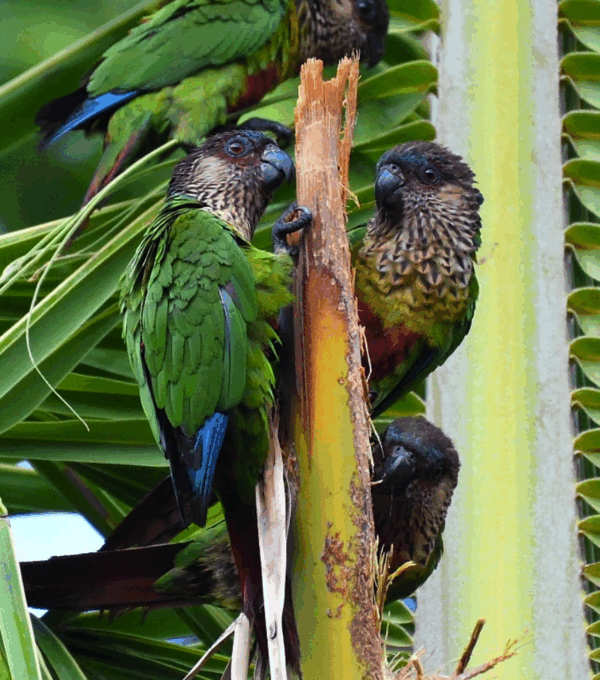
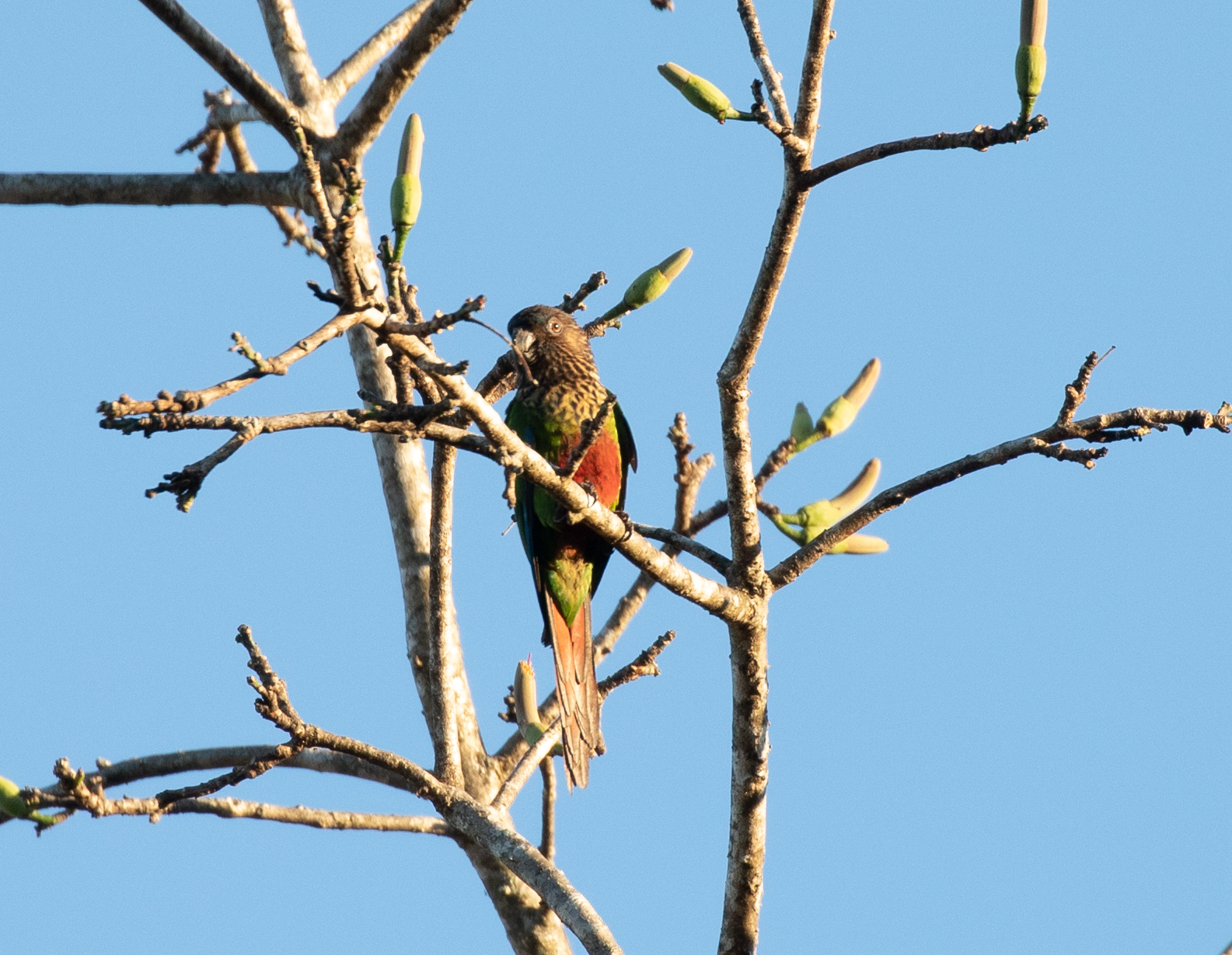
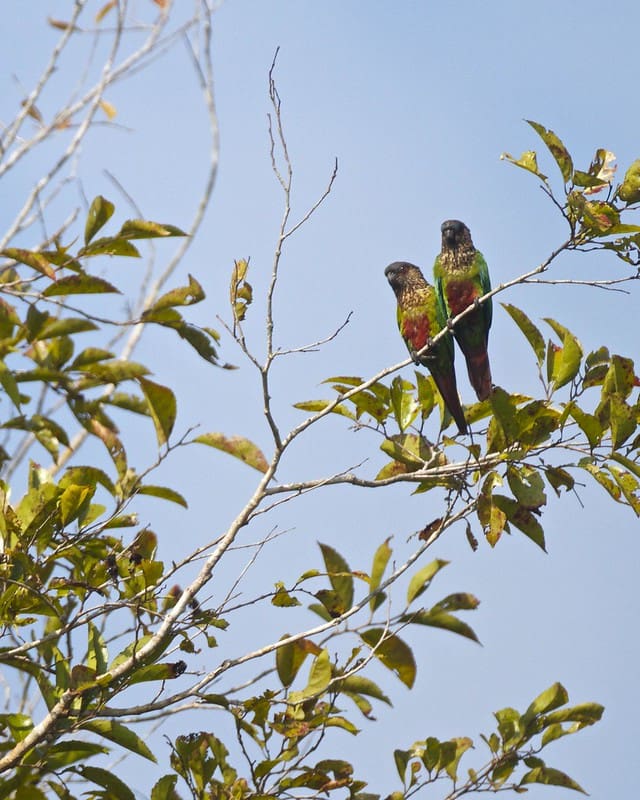
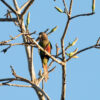
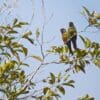
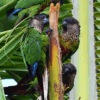
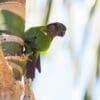
![© Amy McAndrews [CC BY-NC 2.0] via Flickr Wild SantarĂ©m Conures perch on a branch](https://parrots.org/wp-content/uploads/1990/11/Santarem-Conure-Amy-McAndrews-CC-BY-NC-ND-2.0-100x100.jpg)


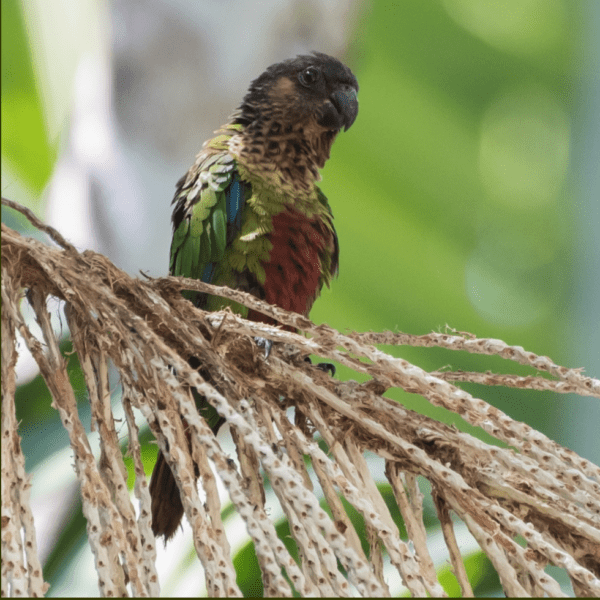
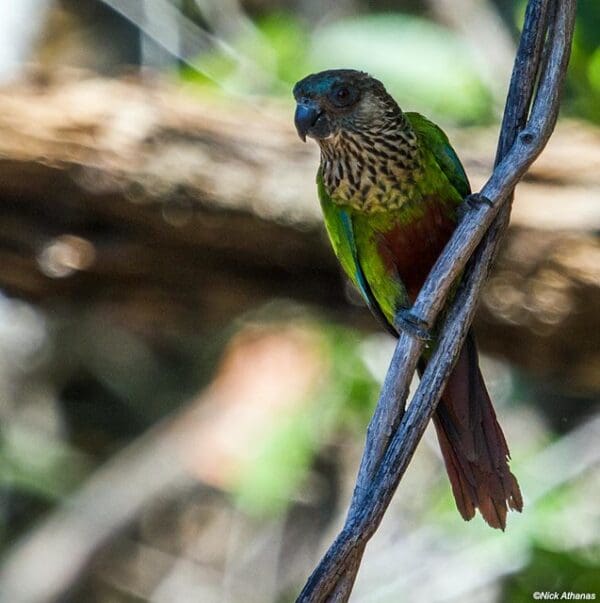
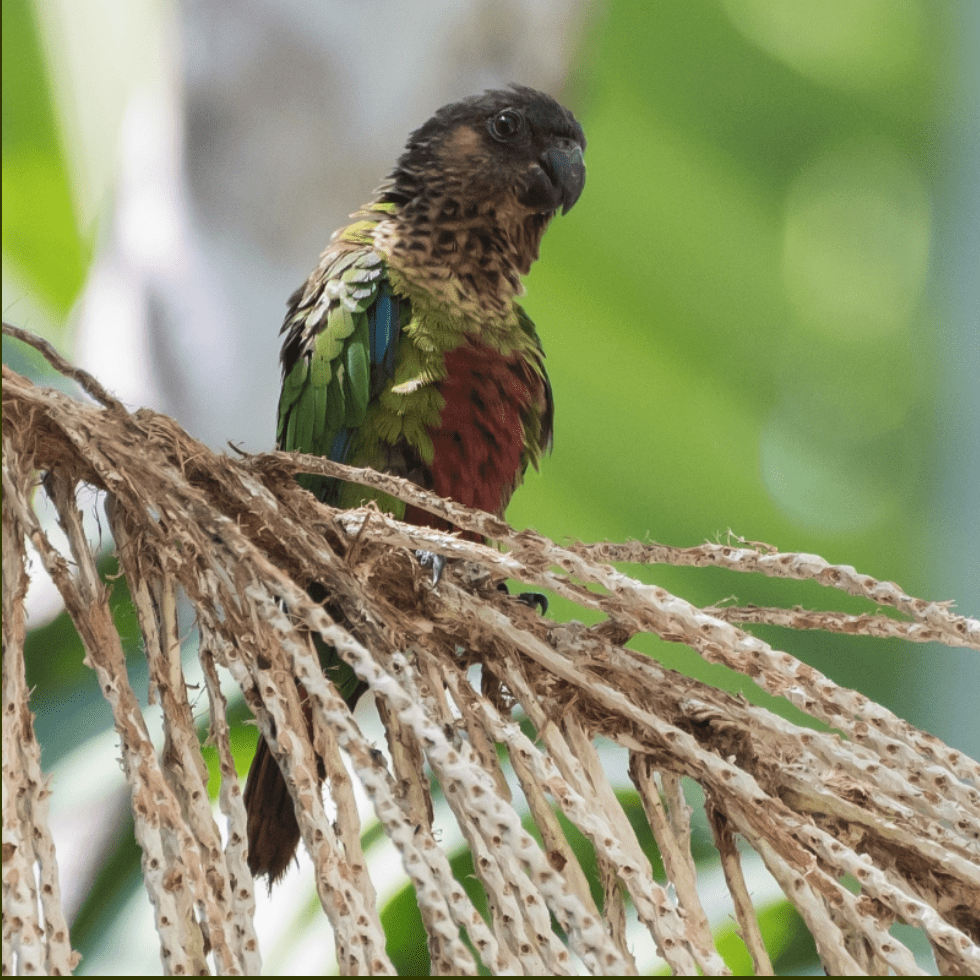
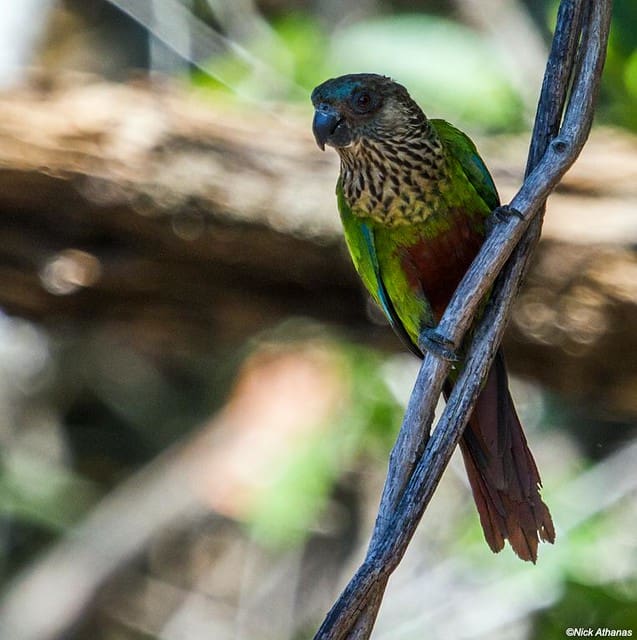
![© Nick Athanas [CC BY-NC-SA 2.0] via Flickr A wild Madeira Conure perches on a dried vine](https://parrots.org/wp-content/uploads/2023/01/wpt_Madeira-Conure_1348-6-100x100.jpg)
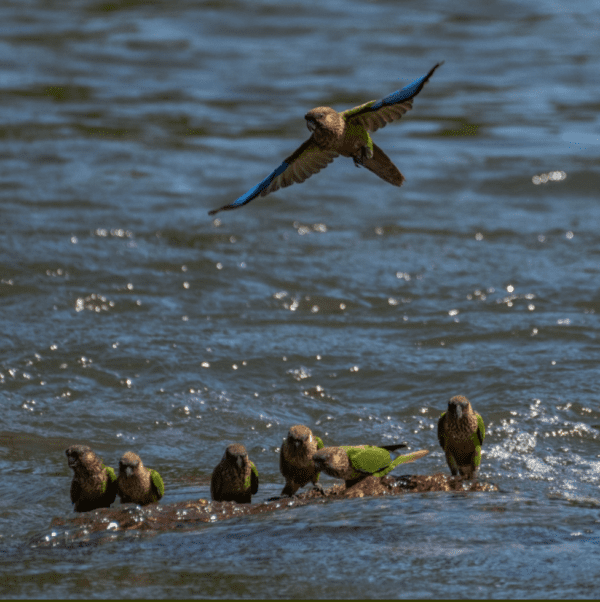
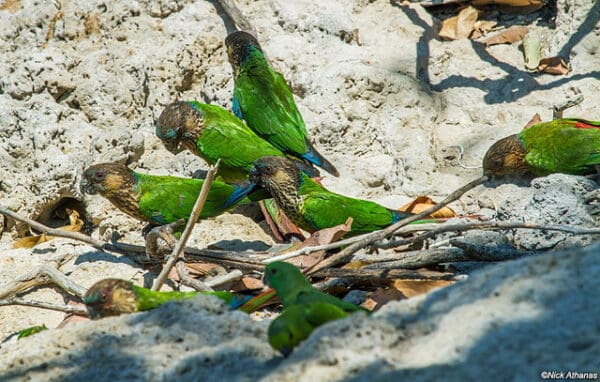
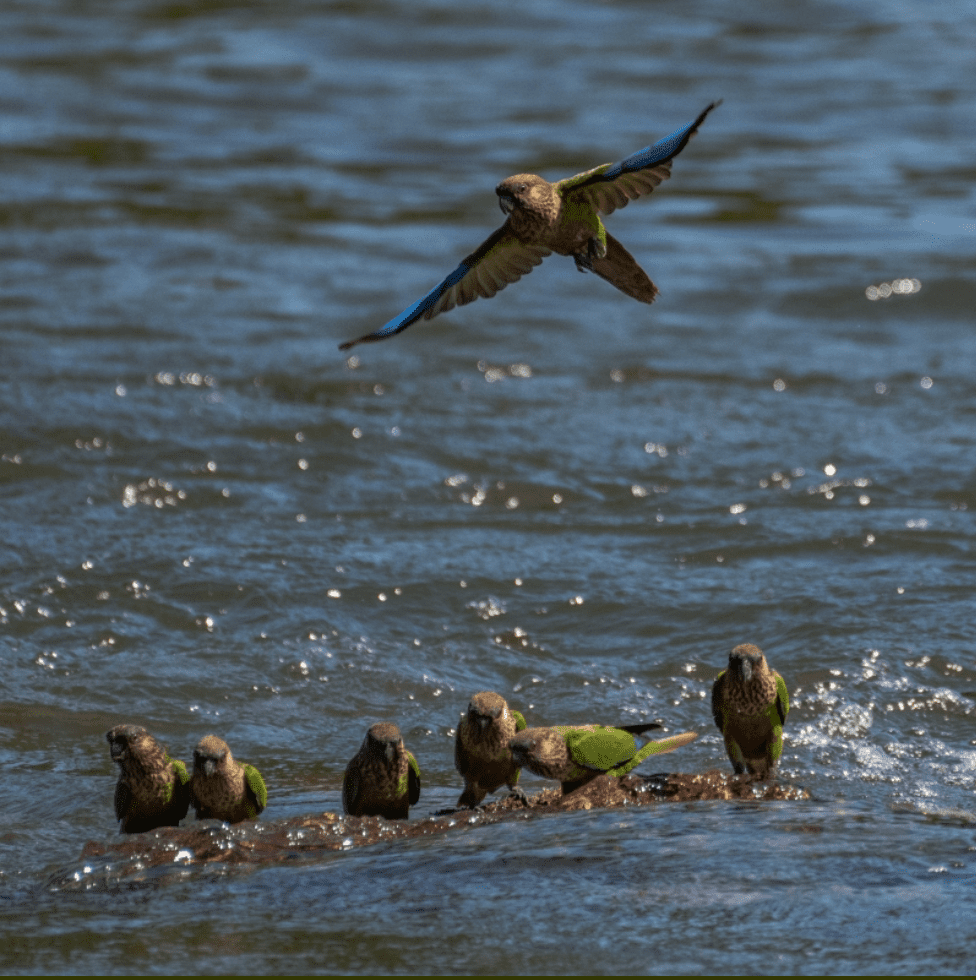
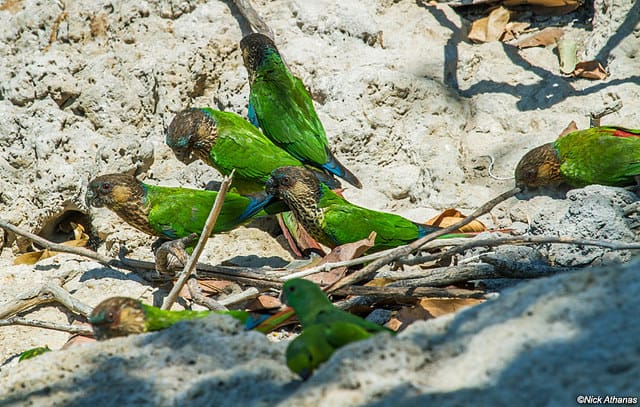
![© Nick Athanas [CC BY-NC-SA 2.0] via Flickr Wild Madeira Conures feed at a clay lick](https://parrots.org/wp-content/uploads/2023/01/wpt_Madeira-Conure_1348-5-100x100.jpg)

The Santarém Conure was historically considered a subspecies in the Pyrrhura picta complex.
Pyrrhura

amazonum
Size:
22 cm (8.6 in)
Weight:
54-70 g (1.9-2.5 oz)
Subspecies including nominate:
Three: P.a. amazonum, P.a. snethlageae, P.a. lucida
Colour Adult:
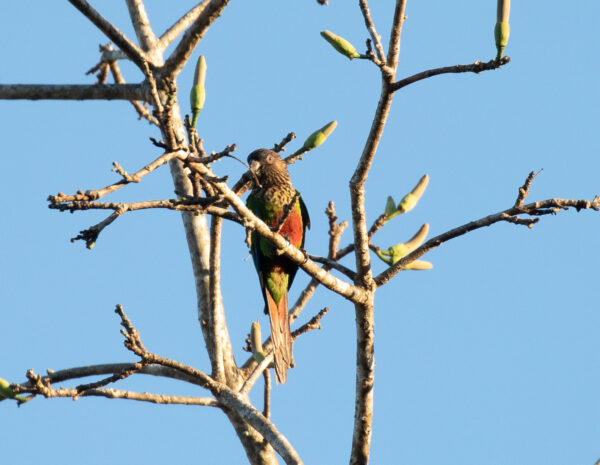
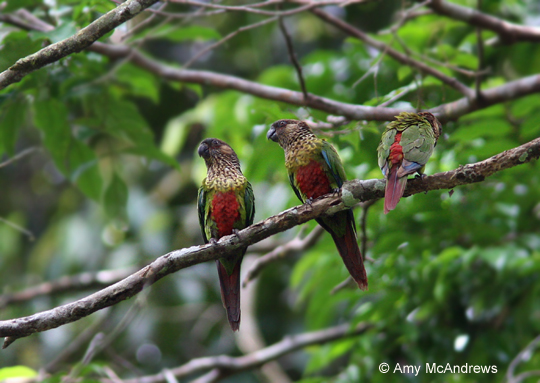
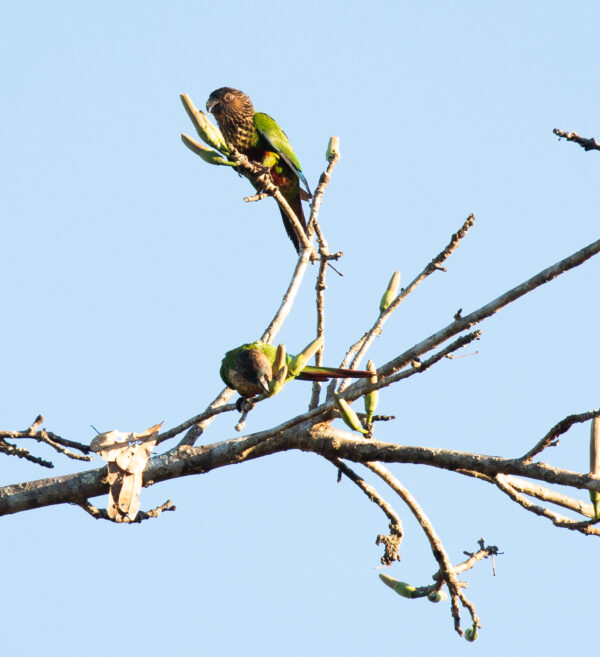
P. a. amazonum: Both adults crown to nape dark brown; blue band in front of eyes; frons and face dark red/brown; brown-buff ear coverts; grey-green upper breast with grey-buff scalloping; lower breast yellow-buff with scalloping; green wing bend; brown-red patch in center of abdomen; brown-red tail with green at base. Beak grey-black. Eye orange-brown, with bare grey eye ring.
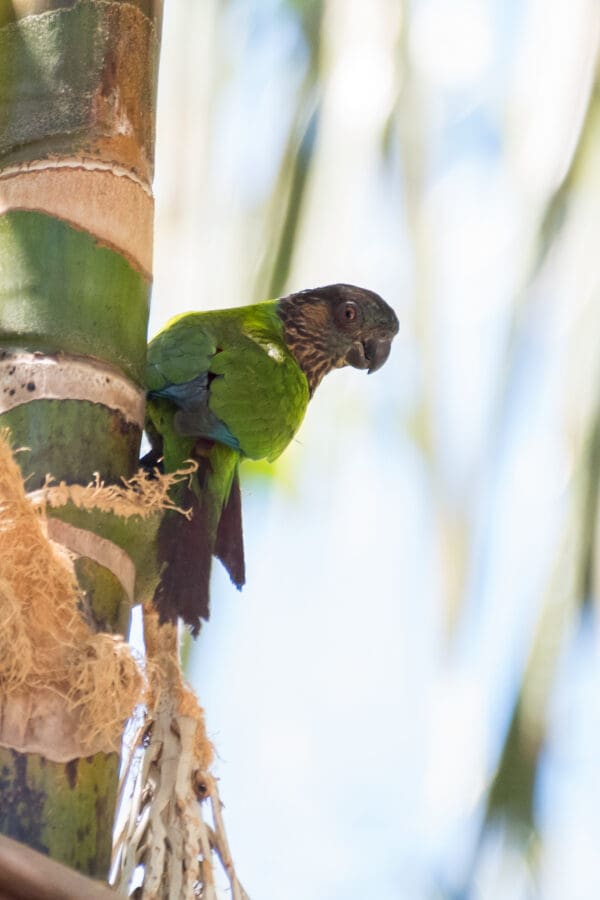
P. a. snethlageae: Both adults buff/white ear coverts; cream/buff upper breast, with dark brown feather shafts, and lower breast yellow/buff with feather shafts dark green; green bend of wing. Beak dark brown/grey. Eye ring bare and brown with yellow markings. Eye brown.
P.a. lucida: Adults somewhat smaller, have more pronounced bluish on forehead and brow and much cleaner whitish on lower bib.
Colour Juvenile:
P. a. amazonum: Juveniles duller than adults. Fine grey-white scalloping on breast. Brown-red patch less extensive on abdomen. Tail shorter. Eye-ring grey-white.
Call:
Calls made in flight described as coarse, rough and forceful; less harsh than that of other Pyrhurra sp.
More Information:
Content Sources:
AviList
BirdLife International
Cornell Lab of Ornithology/Birds of the World
Parrots of the World, Forshaw, 2006.
Vanished and Vanishing Parrots, Forshaw, 2017.
Captive Status:
Not recorded.
Longevity:
—
Housing:
—
Diet:
—
Enrichment:
—
Nest Box Size:
—
Clutch Size:
5-7
Fledging Age:
—
Hatch Weight:
—
Peak Weight:
—
Weaning Weight:
—
World Population:
Unknown, decreasing.
IUCN Red List Status:
Not Evaluated
CITES Listing:
Appendix II
As conspecific with Pyrrhura picta.
Threat Summary:
The primary threat is accelerating deforestation in the Amazon basin as land is cleared for cattle ranching and soy production. Over the past ten years, 11% of tree cover was lost within the range. As it has accelerated since 2016, the overall rate of habitat loss may currently be 22-23% over ten years. There is currently no evidence that trapping is a concern.
Range:
A.a. amazonum: Eastern Amazonia in northern Brazil, south of the Amazon from the west bank of the Rio TapajĂ³s east to the Rio Tocantins, and on the north bank of the Amazon opposite the mouth of the Rio TapajĂ³s.
A.a. snethlageae: Drainage of Rio Madeira (occurring on both banks), in Amazonian Bolivia and west-central Brazil.
A.a. lucida: Region of Rio Teles Pires at confluence with Rio Cristalino, and Rio Peixoto de Azuvedo, Mato Grosso, in west-central Brazil.
Habitat:
Found up to 600 m (1968 ft) in wooded habitats, including terra firme forest and edge, forested savannas, and seasonally flooded vĂ¡rzea.
Wild Diet:
Food items include fruits, flowers and seeds of Erythrina, Mauritia palms, Cecropia catkins, and Diptera larvae. Also, Goupia glabra, Trema micrantha, Bagassa guianensis and Euterpe oleracea.
Ecology and Behaviour:
Found in flocks of 5 to 12 birds. During breeding season seen in pairs and families. Flight is swift and direct. Birds visit watercourses each day to bathe, and have been seen bathing in spray from a nearby waterfall.
Clutch and Egg Size:
5-7 elliptical eggs, 26.5 x 19.0 mm (1 x 0.7 in).
Breeding Season:
Possibly September-November. Nest is in tree cavity.
Related Links:
—