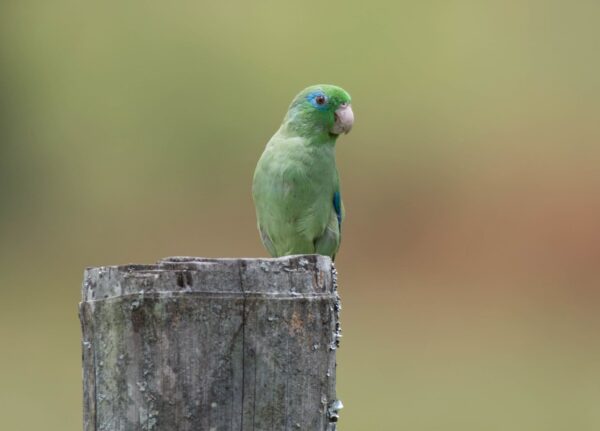
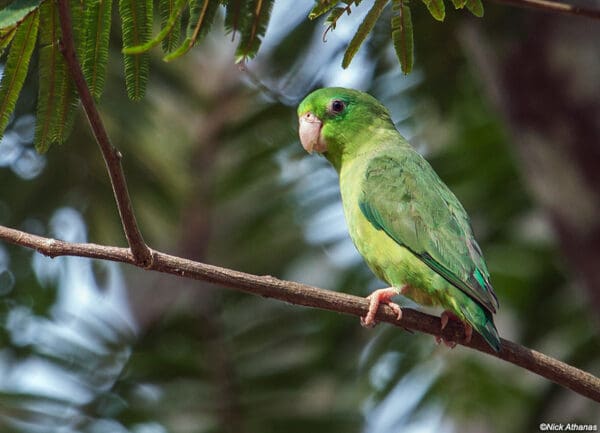
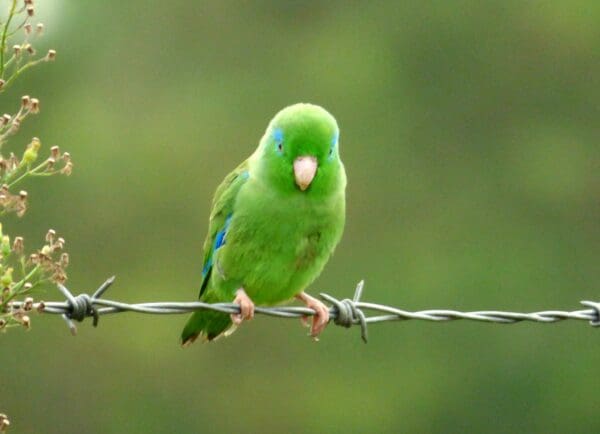
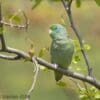
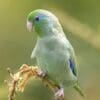
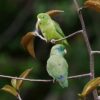
![©Nick Athanas [CC BY-SA 2.0] via Flickr A wild Spectacled Parrotlet perches on a branch](https://parrots.org/wp-content/uploads/2023/01/wpt_Spectacled-Parrotlet_1369-22-100x100.jpg)
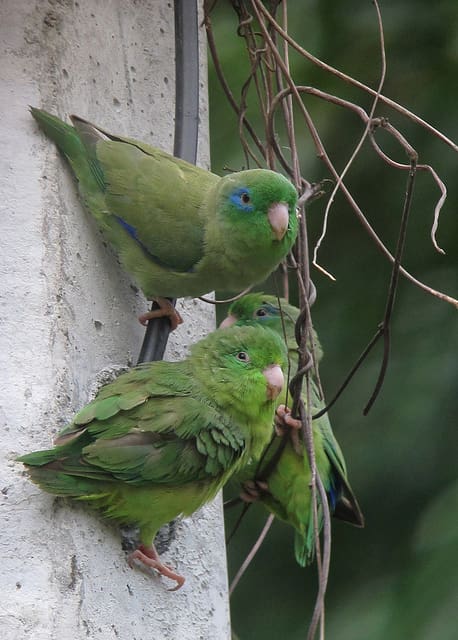
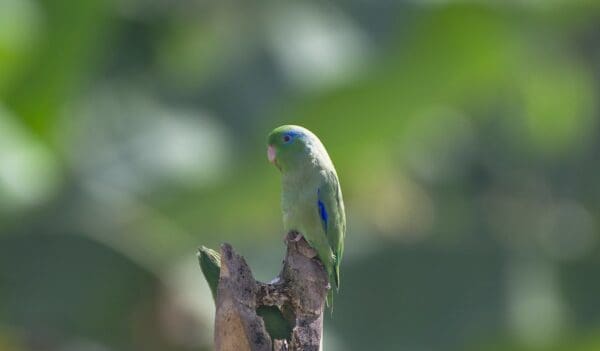
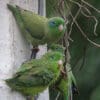
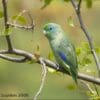
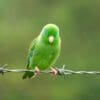
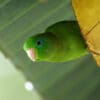
![© Felix Uribe [CC BY-SA 2.0] via Flickr Wild Spectacled Parrotlets cling to vines](https://parrots.org/wp-content/uploads/2023/01/wpt_Spectacled-Parrotlet_1369-18-100x100.jpg)
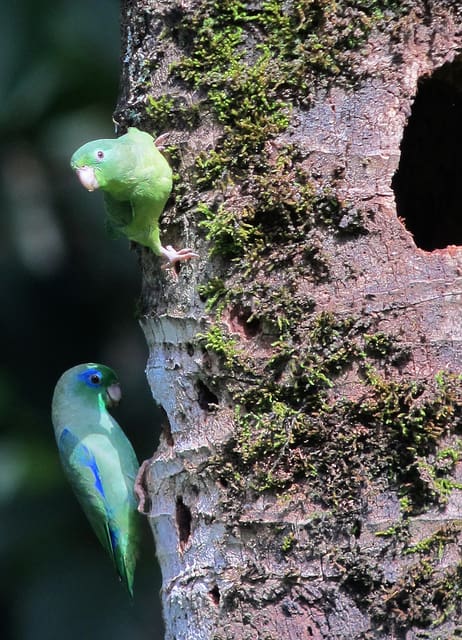
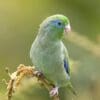
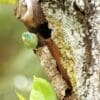
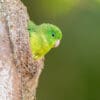
![© Felix Uribe [CC BY-SA 2.0] via Flickr Wild Spectacled Parrotlets cling to a mossy tree trunk](https://parrots.org/wp-content/uploads/2023/01/wpt_Spectacled-Parrotlet_1369-17-100x100.jpg)
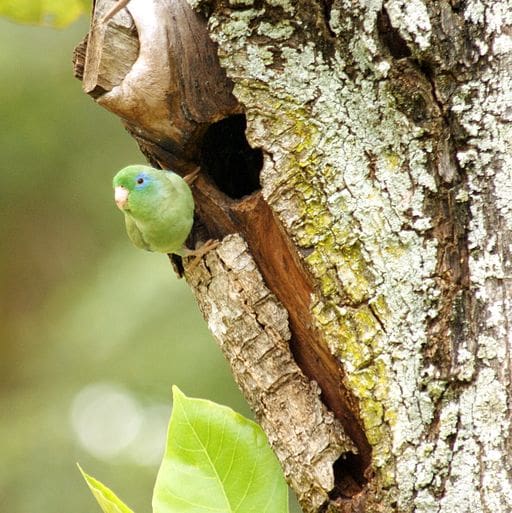
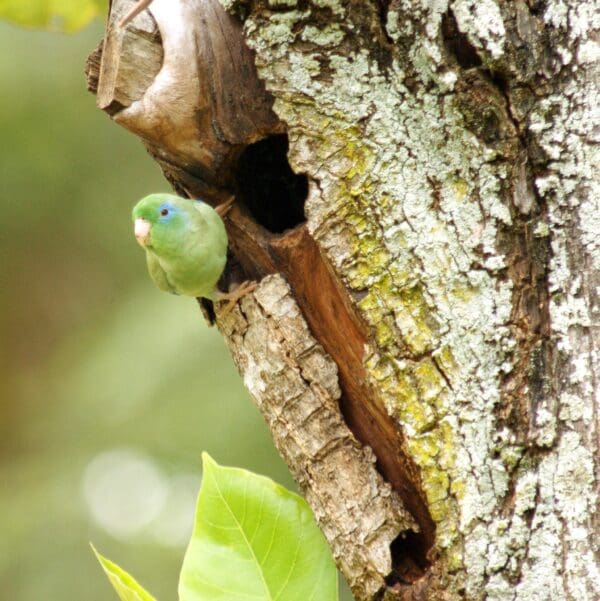
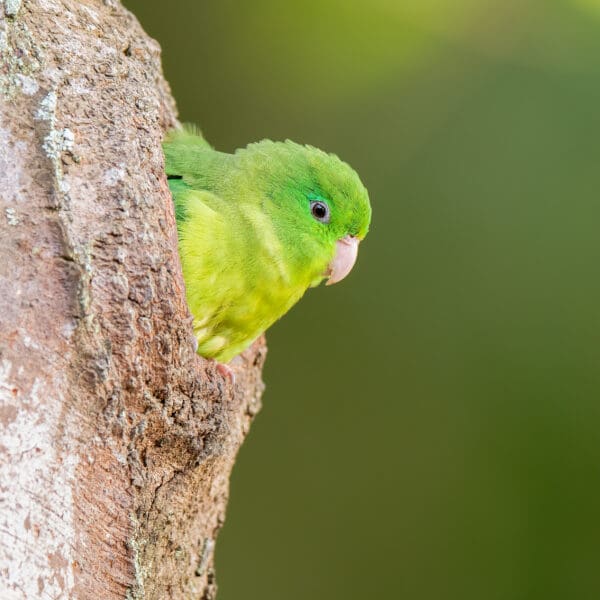
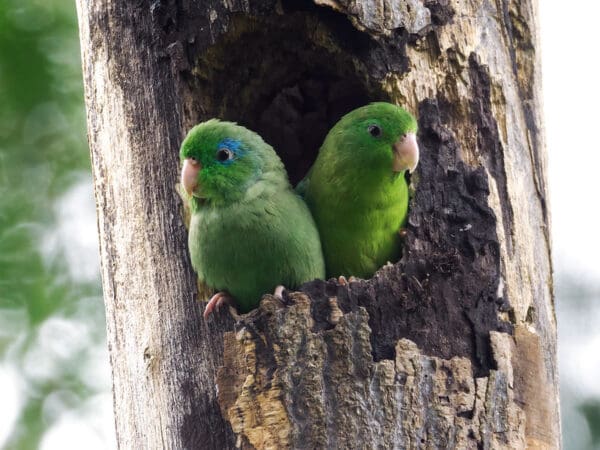
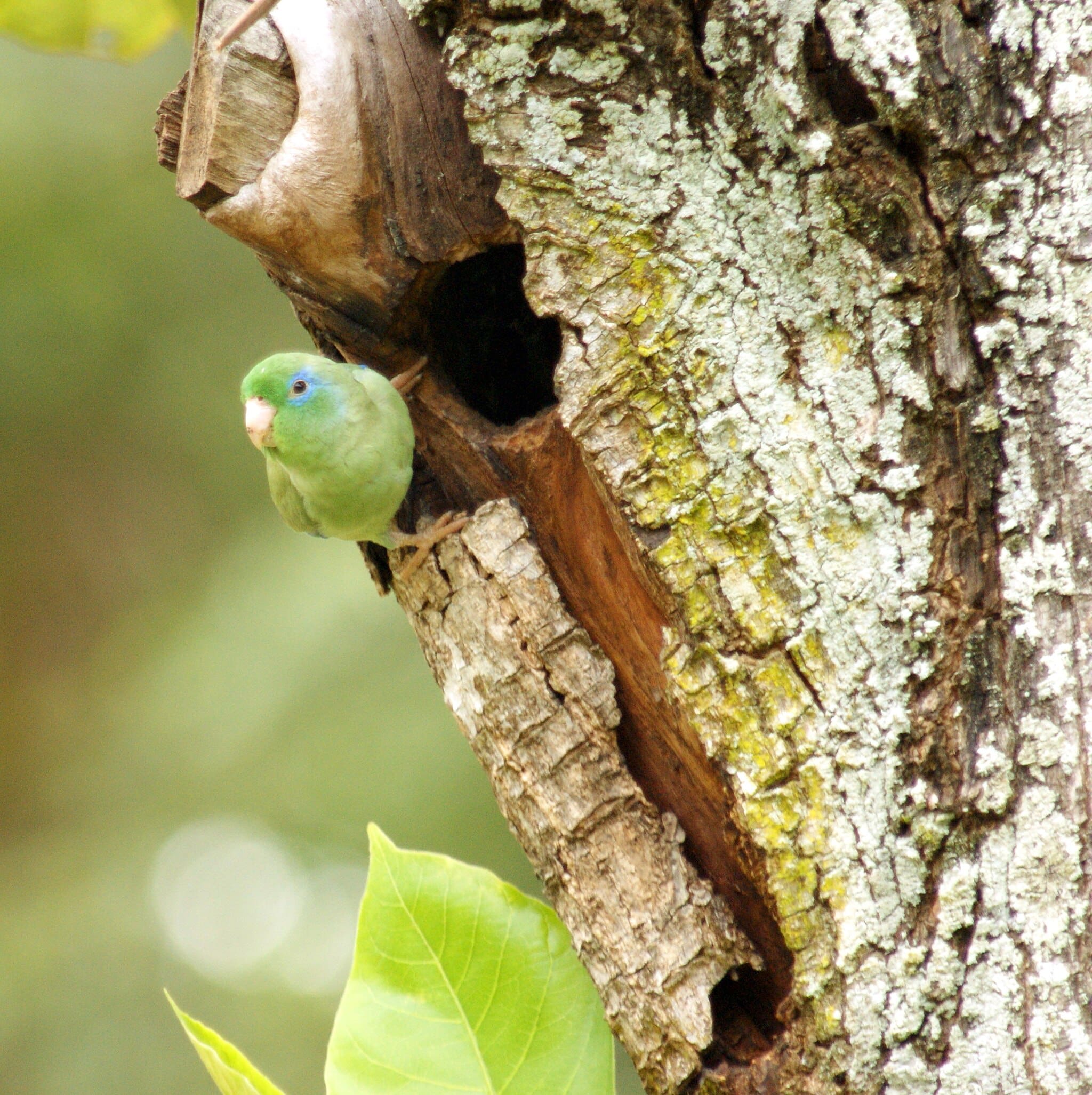
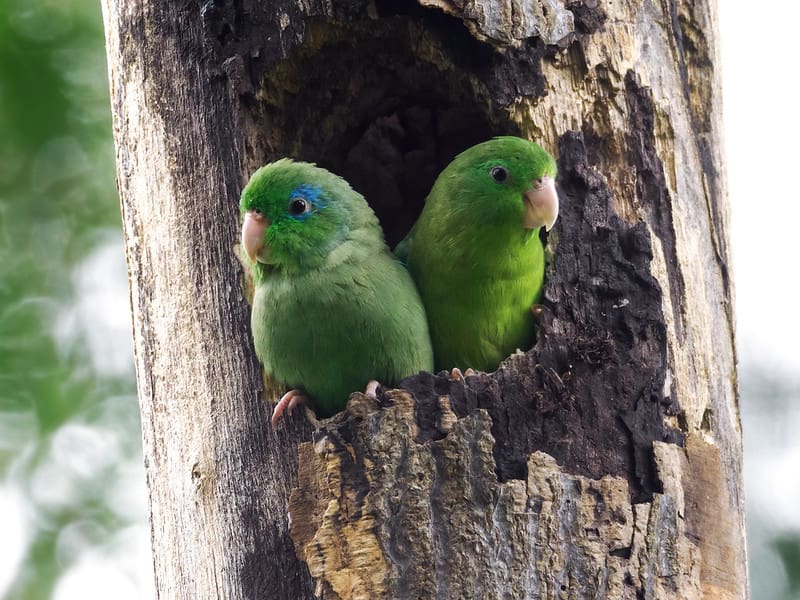
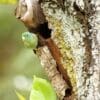
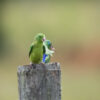
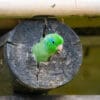
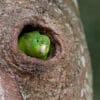
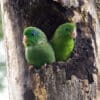
![© Rogier Klappe [CC BY 2.0] via Wikimedia Commons A wild Spectacled Parrotlet perches near a tree cavity](https://parrots.org/wp-content/uploads/2023/01/wpt_Spectacled-Parrotlet_1369-16-100x100.jpg)


Parrotlets are some of the world’s smallest parrots, along with pygmy and fig parrots.
Forpus

conspicillatus
Size:
12 cm (4.7 in)
Weight:
30 g (1 oz)
Subspecies including nominate:
three: F.c. conspicillatus, F.c. metae, F.c. caucae
Colour Adult:
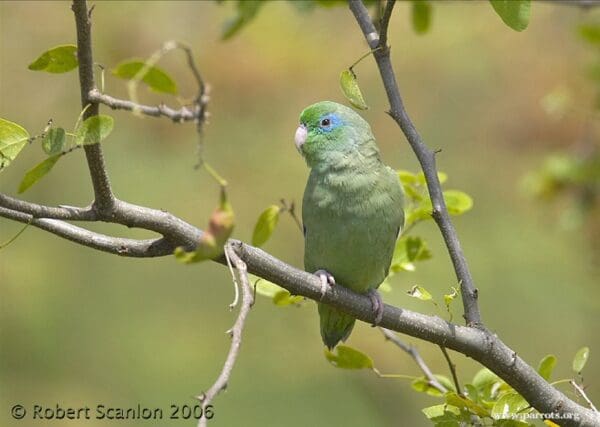
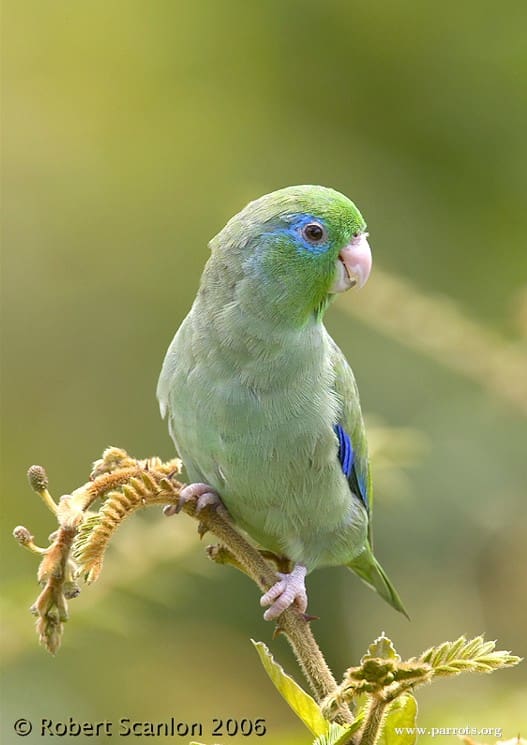
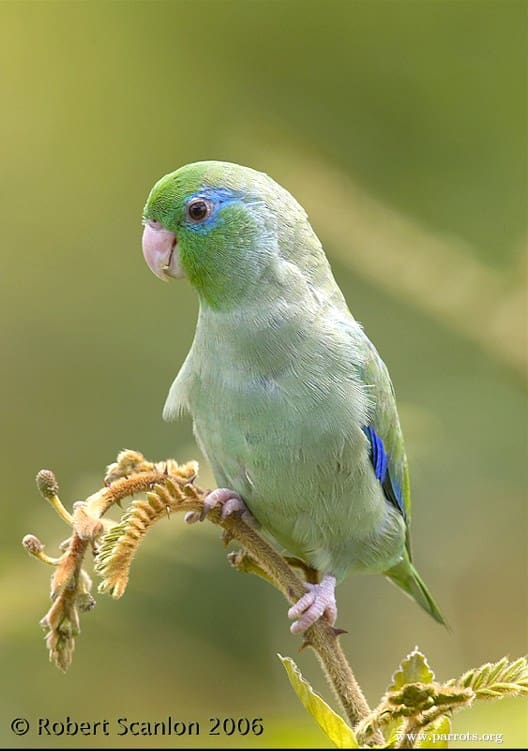
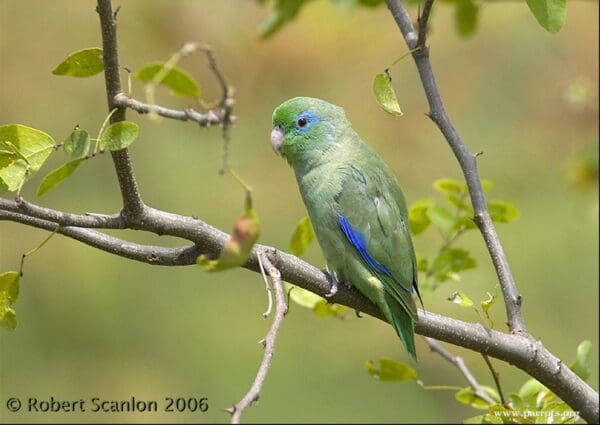
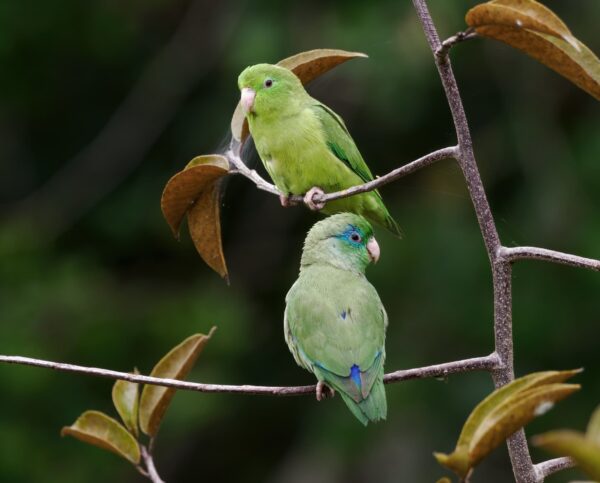
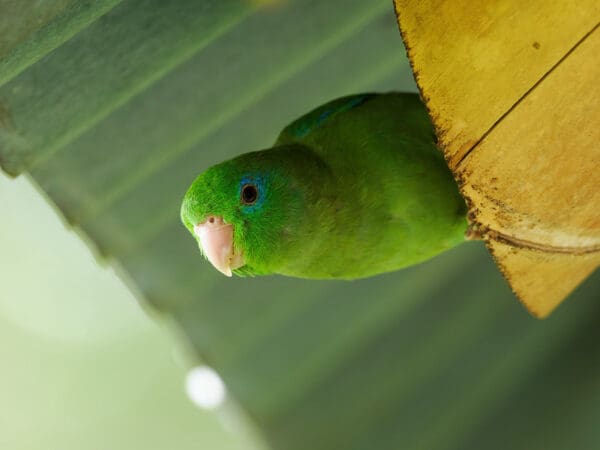
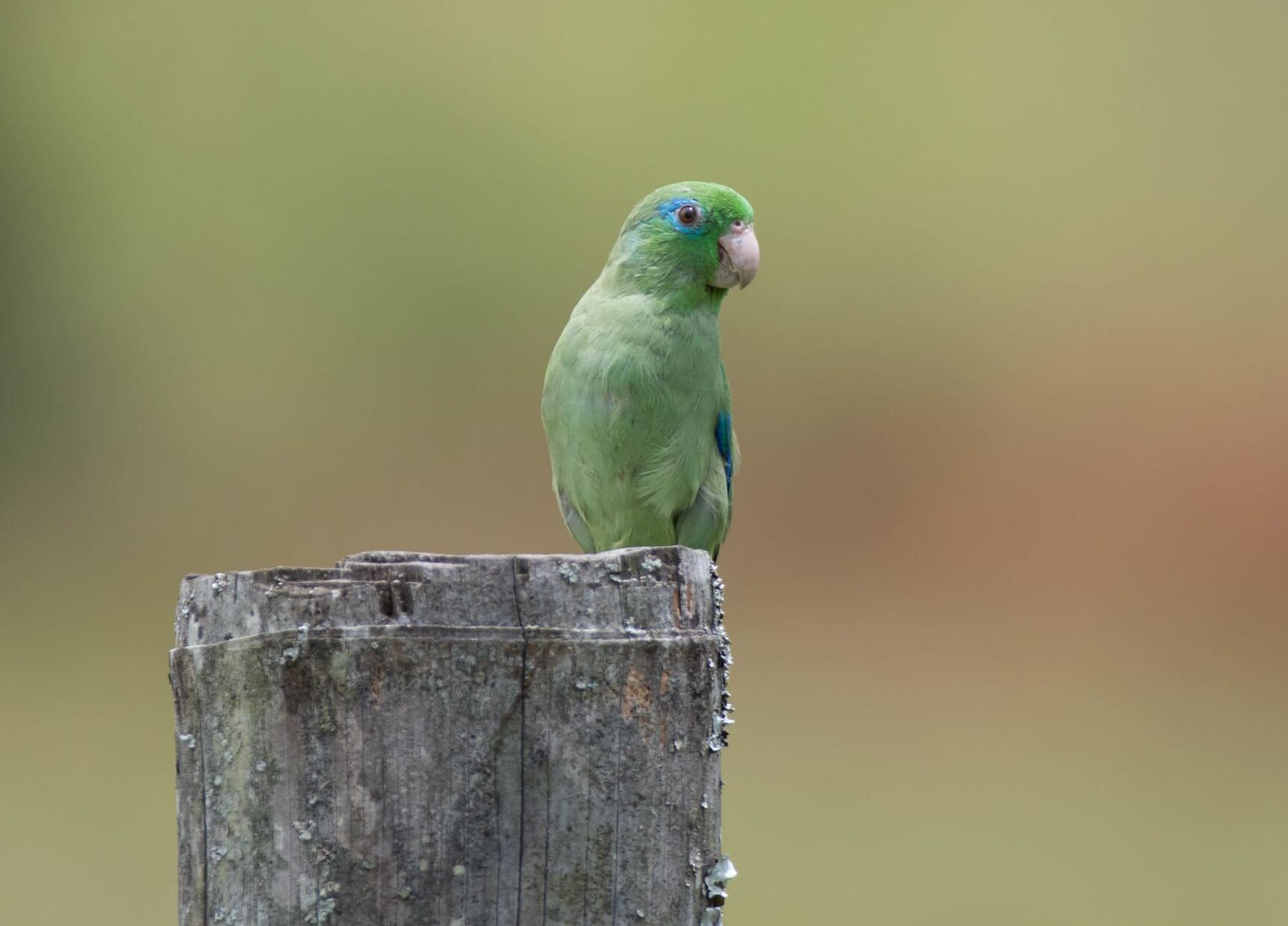
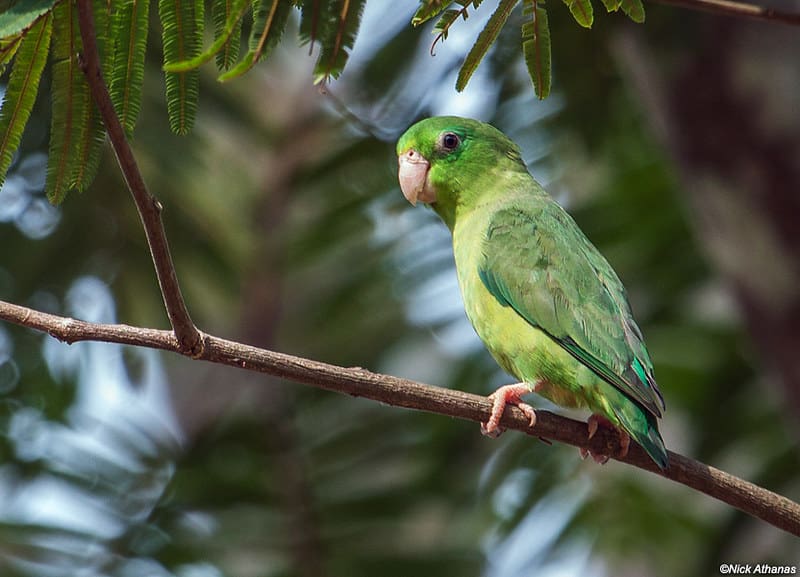
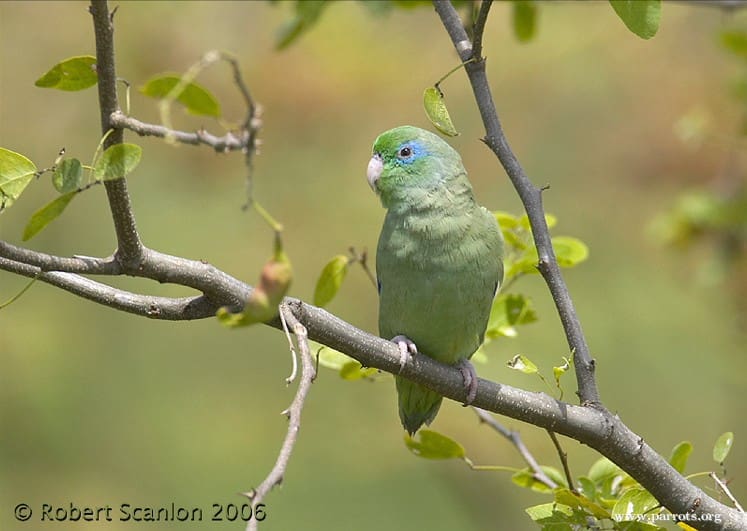
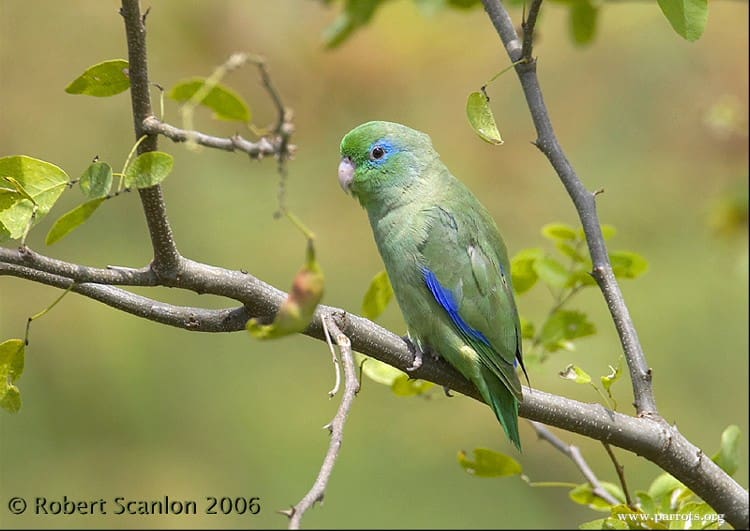
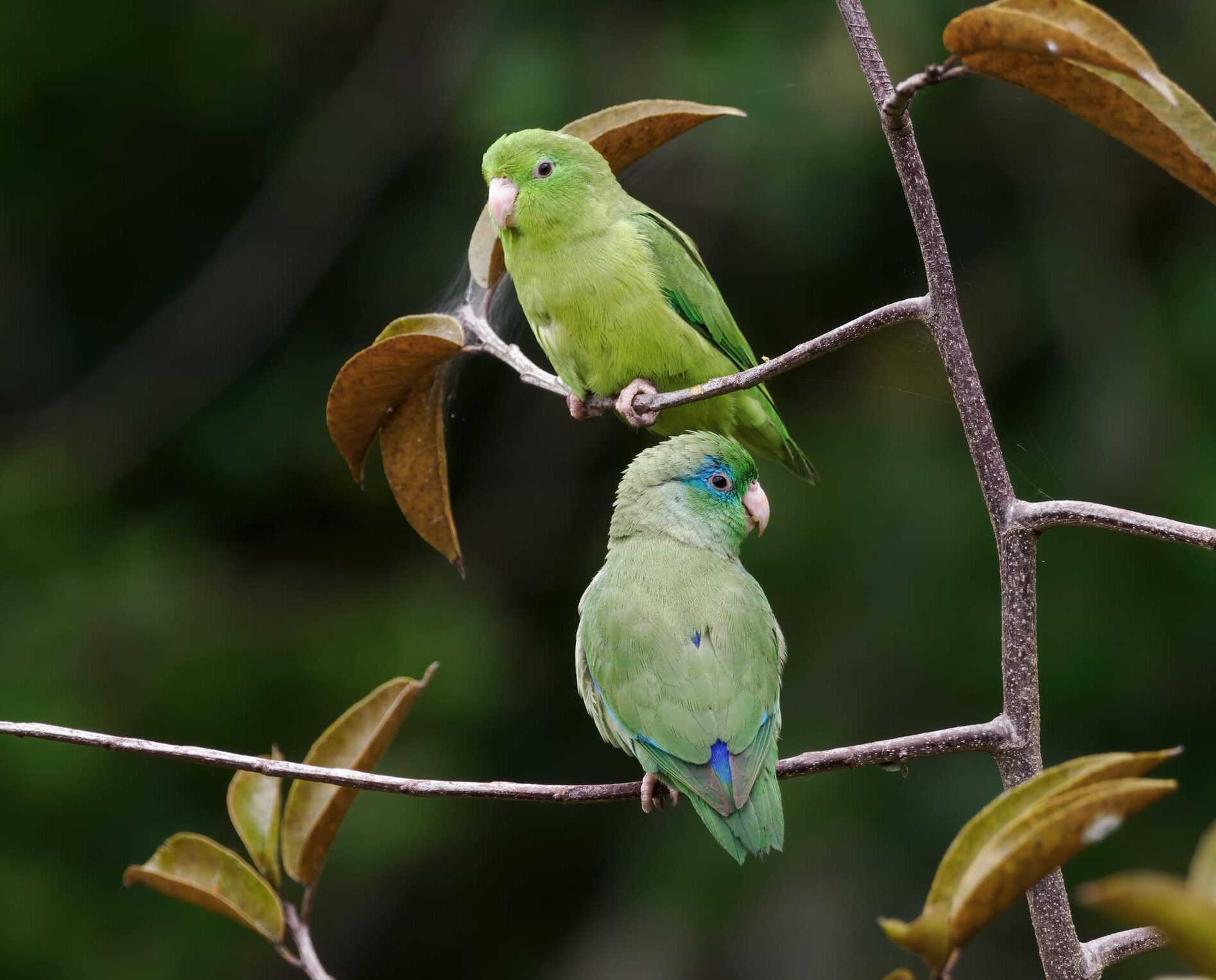
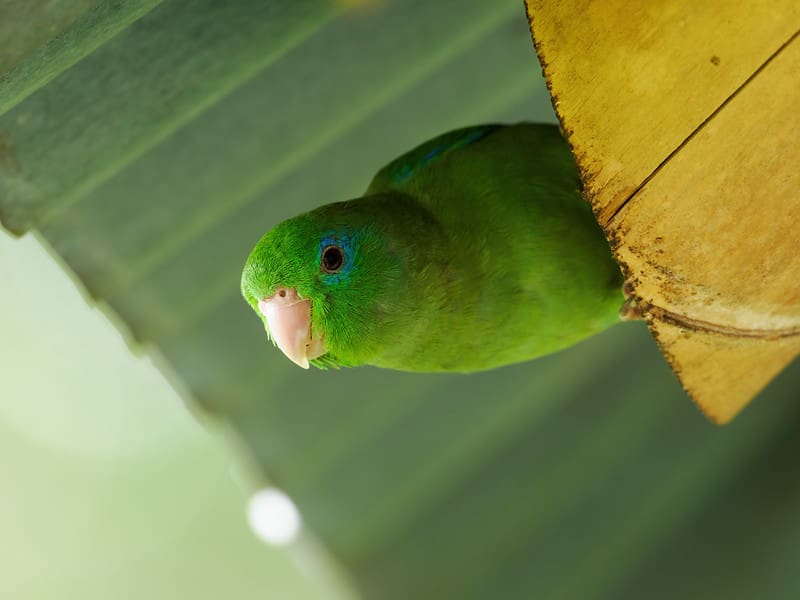
F.c. conspicillatus: Male-grey wash on breast; area around eye blue; purple/blue lower back, rump, bend of wing, carpal edge; purple/blue primary and secondary coverts, secondary feathers, underwing coverts and axillary feathers; green primary feathers, washed with purple/blue on innermost primary feathers. Beak horn coloured tinged with pink/brown. Eye dark brown/grey. Female-green replacing all blue markings; bright emerald green surrounding eye.
F.c. metae: Male-blue marking behind eye. Female-as in conspicillatus.
F.c. caucae: Male-paler blue on lower back, rump and upper and underwing coverts. Heavier, larger bill. Female-as in conspicillatus, but with heavier bill.
Colour Juvenile:
F.c. conspicillatus: As in adult female, but young males have green mixed in with purple/blue on rump, lower back and wing coverts.
Call:
Calls made in flight are buzzing and twittering notes.
More Information:
Content Sources:
CITES
BirdLife International
Cornell Lab of Ornithology/Birds of the World
Parrots: A Guide to Parrots of the World, Juniper and Parr, 1998
Parrots of the World, Forshaw and Cooper, 1977. 2010 edition
Parrots of the World, Forshaw, 2006.
Parrots in Aviculture, Low, 1992.
Psittacine Aviculture, Schubot, Clubb and Clubb, 1992.
Captive Status:
Common in some European countries, rare elsewhere.
Longevity:
25 yrs
Housing:
Indoor or outdoor cage or aviary, minimum length 1.2 m (4 ft).
Diet:
Seeds mix such as: canary, millet, and smaller amounts of oats, buckwheat, safflower and a little hemp; limited sunflower seed; spray millet; green leaves such as: Swiss chard, lettuce, sowthistle, dandelion, chickweed; seeding grasses; rearing food made from hard-boiled egg, wholegrain bread and carrot, all ground to crumbly consistency; complete kibble.
Enrichment:
Provide swings, ropes, ladders, bird-safe wooden chew toys, vegetable tanned leather toys, foraging/puzzle toys, unsprayed fir, pine, willow and elder branches and heat sterilized pine cones.
Nest Box Size:
Vertical box 6″ x 6″ x 6″ (15.2 cm x 15.2 cm x 15.2 cm).
Clutch Size:
4-6
Fledging Age:
5 weeks
Hatch Weight:
—
Peak Weight:
—
Weaning Weight:
—
World Population:
50,000-500,000 individuals, moderately decreasing.
IUCN Red List Status:
Least Concern
CITES Listing:
Appendix II
Threat Summary:
Has been affected by some habitat destruction and illegal trade in Venezuela and is fairly uncommon in Panama. In Colombia the species has benefited from forest clearance. The wild population is undergoing a moderate decline.
Range:
F.c. conspicillatus: Eastern Panama, west to upper Rio Bayano, and north-central Colombia (northern Antioquia to Cesar and Magdalena Valley)
F.c. metae: Eastern slopes of Cordillera Oriental in Boyaca, Cundinamarca, and Meta, central Colombia, and east through Vichada and Casanare to western Venezuela, along Rio Meta in western Apure.
F.c. caucae: Western Colombia (from middle Cauca Valley south to southwestern Nariño).
Habitat:
Found up to 1800 m (5905 ft), occasionally to 2600 m (8530 ft), in lightly wooded habitats such as lowland evergreen forest edge, thorn scrub, llanos, gallery woodland and cultivated areas with scattered trees, venturing into denser forest where there are clearings with scattered trees.
Wild Diet:
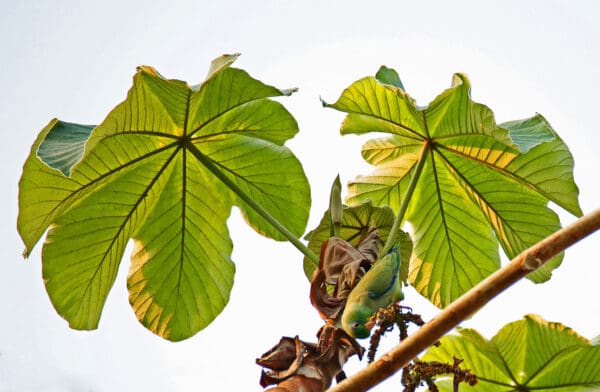
Feeds on grass and weed seeds on the ground, as well as fruit, berries, blossoms and buds.
Ecology and Behaviour:
Social outside of breeding season. Forms communal roosts for the night. Feeds on the ground and in vegetation.
Clutch and Egg Size:
4-6 spherical to elliptical eggs, 18.0 x 16.0 mm (0.7 x 0.6 in).
Breeding Season:
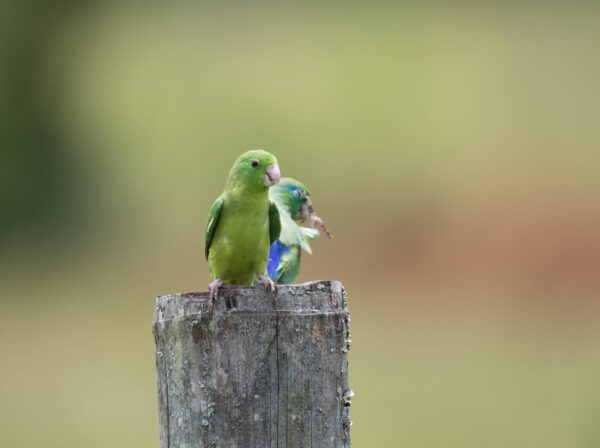
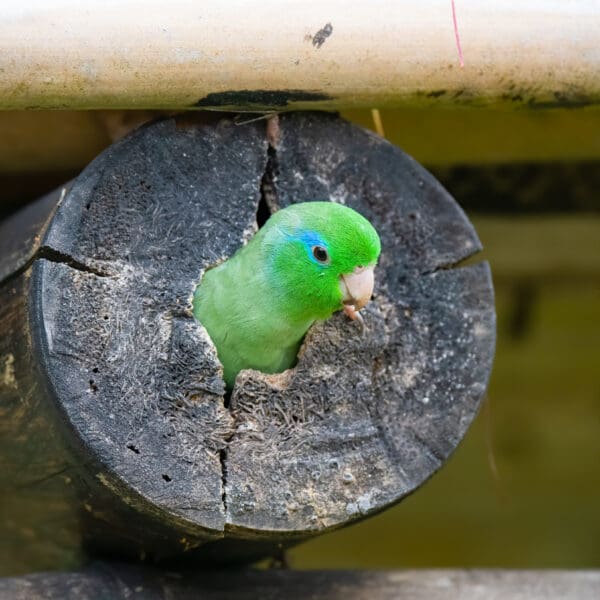
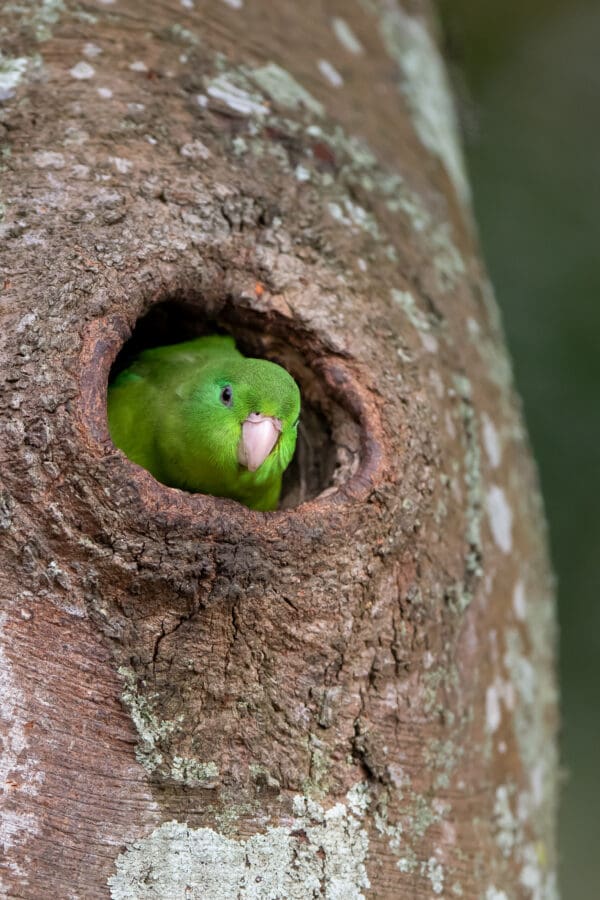
December-March; nest is in old stump, termitarium or fence post.