Also known as:
Corella, Western Long-billed Corella or Cockatoo, Dampier's Cockatoo, Muir's Corella (C.p. pastinator), White Cockatoo (Western Australia)
Also known as:
Corella, Western Long-billed Corella or Cockatoo, Dampier's Cockatoo, Muir's Corella (C.p. pastinator), White Cockatoo (Western Australia)
Birds from the north favour double-gee (Emex australis), a weed pest; ironically this species is itself considered a pest.

Cacatua

pastinator
Size:
45 cm (17.5 in)
Weight:
700-860 g (24.5-30.1 oz)
Subspecies including nominate:
two: C.p. pastinator, C.p. derbyi
Colour Adult:
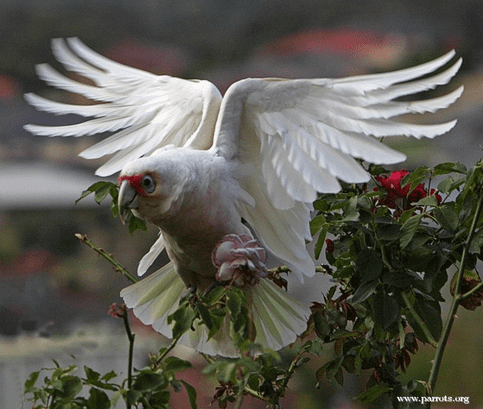
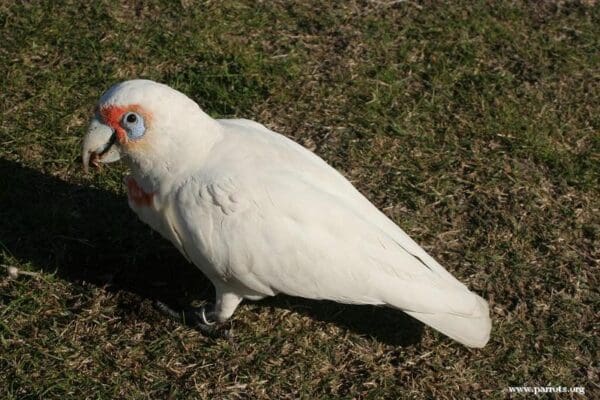
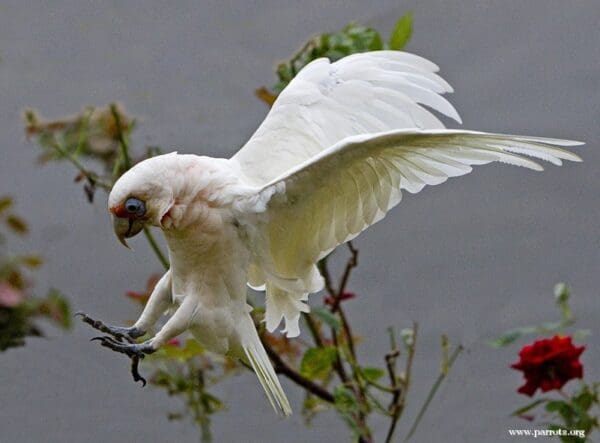
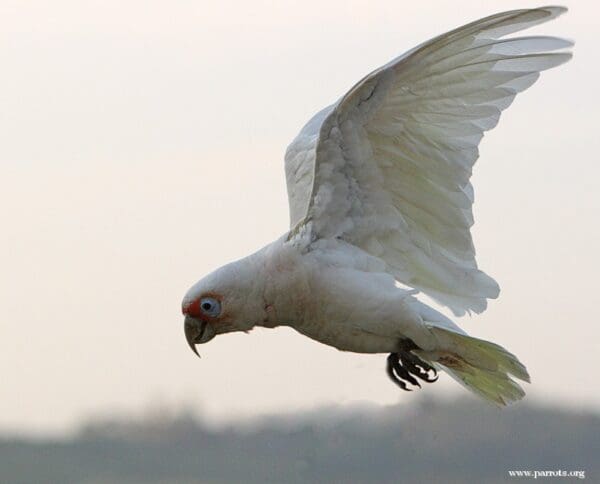
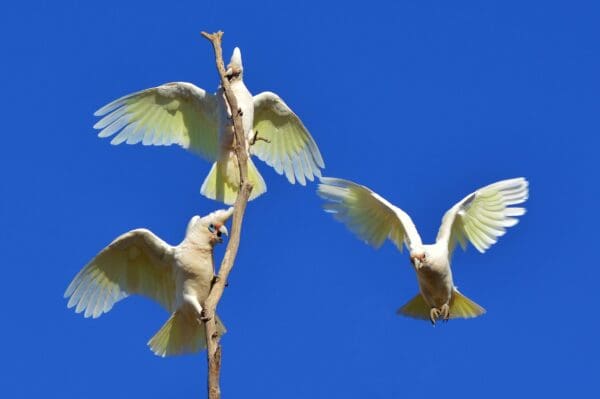
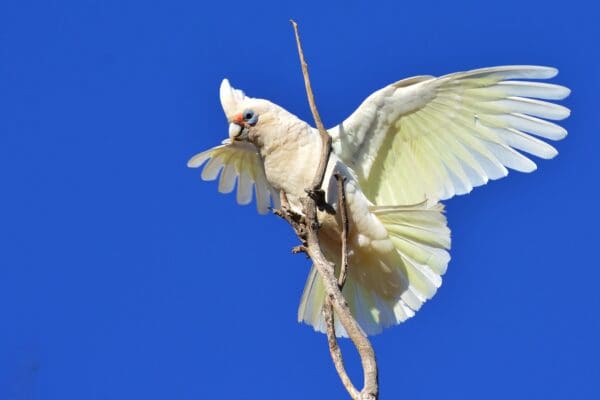
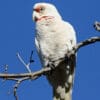
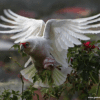
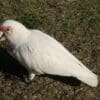
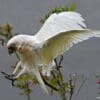
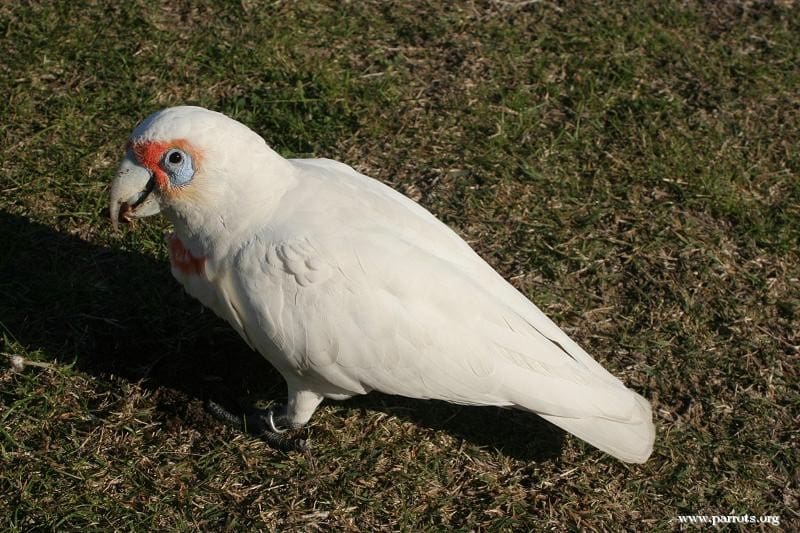
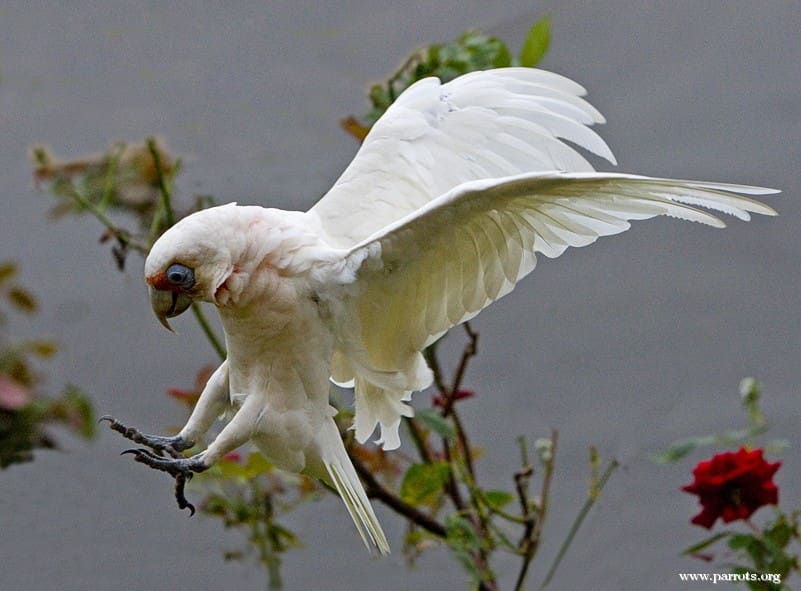
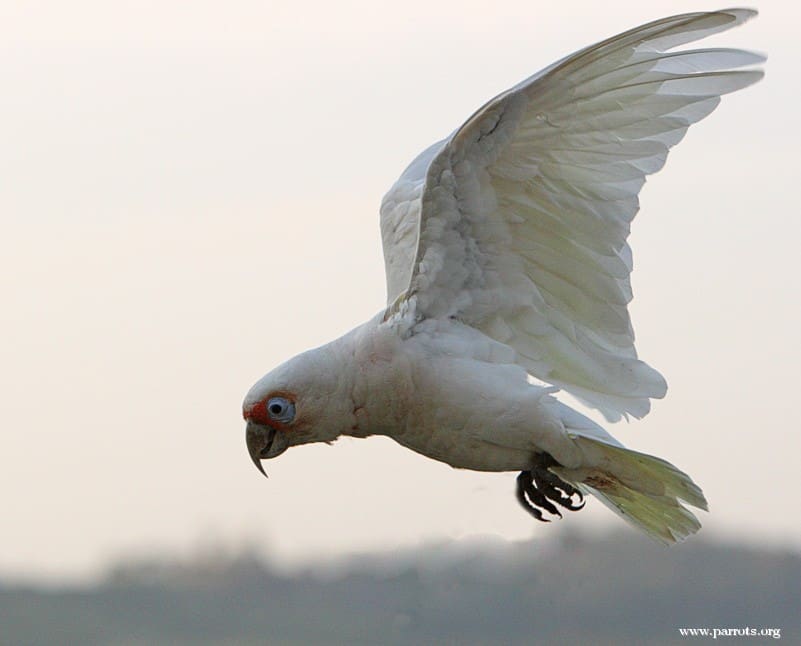
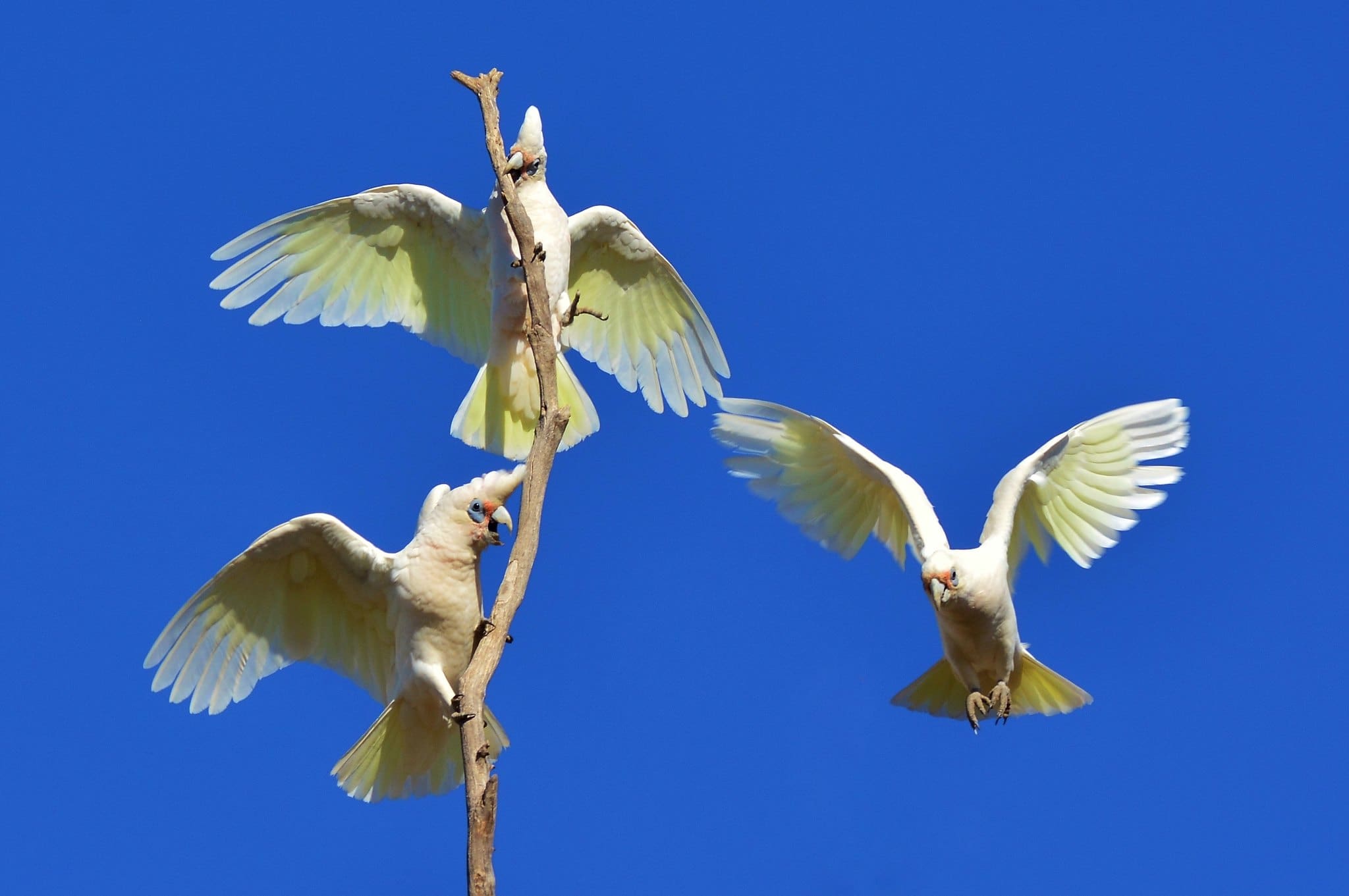
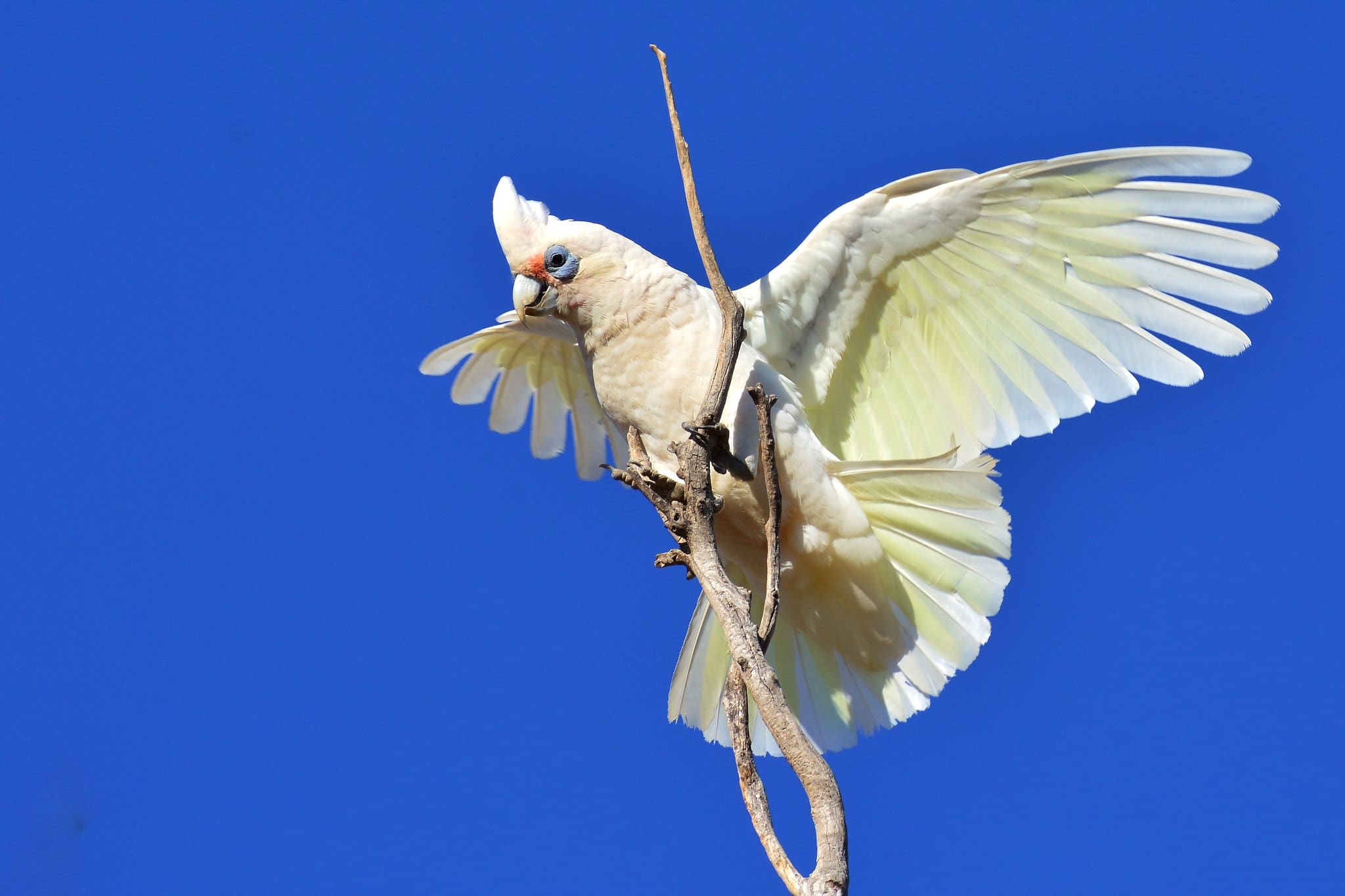
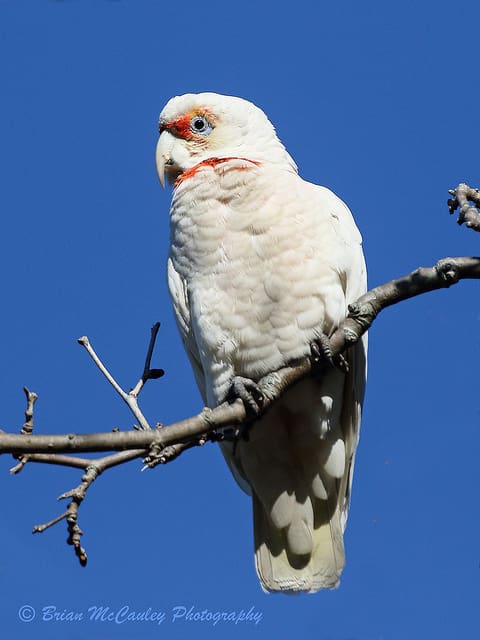
C.p. pastinator: Both adults in general white with orange/red lores; bases of feathers on head and mantle down to flanks washed with pink/orange. Eye ring bare and grey/blue, more extensively beneath the eye. Eye dark brown.
C.p. derbyi: Both adults as in pastinator but smaller in size.
Colour Juvenile:
C.p. pastinator: As in adult but minimal orange/red on lores; pale yellow feather bases of back to rump and lower underparts. Eye ring bare but paler in colour, with a hint of pink under eye. Shorter upper mandible.
Call:
Described as chuckling with three notes; similar to Little Corella, also shorter disyllabic call, with the second tone being more high pitched. Gives shrill shrieks and screeches when agitated.
More Information:
Content Sources:
CITES
BirdLife International
Cornell Lab of Ornithology/Birds of the World
Parrots: A Guide to Parrots of the World, Juniper and Parr, 1998
Parrots of the World, Forshaw and Cooper, 1977. 2010 edition
Parrots of the World, Forshaw, 2006.
Parrots in Aviculture, Low, 1992.
Captive Status:
Rare
Longevity:
May live more than 50 yrs.
Housing:
Walk-in enclosure, minimum length 4.5 m (14.7 ft).
Diet:
Mix of small seeds such as: canary, oats, safflower, millet spray; limited soaked, dry or sprouted sunflower; sprouted beans and pulses, cooked butterbeans and lentils; green leaves such as: Swiss chard, lettuce, sowthistle, dandelion, chickweed, and others; vegetables such as: corn, carrot, celery, zucchini, squash, green beans and peas in the pod; fruit such as: apples, oranges, pears, bananas, cactus fruits and others; nuts such as: walnuts, hazelnuts, pecans and roasted peanuts; complete pellet.
Enrichment:
Provide lots of wood and vegetable tanned leather bird-safe chewable items (fir, pine, willow or elder, sterlized pine cones).
Nest Box Size:
90 cm (35.1″) log with internal diameter of 35 cm (13.6″).
Clutch Size:
3 to 5
Fledging Age:
8 weeks
Hatch Weight:
—
Peak Weight:
—
Weaning Weight:
—
World Population:
Unknown, increasing; C. p. pastinator estimated at 3000.
IUCN Red List Status:
Least Concern
CITES Listing:
Appendix II
Threat Summary:
In the past, threats have included shooting and poisoning by farmers; this is now prohibited. The population is suspected to be increasing as ongoing habitat degradation is creating new areas of suitable habitat.
Range:
C.p. pastinator: Deep south of southwestern Australia, mainly around Lake Muir and Unicup Nature Reserve.
C.p. derbyi: Northern wheatbelt of west Western Australia from Geraldton and Mullewa, south to east of Perth.
Habitat:
Occurs in open, grassy forest, Eucalyptus woodland along rivers and farmland with large trees and watering holes. It has also been seen in mulga and mallee areas, and around towns and gardens.
Wild Diet:
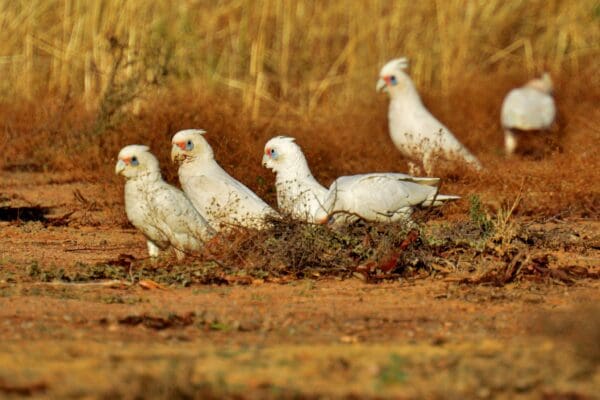
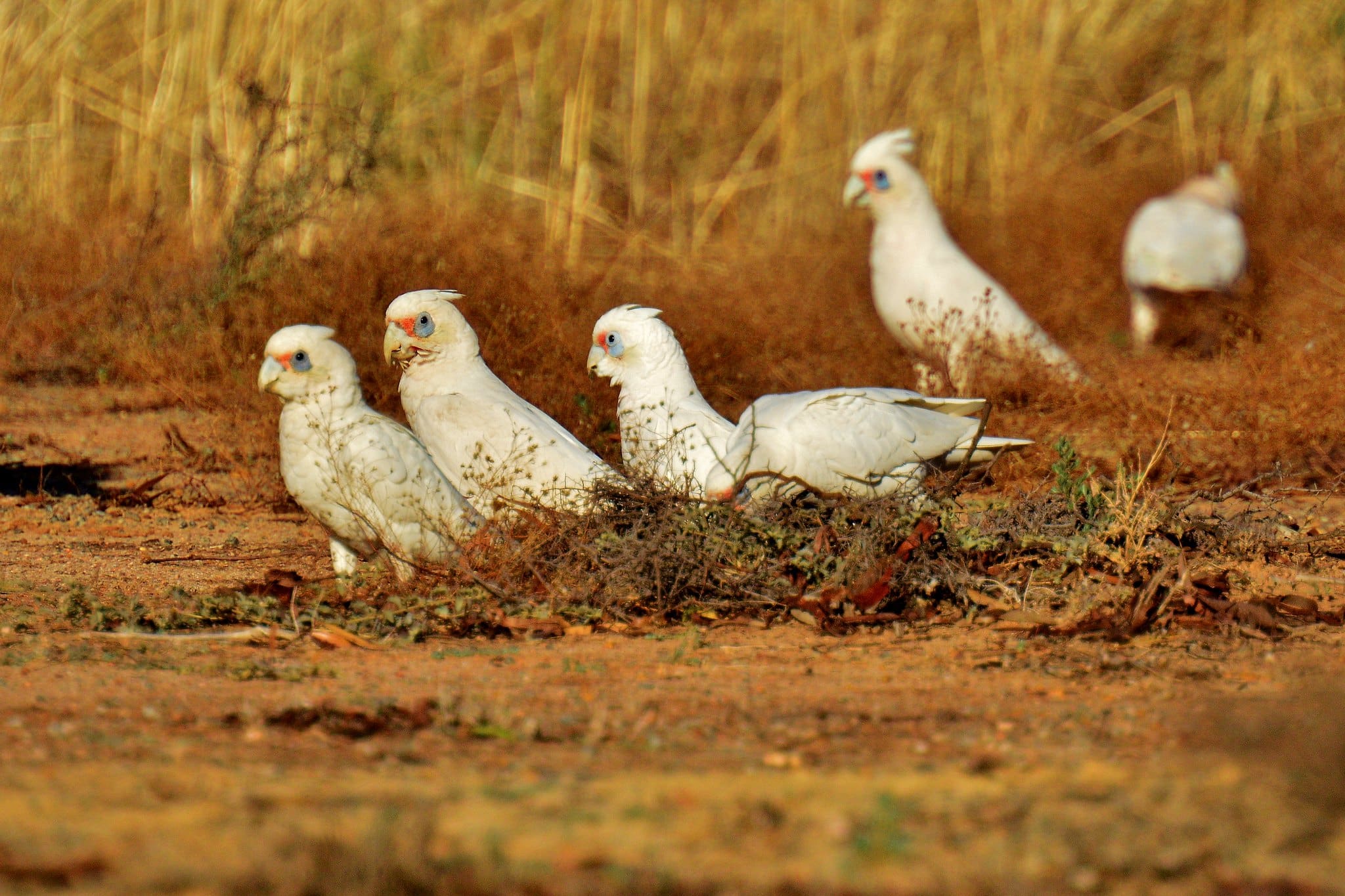
Eats corms, roots, seeds; also takes insects and their larvae. Feeds on a variety of native plants, such as Drosera; this food source became rare following European settlement and was replaced by cereal grains such as Avena sativa, Triticum aestivum, rice and millet, native grasses Poa annua and exotic weeds, Emex australis and Romulea rosea. Birds also dig up germinating cereals and eat grain from both standing crops and from the ground.
Ecology and Behaviour:
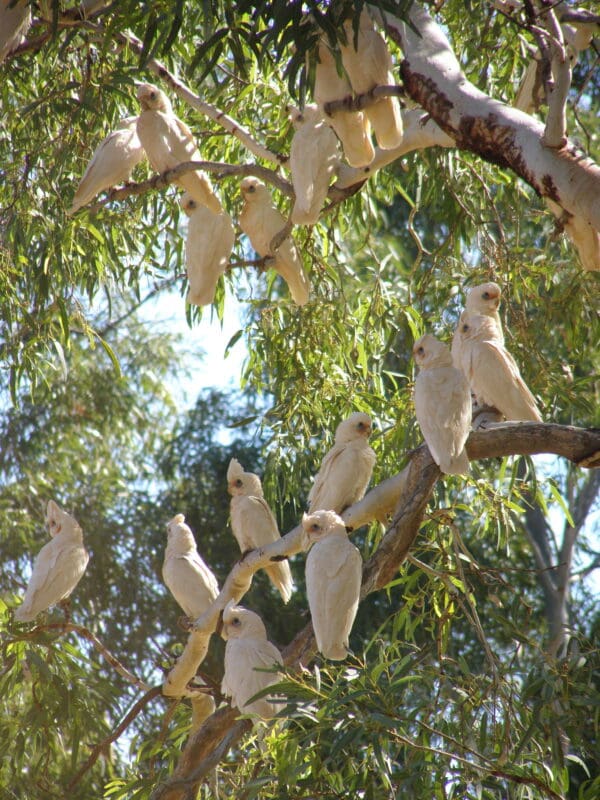
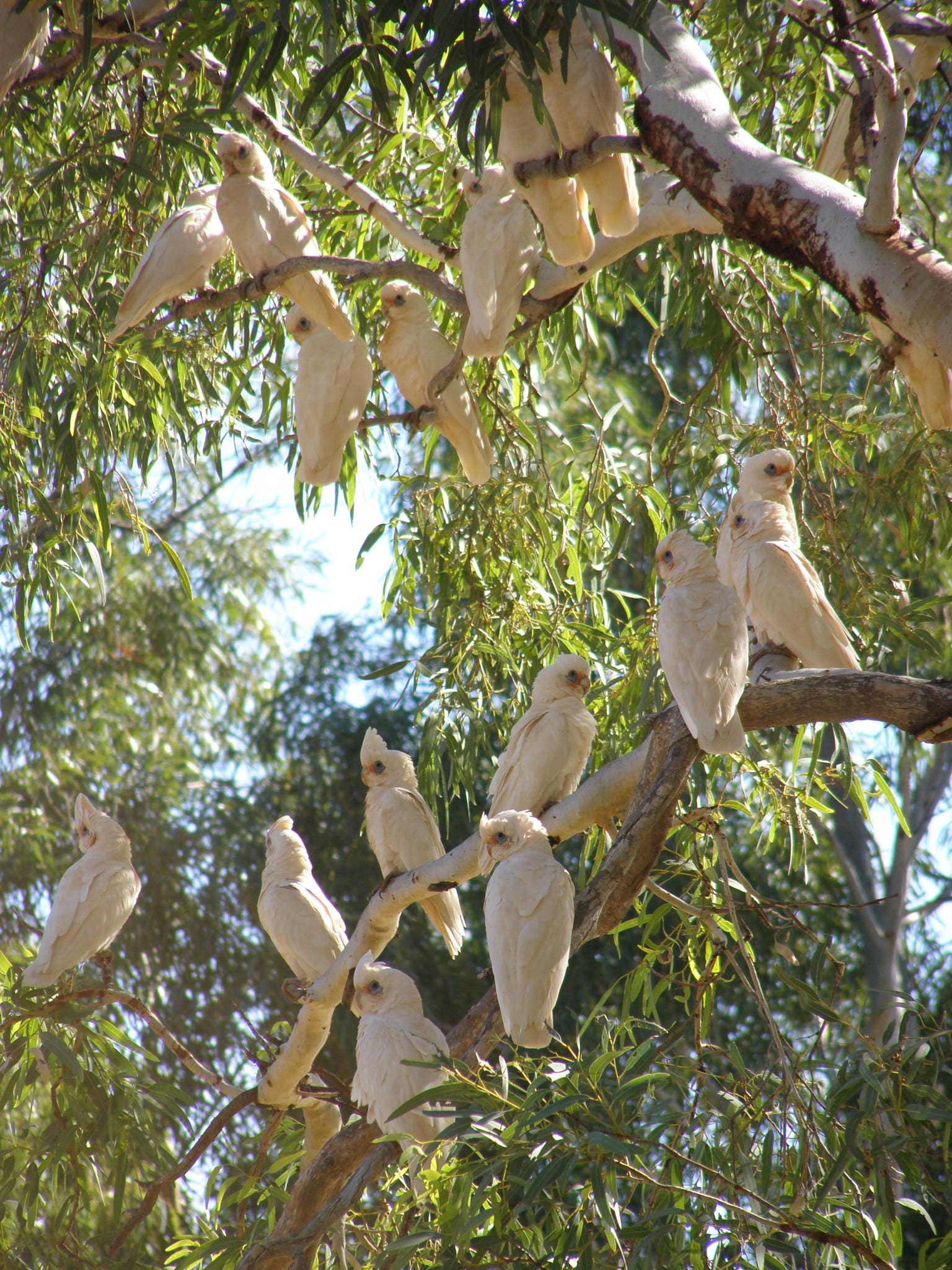
May be found feeding with Galahs. Outside the breeding season large flocks gather in feeding and watering areas. Reach breeding age at 3 to 5 years.
Clutch and Egg Size:
3 to 5 ovate eggs, 33.0 x 25.0 mm (1.3 x 1 in).
Breeding Season:
July-October; nest is in tree cavity.
Related Links:
—