

New study guides to conservation of African Grey parrots in Nigeria
Conservation efforts for any species depend heavily on reliable data that provide insights into population trends, habitat use, and threats affecting the species within and outside the range. Prior to 2018, such information for the Endangered Grey Parrot in Nigeria was limited and largely outdated. To address this gap, a major conservation study was supported through a grants from the Critical Ecosystem Partnership Fund (Grant No. CEPF-109686) and the Minnesota Zoo Foundation (Ulysses S. Seal Conservation Grants Programme).
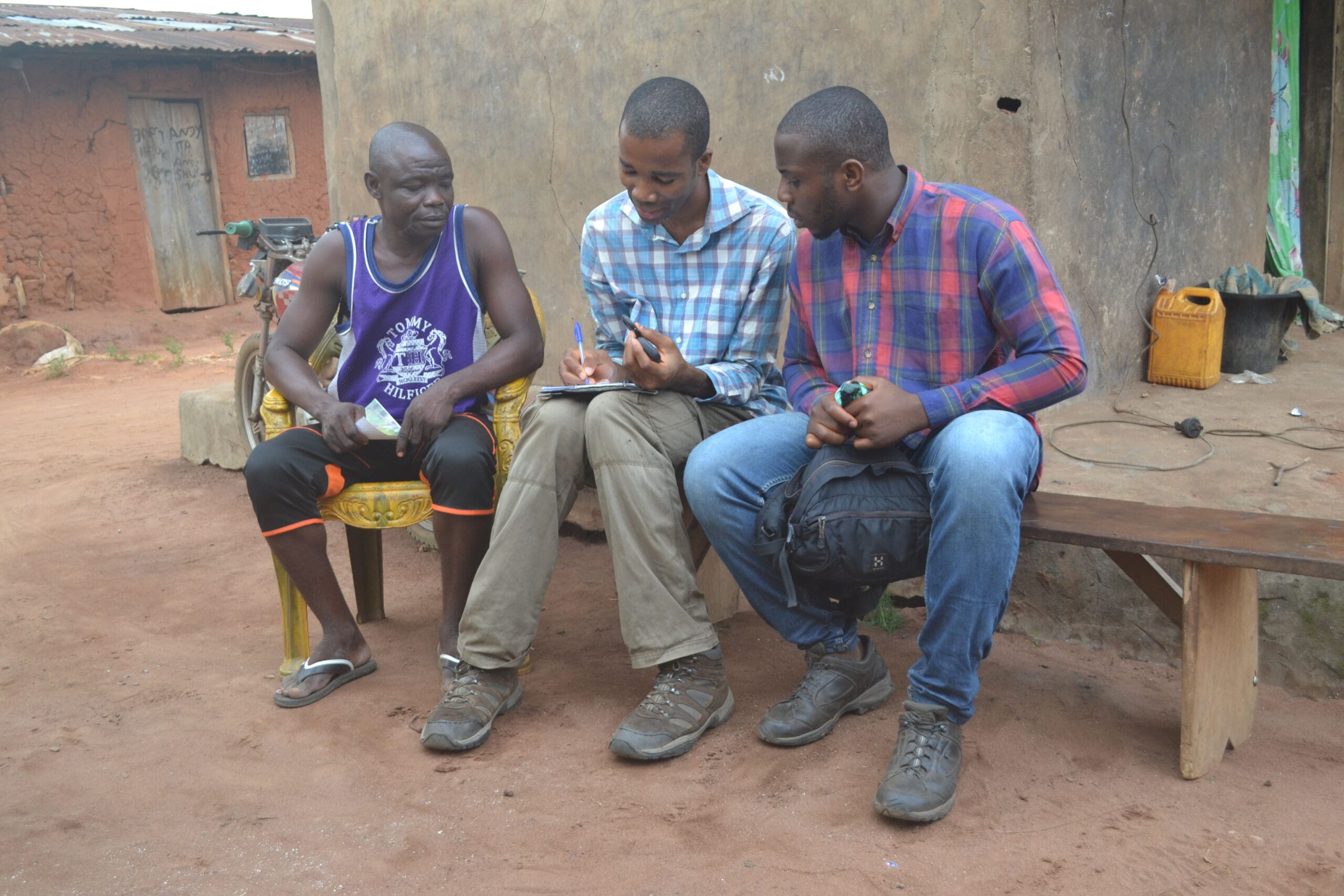
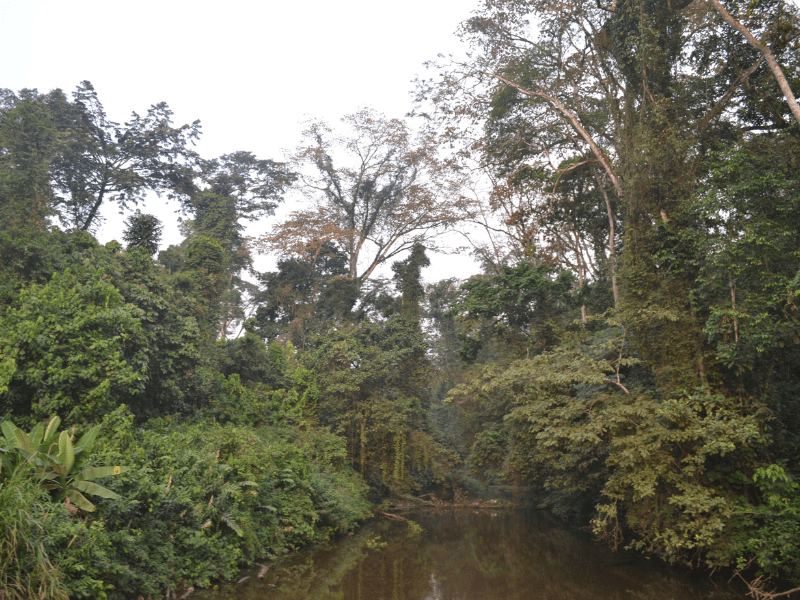
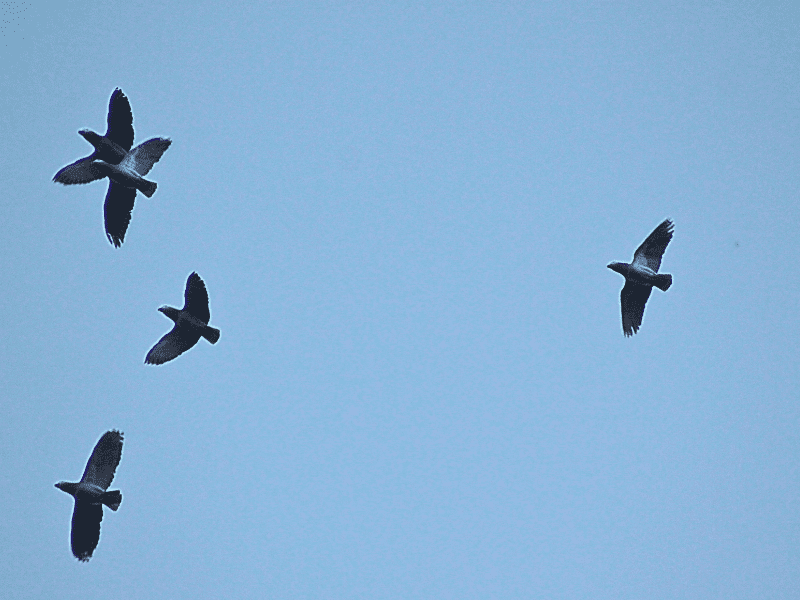
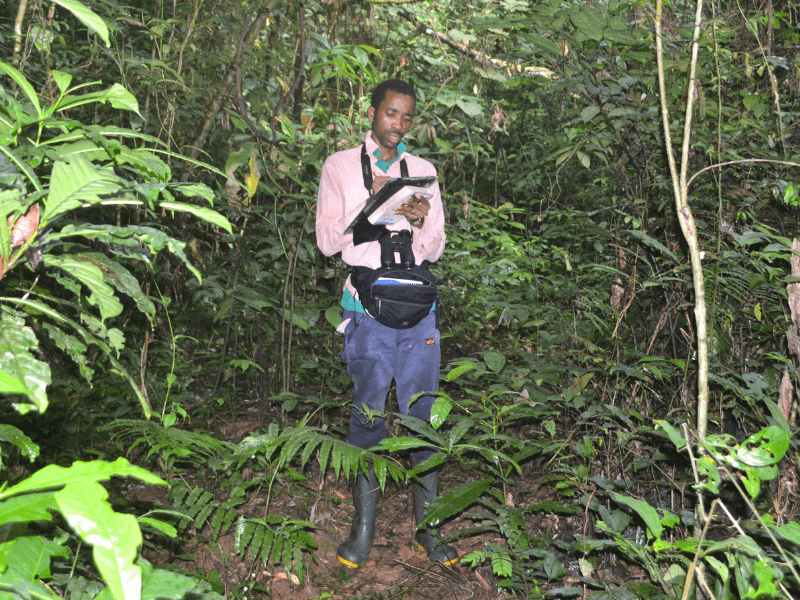
The study involved extensive field surveys conducted across 28 sites within the Grey Parrot range in Nigeria. Using line transect surveys alongside interviews with 228 local residents, the study assessed the status and threats to Grey Parrots throughout their historical range. The findings revealed that although Grey Parrots are still present in several important strongholds, they continue to face significant pressure from trapping, hunting, and habitat loss across much of the surveyed area. More than two-thirds of respondents reported noticeable declines in parrot populations over the past two decades, while surveys at several former communal roosting sites suggest that the species has disappeared from places where it was once common. The study also showed that Grey Parrot abundance in inland forests and mangrove ecosystems changes seasonally, highlighting the importance of landscape-scale conservation approaches that protect both breeding and foraging habitats.
This research was recently published in Bird Conservation International under the title “Spatial variation in abundance and threats informs conservation approaches for Endangered Grey Parrots Psittacus erithacus in Nigeria.” however many of the findings have already been guiding parrot conservation in Nigeria.

Preliminary results were presented and discussed during a national multi-stakeholder workshop that brought together representatives from government wildlife agencies, non-governmental organisations, academic institutions, agro-industries, and civil society groups. The recommendations developed during this workshop have since become an important foundation for Grey Parrot conservation planning in Nigeria. The project also contributed to building the capacity of an early-career conservationist in field survey techniques, while advancing understanding of the socio-economic dimensions of Grey Parrot trade in the country.
A key outcome of the study and workshop was to identify priority sites for the protection of Grey parrots in Nigeria. Building on these findings, WPT and local affiliate, the Parrot Conservation Trust, have established a project using behaviour change approaches to address threats to parrots in the Niger Delta.
This ongoing work is currently focused on Akassa Island and with support from the Indianapolis Zoo Field Conservation Project Support Grants and Utah’s Hogle Zoo, and represents the first time threats to Grey Parrots in Nigeria have been addressed through community-centred approaches.
Elsewhere, research into how parrots use oil palm plantations and of how the expansion of commercial plantations could affect important Grey Parrot habitats in Nigeria, prompted a communiqué jointly developed by plantation managers, government agencies, NGOs, and other conservation stakeholders and the protection of important roosting sites within plantations. Other initiatives have led to the improved management of seized parrots, and seen the first soft release of rehabilitated parrots in Nigeria, alongside first responder training for custom officers and national awareness campaigns.
From generating critical scientific data and strengthening local conservation capacity to informing policy discussions and supporting targeted community-based interventions, these initiatives are laying a stronger foundation for the long-term protection of Grey Parrot populations and their habitats across the country.
The publication can be accessed at https://doi.org/10.1017/S0959270926100434 and is a collaborative effort between researchers from the World Parrot Trust, A. P. Leventis Ornithological Research Institute, and University of Nigeria Nsukka.