
Building the Skills to Protect Great Green Macaws
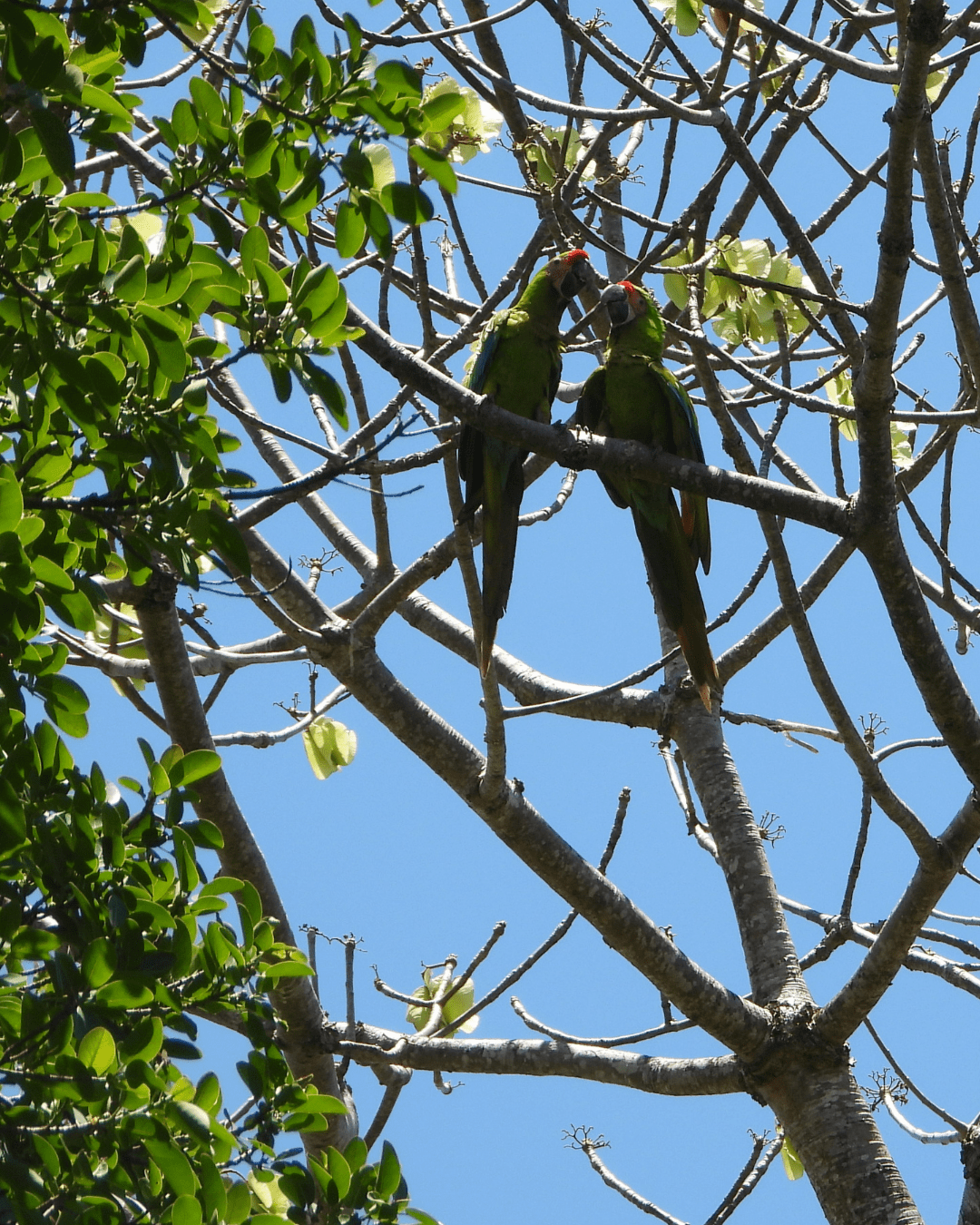
For Great Green Macaws, finding a safe place to raise their young is becoming increasingly difficult.
These critically endangered parrots depend on large natural cavities in mature trees to nest, but decades of deforestation and habitat loss have dramatically reduced the availability of suitable nesting sites across much of their range. Competition for the remaining hollows is high, and many of the trees still suitable for nesting tower more than 30 metres above the forest floor.
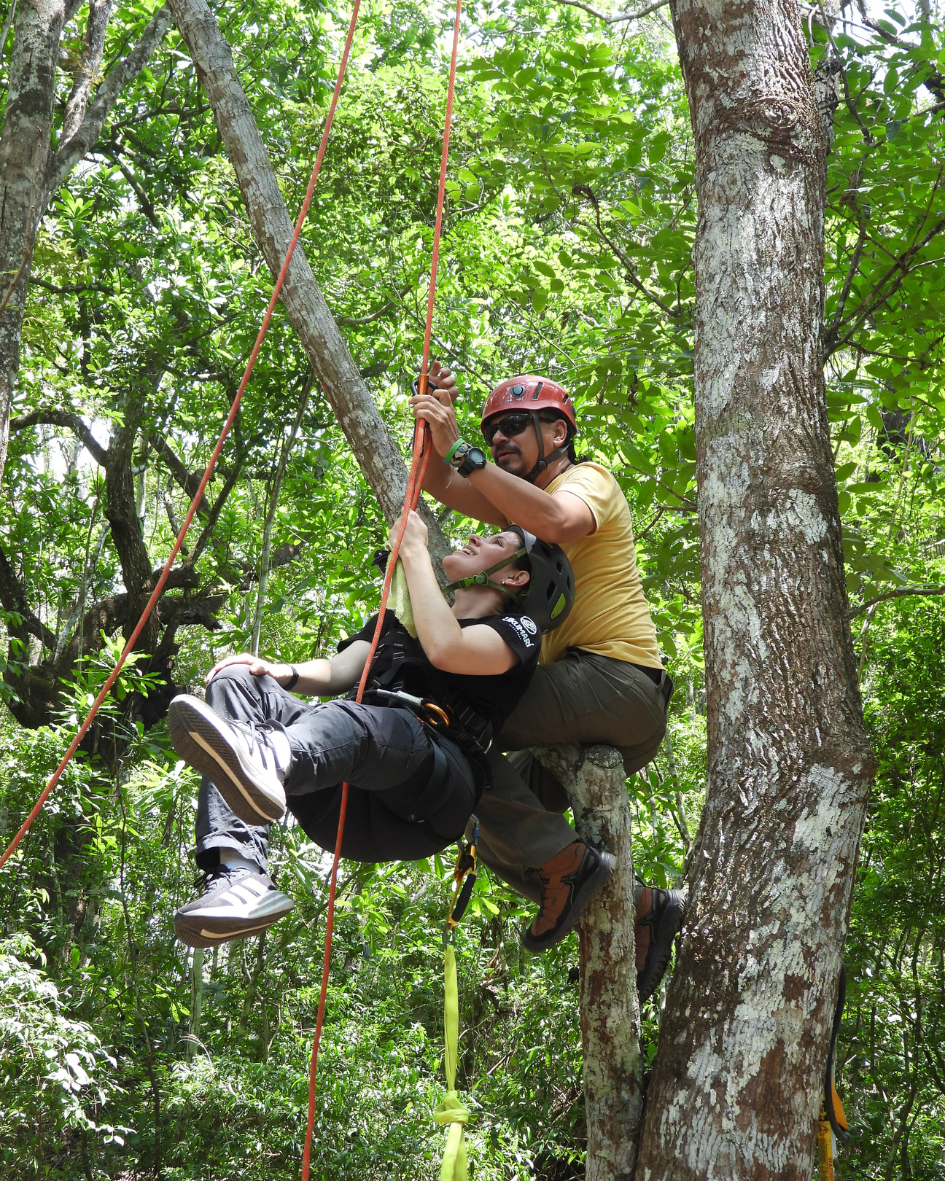
For conservation teams working to protect the species, safely accessing these nests is a vital part of the job. Nest monitoring, chick health checks, and the installation of artificial nest boxes all require specialist climbing skills, practical experience, and careful coordination in challenging field conditions.
Artificial nest boxes have become an increasingly important conservation tool for the species, helping supplement the shortage of natural nesting cavities. But even these need to be installed in locations the macaws deem suitable, often high in large trees similar to those they would naturally select for nesting.
For decades, the World Parrot Trust has worked alongside conservation partners around the world to protect parrots in the wild, supporting everything from nest protection and habitat restoration to community-led conservation and species recovery programmes. A key part of this work is sharing practical field experience and supporting the people already working on the ground to protect these species every day.
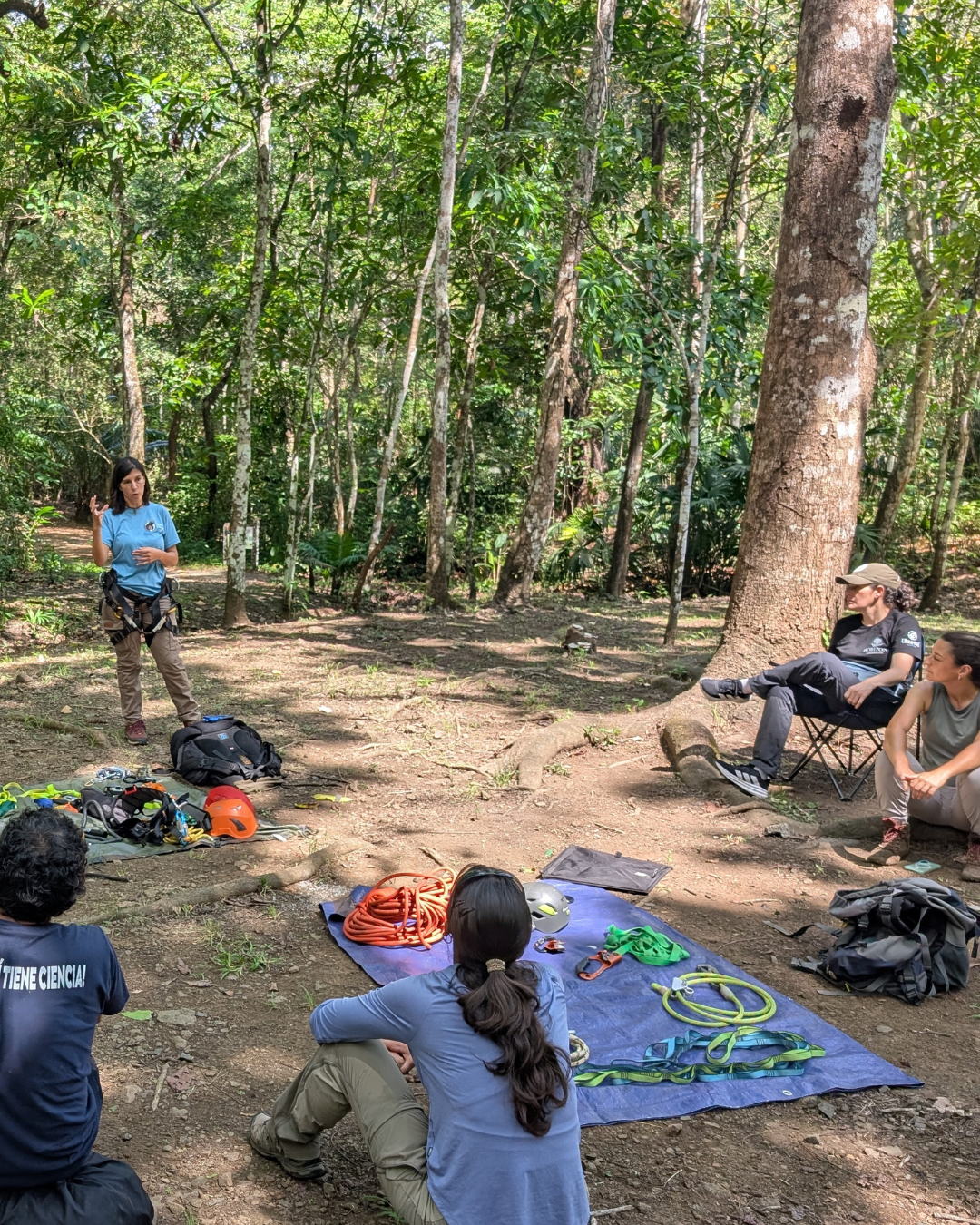
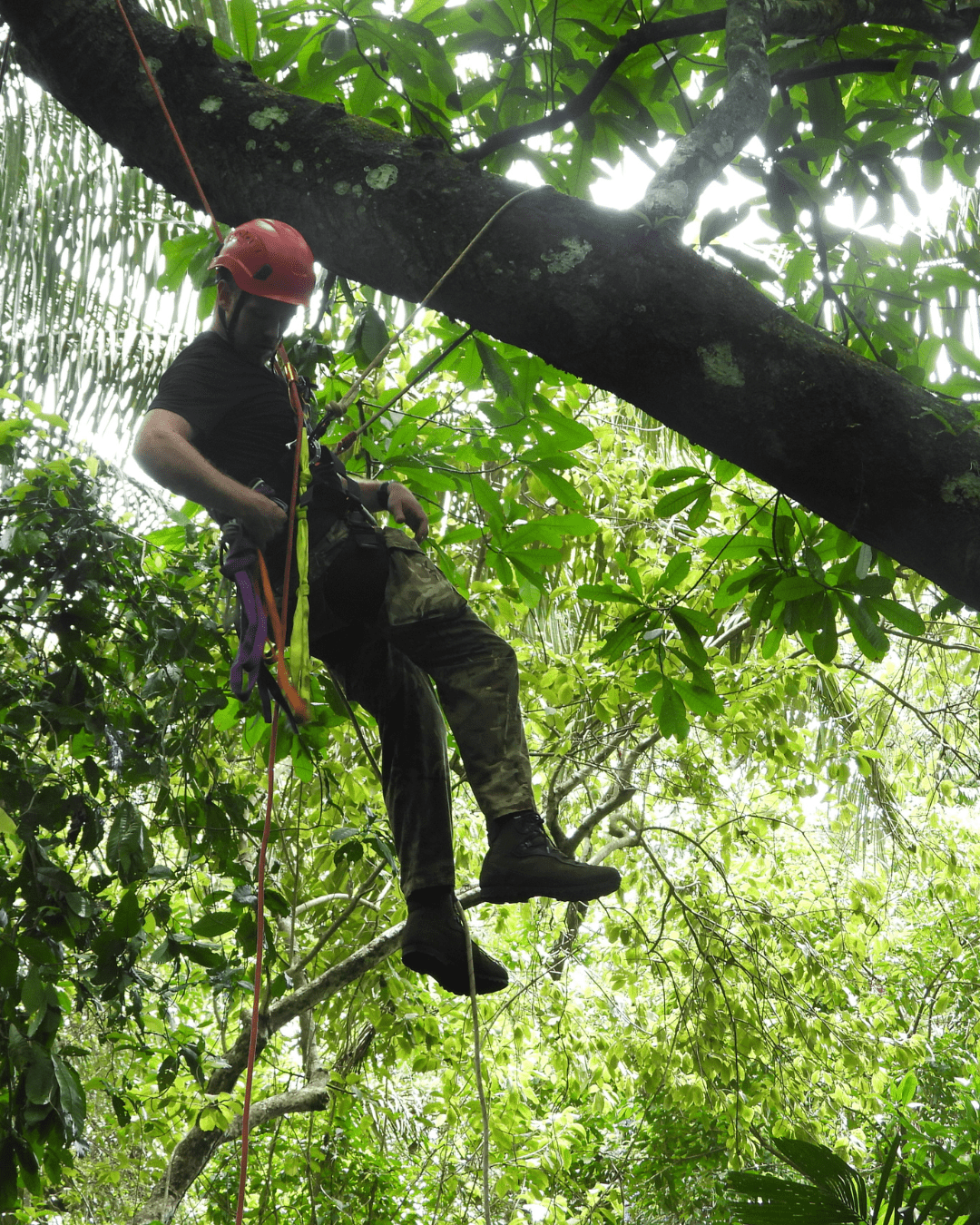
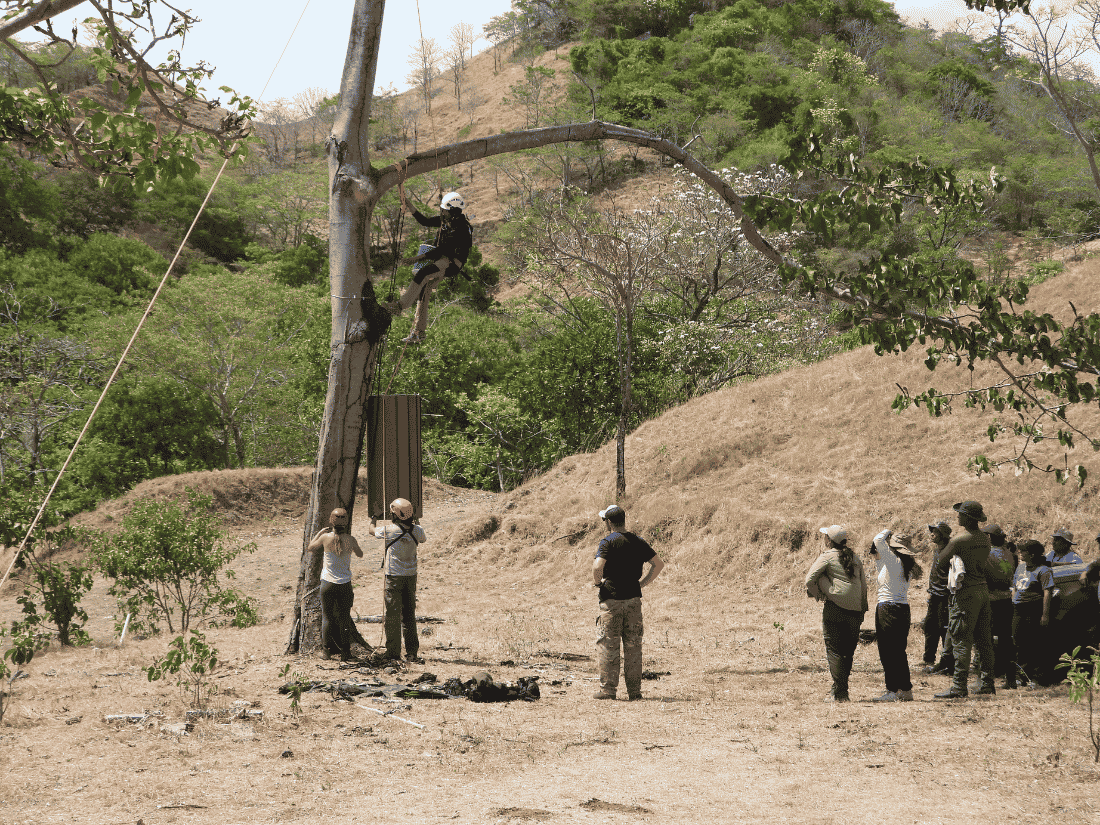
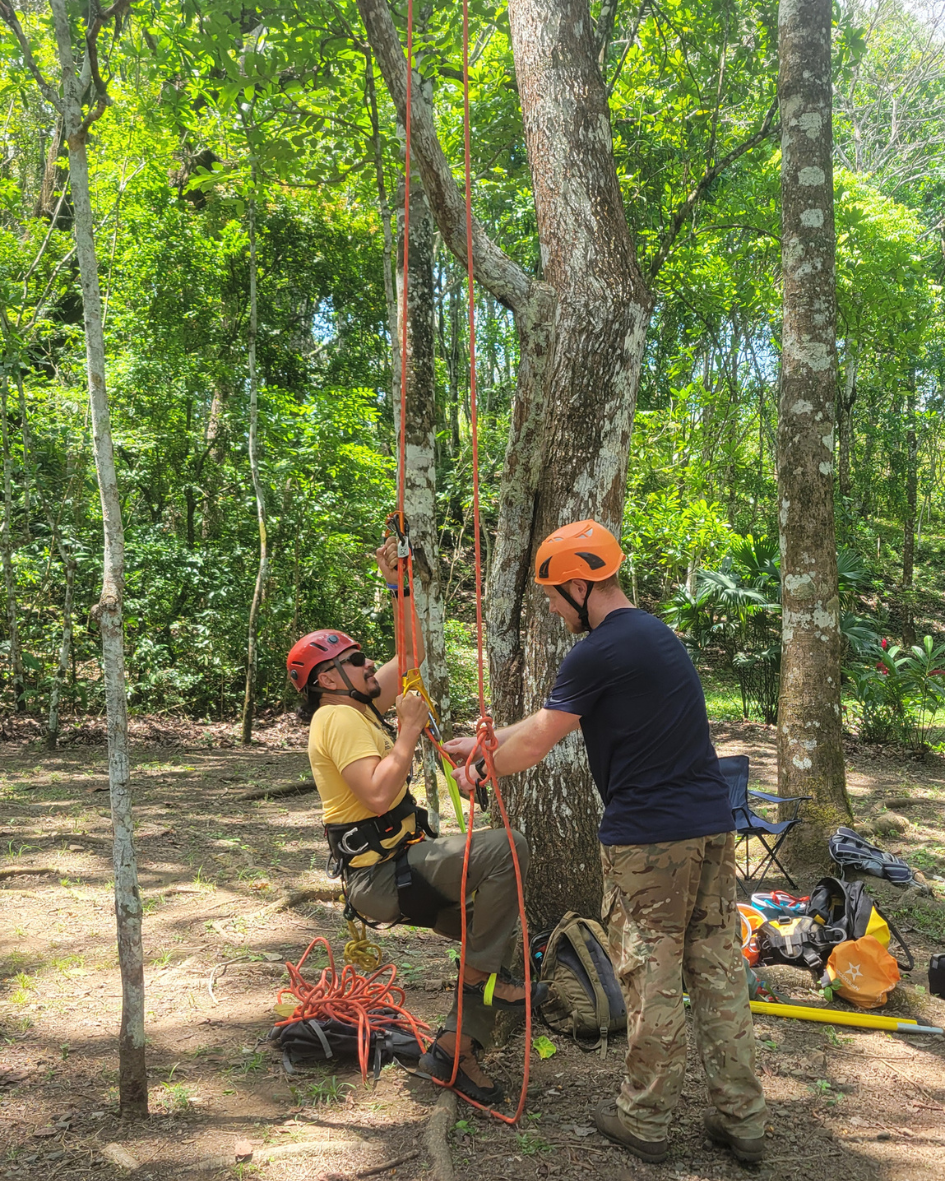
In April, WPT’s Neotropics Regional Director, Jack Haines, and Yellow-naped Amazon Coordinator, Dr Noelia Volpe, in collaboration with Panama Wildlife Conservation, led a field-based climbing and nest management workshop in Panama. The workshop brought together conservation teams from across the neotropics to build on the specialist techniques needed to safely monitor nests, install artificial nest boxes, and support Great Green Macaw conservation in the field.
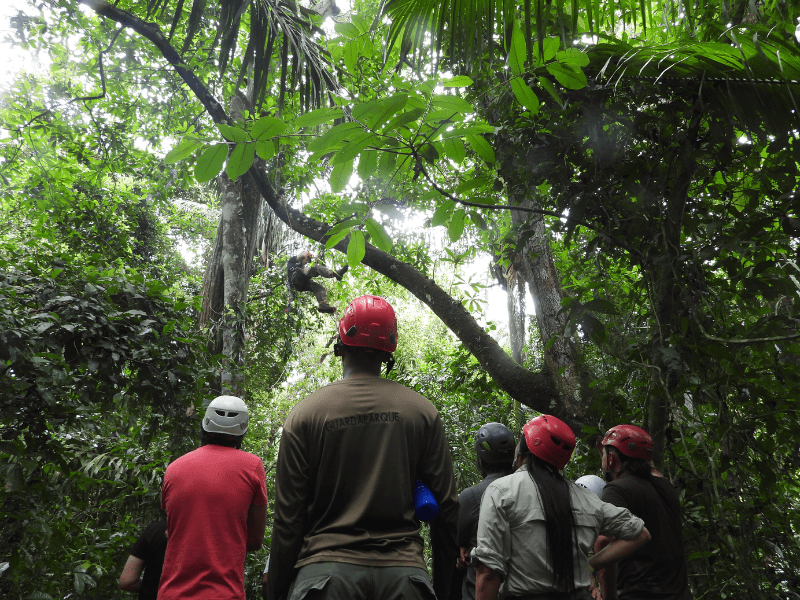
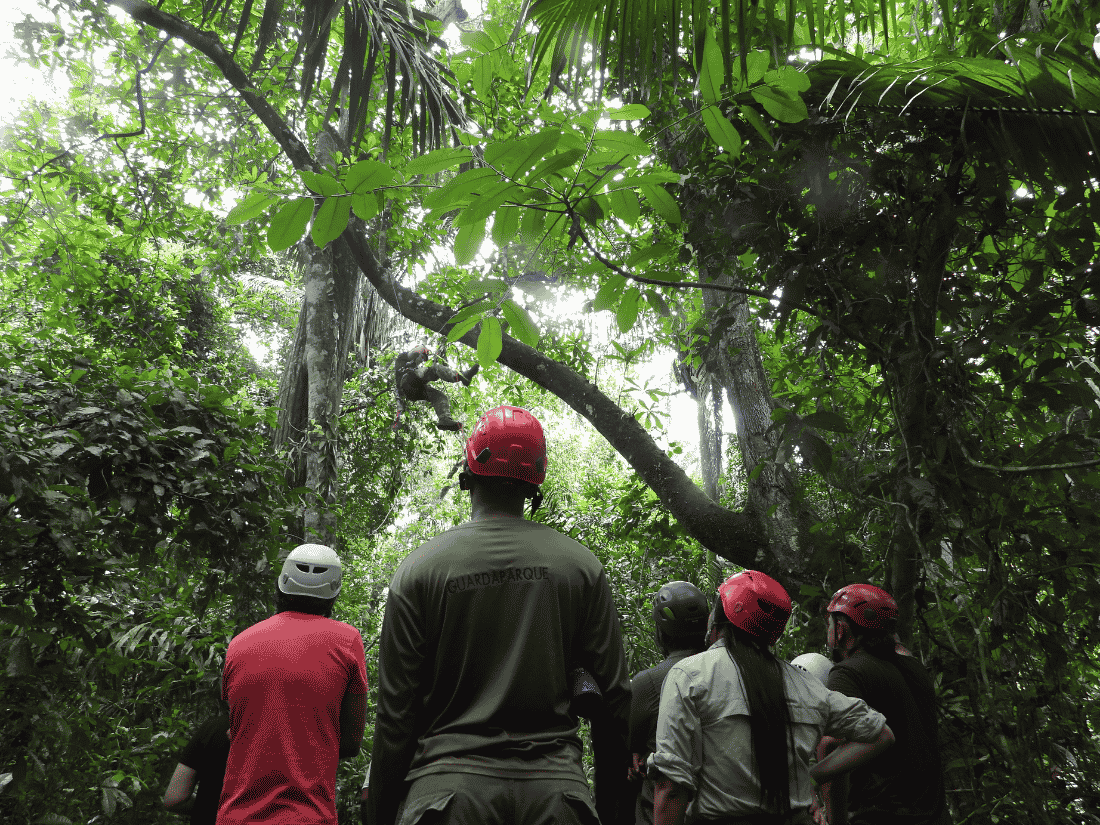
The workshop began in Parque Nacional Camino de Cruces in Panama City, where participants spent several days developing the foundations of safe canopy access. Training focused on climbing systems, rope techniques, rescue procedures, and the correct use and maintenance of specialist equipment, all essential for safely working high in the forest canopy.
The second phase of the workshop took place in Cambutal, where participants applied these techniques in real-world field conditions at active Great Green Macaw nests. Here, the focus shifted from training scenarios to practical conservation work: accessing natural nest cavities, assessing nest conditions, monitoring breeding activity, and safely handling chicks during health checks. Participants also worked on the installation and maintenance of artificial nest boxes, an increasingly important tool for supporting breeding success where natural hollows are limited.
The workshop was designed as a practical opportunity for people already involved in conservation work to build confidence, refine techniques, and learn directly from real field situations. Bringing together different teams also created an opportunity to share experiences from the field, discuss challenges, and learn from the different approaches being used to protect parrots across Latin America.
Participants highlighted both the technical and personal value of the experience:
“It has been an extremely enriching experience, both professionally and personally. The workshop not only allowed me to acquire new technical knowledge and practical skills in climbing, installing, and monitoring artificial nests—essential for the development of psittacine conservation and reintroduction projects—but it also strengthened the exchange of experiences among professionals in the region. Furthermore, I especially value the opportunity to have created and consolidated relationships with highly committed and passionate individuals dedicated to conservation, which opens the door to future collaborations and the strengthening of working networks in Latin America.”
Isabelle Beuret, Summit
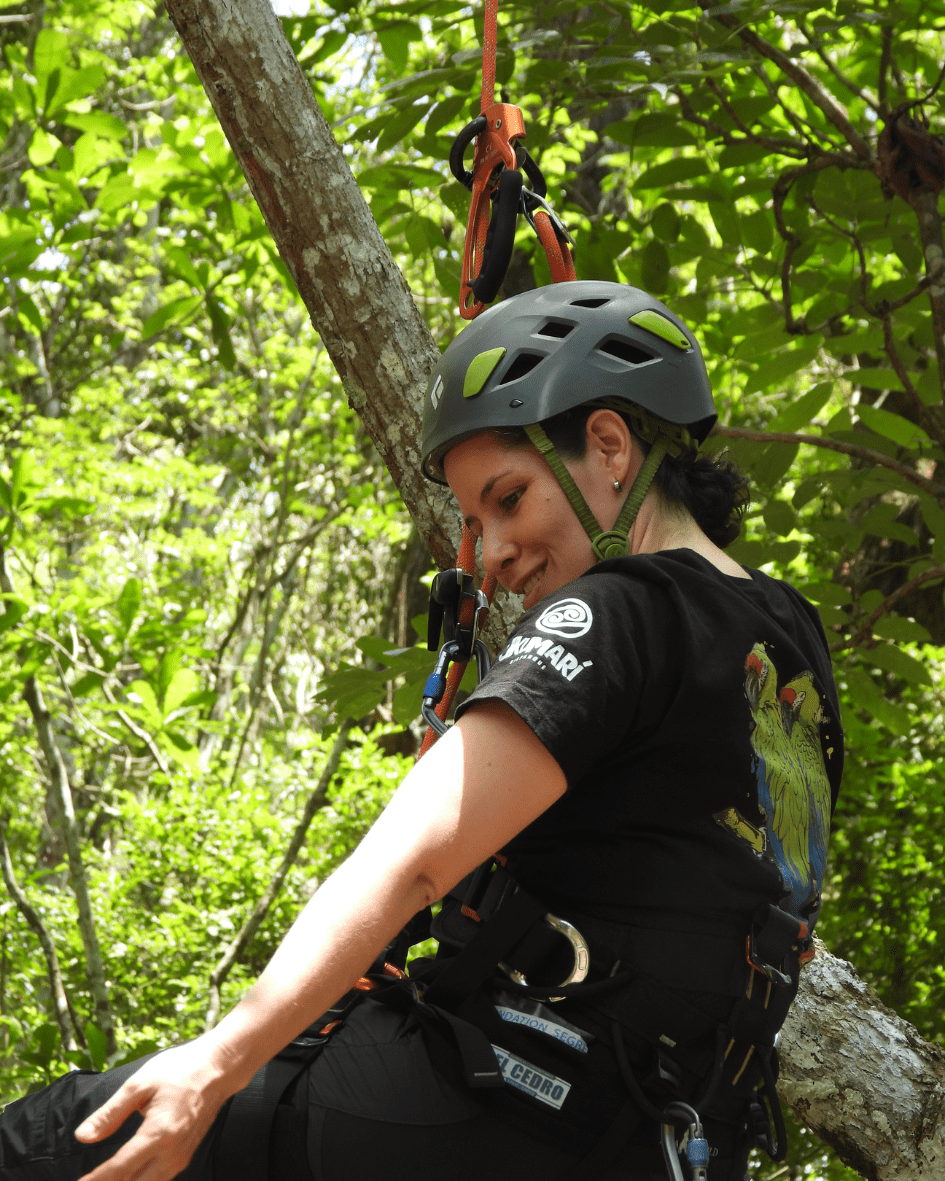
“Thanks to the tree climbing and nest management course provided by WPT, we will be able to continue strengthening our work and advance in the conservation of the Great Green Macaw (Ara ambiguus) in the Colombian Chocó.”
Monica Franco Gutierrez, Director, Horizon Conservation
As threats to nesting habitat continue across the Great Green Macaw’s range, the ability to safely monitor nests, support breeding pairs, and install artificial nest boxes will remain an important part of conservation efforts for the species.
The impact of workshops like this extends far beyond a single site or species. While the focus in Panama was the Great Green Macaw, the techniques developed are transferable across a wide range of parrot conservation and cavity-nesting bird projects throughout Latin America and beyond.
Special thank you to all participating organisations and partners: Panama Wildlife Conservation, Green Island Challenge, Horizon Conservation, Summit, Fundación ProAves de Colombia, Ministerio de Ambiente de Panamá, Coiba